Protect the world’s peace. Donate to support Ukraine

17 Best Books About Finding Forgiveness and Inner Peace

Best Books on Forgiveness and Inner Peace

Forgiveness or resentment: which choice is better for you? Why do people say that forgiveness is a choice? Is it possible to forgive when emotions are running high? This list of the best books on forgiveness can help you find answers to these questions and more. Find inner peace with recommendations from the best authors and psychologists.

First of all, forgiveness is necessary for your emotional and physical health. It allows you to let go of anger and resentment, become happier and more optimistic, and improve your relationships with others. For believers, it can also strengthen their relationship with God. 

Forgiveness allows you to free yourself from painful experiences, reduce negative emotions, and move forward despite past hurts or conflicts. Emotional pain is a natural reaction to unfair treatment. Forgiveness will help calm that internal surge of emotions. 

Learning to forgive is very difficult, but possible. Why does it matter? There is no need to waste life on trifles, hatred, or envy. Life is beautiful and offers many horizons. Forgiveness is the first step to happiness, while holding grudges can destroy your inner harmony and quality of life.

Love is always connected with forgiveness. But love isn't just a feeling. It's an effort that pushes you to keep living and moving forward.

Books about forgiveness

Forgiveness is an act of kindness and a way to release the burden of negative emotions. Holding grudges can lead to ongoing stress and reduced productivity.

Books about forgiveness help you become more sensitive and ready to cooperate, which can significantly improve both professional and personal life. In everyday life, this means that you can cope with challenges better and maintain inner peace.

Books on forgiveness cover both the spiritual and psychological aspects. Popular titles include Colin Tipping's 'Radical Forgiveness,' which offers a spiritual approach to changing your life by rethinking the past. Sacred texts, such as the Bible, are also important sources, as they contain instructions on forgiving others and forgiving your mistakes.

Gain insightful ideas for growing spiritually and psychologically from this list of books about forgiveness!

Find your next read with a short quiz

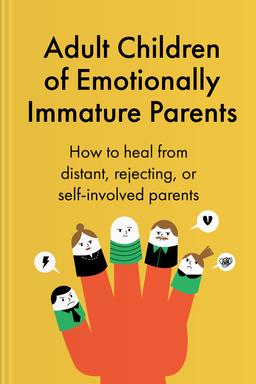
What is Adult Children of Emotionally Immature Parents about?

This insightful guide explores the emotional impact of having immature parents, helping adult children recognize patterns of neglect and self-centeredness. It offers tools for healing and developing healthier relationships by addressing past wounds. The author provides frameworks for understanding emotional maturity, practical strategies for coping, and steps to foster personal growth, empowering readers to break free from the emotional limitations imposed by their upbringing.

Who should read Adult Children of Emotionally Immature Parents

  • Adults seeking to understand their childhood experiences.
  • Those navigating relationships with emotionally immature parents.
  • Individuals looking for healing and personal growth strategies.
book

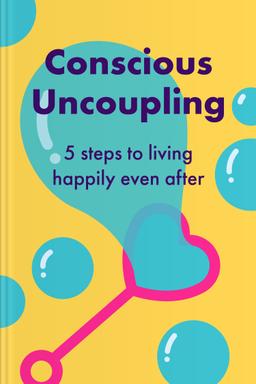
Conscious Uncoupling

by Katherine Woodward Thomas

What is Conscious Uncoupling about?

This book offers a compassionate approach to the end of a romantic relationship, providing a framework for healing and personal growth. Through five transformative steps, readers learn how to navigate the emotional landscape of separation, foster positive communication, and ultimately create a fulfilling life post-relationship. It emphasizes self-awareness and emotional resilience, guiding individuals towards a peaceful transition and encouraging them to embrace new beginnings.

Who should read Conscious Uncoupling

  • Individuals navigating a difficult breakup
  • Therapists seeking a holistic approach for clients
  • People interested in personal growth and emotional resilience
book

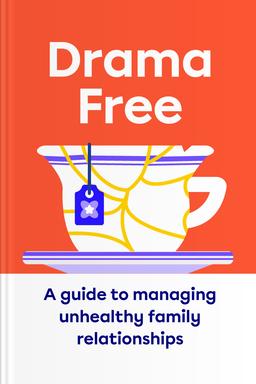
Drama Free

by Nedra Glover Tawwab

What is Drama Free about?

This insightful guide provides practical strategies for navigating and managing toxic family dynamics. It emphasizes the importance of setting boundaries and fosters healthy communication to cultivate stronger relationships. By addressing common issues like manipulation and emotional turmoil, it empowers readers to reclaim their peace and develop a drama-free life. The book blends personal anecdotes with actionable advice, making it a valuable resource for anyone seeking healthier family interactions.

Who should read Drama Free

  • Individuals seeking to improve family dynamics
  • Those wanting to establish healthy boundaries
  • Readers struggling with family conflict resolution
book

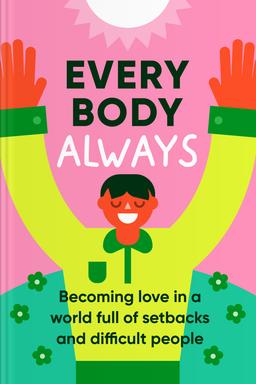
What is Everybody Always about?

This transformative guide explores the power of love in overcoming life's challenges and dealing with difficult individuals. Through personal stories and heartfelt insights, the author encourages readers to embrace unconditional love and compassion, emphasizing that authentic connections can change the world. The book invites us to pursue a life characterized by kindness and forgiveness, proving that loving others—regardless of circumstances—can lead to true fulfillment.

Who should read Everybody Always

  • People seeking personal growth and self-improvement.
  • Individuals struggling with forgiveness and compassion.
  • Readers interested in building meaningful relationships.
book

Get the Guy

by Matthew Hussey

What is Get the Guy about?

This insightful guide delves into the male psyche, offering practical advice and strategies for women seeking meaningful connections. It explores common dating challenges, breaking down misconceptions about relationships. With engaging anecdotes and actionable tips, it empowers readers to attract the right partner while boosting their confidence. This book serves as a roadmap to understanding love dynamics and achieving lasting romantic success.

Who should read Get the Guy

  • Singles seeking to understand men better
  • Women looking for love advice and strategies
  • Those interested in self-improvement and dating tips
book

Frequently asked questions about books on forgiveness

What are the best books on forgiveness?

These titles include: 

  • 'Radical Forgiveness' by Colin Tipping — offers a spiritual approach to overcoming life's difficulties.

  • 'The Anatomy of Peace' by the Arbinger Institute — explains how to resolve conflicts and improve relationships among people.

'The Book of Forgiving' by Archbishop Desmond Tutu and his daughter, Mpho Tutu — shares the art of forgiveness that helps us heal and change our lives.

Which books talk about forgiveness?

The Bible, specifically the New Testament, addresses how Jesus Christ teaches about the necessity to forgive.

Other noteworthy books include 'Radical Forgiveness' by Colin Tipping, which offers a spiritual path to freedom from past suffering, and 'How Can I Forgive You?' by Janis Spring, PhD, which provides a clinical psychologist's perspective based on 45 years of experience.

What should I read for forgiveness?

The Bible, especially the Gospels and Psalms, contains many prayers of forgiveness and purification of the heart (like in Psalm 51). In Muslim tradition, forgiveness holds a central place since Allah's most revered attribute is Al-Ghafur (the Forgiving), as seen in Sura 24 and 42. 'The Book of Forgiving' also explores how forgiveness can heal both individuals and nations.

What are the 4 stages of forgiveness?

The four stages of forgiveness are:

  1. Uncovering: You experience shock and anger. Recognizing these feelings is essential.

  2. Deciding: You make a conscious decision to forgive the offender.

  3. Working: You actively process the hurt that was caused. This step happens through reflection and reviewing the situation.

  4. Deepening: You realize you've gained new understanding, strength, and healing.

What are the 4 kinds of forgiveness?

There are a few ways to classify types of forgiveness. Still, people often distinguish between Self-forgiveness, Forgiveness of others, Forgiveness of God (or a higher power), and Forgiveness through a changed perspective. The last point involves rethinking the situation and letting go of the past to move on.

What are the 4Rs of forgiveness?

The 4Rs, or the 4R model, involves four key steps for forgiveness: 

Recall: Recognize and honestly acknowledge the hurt or offense.

Relieve: Allow yourself to experience your emotions, like anger, sadness, and disappointment.

Reflect: Think about the situation, the offender's motivation, and the consequences for yourself.

Release: Consciously let go of the hurt and the inner need for revenge.

How do I learn how to forgive?

Forgiveness does not mean forgetting or accepting what happened; it primarily frees you from pain and anger. Remember, forgiveness is for your own peace, not to justify someone else. Think about why that person might have acted the way they did. Give yourself permission to feel your emotions (anger, sadness, disappointment). This process might take time for you, and that's okay.