Protect the world’s peace. Donate to support Ukraine

8 Best Manipulation Books to Read Minds (Sort Of)

In a world ruled by open data, cloud storage, and user-driven agendas, making your words count has become a true art. The books on manipulation listed below reveal the extent to which influence and deception truly work — from subtle data tricks to emotional nudges in relationships. 

Drawing on books by experts like Robert Cialdini ('Influence') and David J. Lieberman ('You Can Read Anyone'), you'll learn to spot the telltale signs of manipulators and handle them confidently in everyday life. Strengthen your mind, set healthy boundaries, and turn your knowledge into a protective buffer that keeps you safe at all times.

Start building your psychological defense with this game-changing reading list, and use the Headway app to refine your skills further. See how you can spot bias, resist pressure, and hone your critical thinking — all while getting your point across with confidence.

Books on manipulation to gain a strategic advantage

Understanding how influence works is the first step to managing it. This part of the reading list examines the complex and sometimes frustrating ways persuasion manifests, and how it can shift from forming genuine connections to overt manipulation.

Robert Cialdini's research shows that persuasion, when used the right way, can build mutual trust and help people work together. But as Robert Greene highlights in 'The 48 Laws of Power,' those same techniques can be used to manipulate others for personal gain. Greene's work is a sharp reminder that understanding influence is a superpower — and with it comes the choice of how to use it:

"The best deceivers do everything they can to cloak their roguish qualities… Honesty is merely another decoy in their arsenal..."

Once you start spotting these tactics, such as coercion, guilt-tripping, and the silent treatment, you might suddenly realize your coworker isn't "just passionate" about their idea after all. (Don't worry, we've all been there.)

These books on manipulation don't turn you into a cynic; they turn you into a strategist. They help you move from vague unease to sharp awareness, so the next time someone tries to "influence" you, you'll see the playbook coming from a mile away. And that's when your smile spreads, because now you know exactly what's happening.

Books about manipulation: Psychological weapons of attack and defense

Understanding manipulation isn't about becoming suspicious of everyone — it's about seeing the patterns that most people miss. To defend against coercive control, we ought to look beyond strategy and into psychology — where emotion and fear often replace logic. Susan Forward's 'Emotional Blackmail' reveals how manipulators weaponize love, obligation, and guilt to get their way:

"Blackmailers never hesitate to put our sense of obligation to the test… They may even use reinforcements from… social traditions to emphasize how… their targets should feel indebted."

Manipulation often follows a familiar pattern. It usually starts with charm — the Appeal Phase — where the manipulator finds your weak spots and tries to win you over. Next comes the Bully Phase, when they use shame or pressure to wear you down emotionally. Finally, if they feel they're losing control, they might enter the Rage Phase. 

By learning to spot these phases early, you can protect yourself and respond with confidence before the cycle takes hold. 

Suppose you keep books about manipulation by your bedside and study them, one chapter at a time. In that case, they can become your mental glasses with a special filter that helps you spot red flags, such as guilt-tripping, insincere flattery, or words that rarely match a person's actions.

By understanding these psychological patterns, you can create boundaries that aren't walls to keep people out, but gates you control — letting in what's healthy and keeping out what's harmful.

Top books among Headway users

Find your next read with a short quiz

All the best books on topic

Calling Bullshit

by Carl T. Bergstrom, Jevin D. West

What is Calling Bullshit about?

This book explores the pervasive nature of misinformation in our data-driven society, equipping readers with critical thinking tools to discern fact from falsehood. By blending scientific principles with real-world examples, it teaches how to identify and counter bullshit, promoting a more informed and skeptical approach to the information we encounter daily.

Who should read Calling Bullshit

  • Critical thinkers and skeptics looking for analytical skills.
  • Students studying data science and critical reasoning techniques.
  • Professionals navigating misinformation in today’s information age.
book

Emotional Blackmail

by Susan Forward, PhD, with Donna Frazier

What is Emotional Blackmail about?

This insightful guide explores the manipulative tactics individuals use to control and coerce others through fear, obligation, and guilt. It offers practical strategies to identify emotional blackmail and empower the reader to break free from toxic relationships. By understanding the dynamics of emotional manipulation, individuals can foster healthier interactions and reclaim their emotional well-being, ultimately learning to assert themselves and establish clear boundaries.

Who should read Emotional Blackmail

  • Individuals in toxic relationships seeking support.
  • Mental health professionals aiding clients with manipulation issues.
  • Readers interested in emotional intelligence and personal boundaries.
book

What is If You Tell about?

This gripping true crime narrative delves into the harrowing tale of two sisters bound by loyalty and love as they navigate a dark world of abuse, secrets, and eventual betrayal. Unraveling a chilling murder case tied to their own family, the book explores themes of resilience, courage, and the enduring connection between sisters faced with unimaginable horror. It’s a poignant exploration of the impact of familial ties amidst despair.

Who should read If You Tell

  • True crime enthusiasts seeking gripping narratives.
  • Readers interested in deep family dynamics and secrets.
  • Fans of emotional and resilient sisterhood stories.
book

What is Influence, New and Expanded about?

This insightful work delves into the psychology behind why people say "yes" and how to apply these understandings ethically. It outlines six key principles of persuasion, including reciprocity, commitment, social proof, authority, liking, and scarcity. With real-world examples and updated research, this expanded edition equips readers with the tools to enhance their influence in various aspects of life, from personal interactions to business negotiations.

Who should read Influence, New and Expanded

  • Marketers seeking to enhance persuasion techniques.
  • Sales professionals wanting to increase conversion rates.
  • Students studying psychology and human behavior.
book

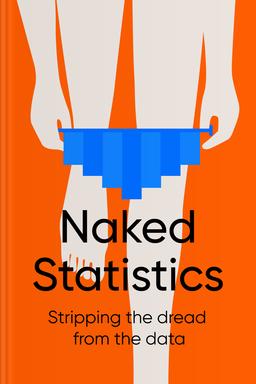
What is Naked Statistics about?

This engaging book demystifies statistics, presenting complex concepts in a relatable way. Through anecdotes and real-world examples, it reveals the power and utility of data in everyday life. Readers will learn to think critically about numbers and uncover the truth behind them, making statistics accessible and enjoyable. Emphasizing practical applications, it strips away the fear often associated with data, empowering readers to interpret the world through a statistical lens.

Who should read Naked Statistics

  • Students seeking to understand statistics intuitively.
  • Professionals needing data analysis for decision-making.
  • General readers interested in demystifying statistics.
book

Frequently asked questions about books on manipulation

What are the four types of manipulation?

Common manipulation uses tactics such as gaslighting to distort perception, love bombing to build false trust, reverse psychology to steer behavior, and triangulation to create rivalry. Recognizing these patterns — especially emotional abuse forms like the silent treatment — builds awareness and prevents self-doubt. The first step in self-protection is noticing the script before it plays out.

What are the five stages of manipulation?

Manipulators often follow a set pattern: charm (using sweet talk and studying), bully (exerting pressure and control), guilt-trip (employing emotional leverage), beg (regaining sympathy), and finally, rage (when control fails). Understanding this predictable rhythm helps you stay centered, spot escalation early, and break the cycle before it takes root.

How do I shut down a manipulator?

The best defense is a calm non-reaction. Don't feed drama — stay neutral, breathe, and respond with facts. Use clarifying questions to shift from emotion to logic. Keep boundaries firm but dry: "I'm not available for that." Over time, their tactics lose power when met with steady stillness and clear limits.

What are the six tactics of manipulation?

Six common manipulation tactics are charm, coercion, silent treatment, reason, regression, and debasement. Charm draws you in, while coercion and silent treatment punish resistance. Reason can be twisted to confuse or pressure you. Regression (acting helpless) and debasement (self-criticism) trigger guilt or pity. 

Learning these tactics helps you recognize manipulation before it pulls you into emotional traps.

What kind of personality do manipulators have?

People who manipulate others usually display traits usually ascribed to personality disorders, like Narcissistic, Borderline, or Antisocial tendencies. They can be charming, persuasive, and emotionally unpredictable, using fawning, blame shifting, or feigned vulnerability. Most of the time, it stems from deep insecurity, fear of being rejected, or a constant need for approval.