Self-growth
 Apps & Digital Tools
 Business & Career
 Success
 Growth Tools
 Psychology
 Communication
 Relationships
All the best books on topic
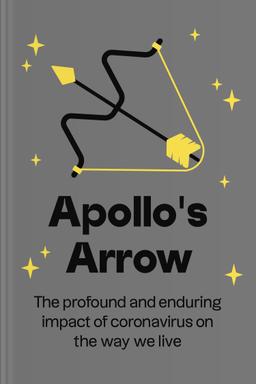
What is Apollo's Arrow about?
This insightful exploration delves into the far-reaching effects of the coronavirus pandemic on society, culture, and human behavior. Drawing on history, sociology, and epidemiology, it examines how the virus reshapes social interactions, governance, and our collective psyche. Through compelling analysis, it reveals the enduring changes that may redefine our lives long after the pandemic subsides, urging readers to reconsider the future of human connection and community.
Who should read Apollo's Arrow
- Public health professionals seeking deeper insights.
- Students of sociology and public health.
- General readers interested in pandemic effects.
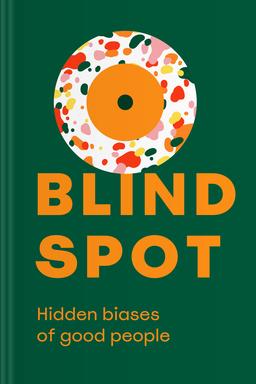
What is Blindspot about?
This insightful exploration delves into the hidden biases that affect our thoughts and actions, often without our awareness. Through compelling research and engaging anecdotes, the authors reveal how these biases influence judgements, decisions, and interactions in various facets of life. By uncovering these unconscious influences, readers can gain awareness and actively work towards overcoming prejudices, fostering a more equitable society.
Who should read Blindspot
- Psychology enthusiasts seeking to understand biases.
- Educators looking to promote inclusivity in schools.
- Corporate leaders aiming to improve workplace diversity.
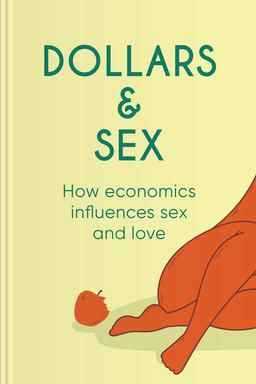
What is Dollars and Sex about?
This engaging exploration combines economics with human relationships, revealing how financial factors shape our experiences of love and sex. Through captivating anecdotes and research, it highlights the interplay between economic conditions and romantic choices, unpacking themes like desire, gender roles, and market influences on relationships. The book challenges traditional views by presenting love as not just an emotional experience but also an economic one.
Who should read Dollars and Sex
- Economics enthusiasts exploring love and relationships
- Students studying sociology and gender dynamics
- Readers interested in sex education and economic theory
What is Factfulness about?
This insightful book challenges common misconceptions about global trends, revealing how the world is improving in numerous ways. Through engaging data and compelling anecdotes, it explores ten biases that distort our understanding of reality, urging readers to adopt a fact-based worldview. By highlighting progress in health, poverty, and education, it inspires optimism and encourages a clearer perspective on global issues.
Who should read Factfulness
- Data enthusiasts seeking a more accurate worldview.
- Students and educators needing facts over misconceptions.
- Anyone wanting a positive perspective on global progress.

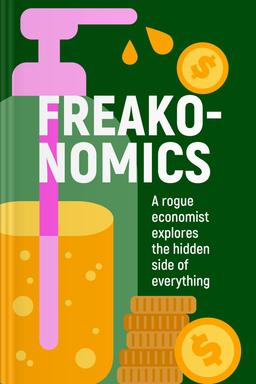
What is Freakonomics about?
This book delves into the unconventional intersections of economics and everyday life, revealing surprising insights about human behavior and societal trends. Through thought-provoking examples, it challenges conventional wisdom and explores how incentives shape decisions and outcomes. The authors use data analysis to uncover the hidden connections behind various phenomena, making complex ideas accessible and engaging for readers who are curious about the underlying factors that drive our choices.
Who should read Freakonomics
- Fans of economics and unconventional thinking.
- Readers curious about societal behavior and hidden incentives.
- Anyone interested in applying statistics to everyday life.