russia has launched a full-scale war in Ukraine. Donate to support Ukraine and protect the world’s peace.

19 Best Diet Books for Achieving Your Fitness Goals

You've tried cutting carbs, skipping meals, and following influencers who swear by detox teas. Yet here you are, still googling "why am I not losing weight?" Here's the truth: most diet advice is either overly complicated or simply incorrect. 

The best diet books cut through the noise with science-backed strategies that actually work. Authors like Dr. Michael Greger in 'How Not to Diet' and Dr. Mark Hyman in 'Food' prove that sustainable weight loss isn't about willpower — it's about understanding how your body responds to different foods. These 19 books will teach you to eat smarter, not less.

Diet books to transform your eating habits

Reading the best diet books gives you something fad diets never will: knowledge that lasts beyond the next meal plan. You learn why your body stores fat, how different foods affect your hormones, and what actually happens when you eat that donut (spoiler: it's not just "bad").

Take T. Colin Campbell's 'The China Study.' This massive research project tracked health outcomes across rural China and found that plant-based diets significantly reduced the incidence of chronic disease. Or consider Dr. Robert Lustig's 'Fat Chance,' which exposes how sugar hijacks your brain chemistry. These aren't opinions from someone's Instagram — they're decades of scientific research you can actually use.

The best part? You stop falling for marketing gimmicks. When you understand nutrition at a deeper level, you see through "low-fat" labels and "metabolism-boosting" supplements. 

Dr. Michael Mosley's 'The Fast Diet' explains intermittent fasting with actual clinical data, not testimonials from people who also started CrossFit and quit drinking. You make choices based on how food works in your body, not because someone on TikTok said so.

Best diet books that make healthy eating simple

Books on diet simplify what the wellness industry deliberately complicates. These authors take complex biochemistry and turn it into meals you can cook on a Tuesday night after work.

'Food' by Dr. Mark Hyman details exactly which foods reduce inflammation, and which foods promote it, without the vague charge of "eating clean," but connects the food you eat to how you feel. Hyman answers questions like why some individuals do well on high-fat diets while some need more carbohydrates. Individualized nutrition doesn't require expensive testing or people for consultations.

The key is practical application. These book picks don't just tell you what to eat — they explain why your past diets failed. 'How Not to Diet' by Dr. Michael Greger reviews thousands of weight-loss studies to identify what actually moves the scale. Turns out, meal timing matters. Food volume matters. Even the order you eat your vegetables matters. Minor tweaks, backed by research, that add up to real results.

You'll also learn to navigate real life. The best diet books acknowledge that you'll eat birthday cake and drink wine with friends. They teach you how to bounce back without spiraling into guilt or giving up entirely. That's the difference between a diet book and a lifestyle guide — one assumes perfection, the other assumes you're human.

The China Study

by T. Colin Campbell, Ph.D. and Thomas M. Campbell II

What is The China Study about?

This groundbreaking work explores the profound connection between diet and health, revealing the effects of nutrition on disease prevention and longevity. Based on an extensive study conducted in rural China, it advocates for a whole-food, plant-based diet as a means to combat chronic illnesses. The authors challenge conventional wisdom surrounding meat and dairy consumption, presenting compelling evidence that supports healthier lifestyle choices for improved well-being.

Who should read The China Study

Health-conscious individuals seeking dietary guidance.
Nutritionists and dietitians looking for scientific evidence.
Anyone interested in plant-based lifestyles and longevity.

The New Atkins for a New You

by Eric C. Westman, MD, Stephen D. Phinney, MD, Jeff S. Volek, PhD

What is The New Atkins for a New You about?

This book presents a modern take on the Atkins diet, focusing on low-carbohydrate, high-fat eating. It offers practical strategies for sustainable weight loss and improved health, backed by scientific research. It includes meal plans, recipes, and tips to help readers shift their lifestyle while managing cravings and enhancing metabolic health. The authors emphasize the importance of an individualized approach to dieting for long-term success.

Who should read The New Atkins for a New You

Individuals seeking effective weight loss solutions.
Health enthusiasts interested in low-carb diets.
People managing diabetes or metabolic syndrome.

Keto

by Maria Emmerich, Craig Emmerich

What is Keto about?

This comprehensive guide offers a thorough exploration of the ketogenic diet, blending scientific insights with practical advice. Readers will find simplified explanations of keto principles alongside easy-to-follow, no-cook meal plans designed to promote weight loss and health. With tips on meal prepping, shopping lists, and delicious recipes, this book is an essential resource for anyone looking to successfully adopt the keto lifestyle.

Who should read Keto

Health-conscious individuals seeking effective weight loss solutions.
Busy professionals looking for quick, healthy meal ideas.
Fitness enthusiasts wanting to deepen their understanding of keto.

The Whole 30

by Melissa Hartwig, Dallas Hartwig

What is The Whole 30 about?

This transformative guide offers a 30-day dietary reset focused on eliminating inflammation, cravings, and unhealthy relationships with food. By following a structured plan that emphasizes whole, unprocessed foods, readers can discover food sensitivities and develop lasting healthy habits. With recipes, tips, and testimonials, it empowers individuals to reclaim their nutritional health and achieve food freedom, ultimately leading to improved well-being and lifestyle choices.

Who should read The Whole 30

Health-conscious individuals seeking dietary change.
Food enthusiasts wanting to explore clean eating.
People struggling with unhealthy eating habits.

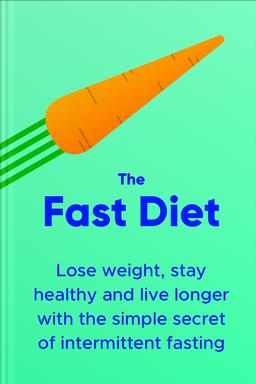
The Fast Diet

by Dr. Michael Mosley, Mimi Spencer

What is The Fast Diet about?

This book introduces the concept of intermittent fasting as a revolutionary weight loss method. It outlines the health benefits of a fast-paced lifestyle, combining fasting with eating plans that are simple to follow. The authors share practical advice, meal ideas, and scientific insights that demonstrate how periodic fasting can lead to significant weight loss and improved overall health, making it an accessible guide for healthier living.

Who should read The Fast Diet

Health-conscious individuals seeking effective weight management.
Busy professionals looking for a flexible dieting approach.
Readers interested in longevity and wellness strategies.

How Not to Die

by Michael Greger, Gene Stone

What is How Not to Die about?

This book explores the impact of diet on health, revealing how certain foods can prevent and even reverse chronic diseases. With a focus on scientific evidence, it provides practical advice and strategies for incorporating nutrient-dense, plant-based foods into daily life. Readers are guided on making informed dietary choices to enhance their well-being and longevity, emphasizing the importance of nutrition in disease prevention.

Who should read How Not to Die

Health-conscious individuals seeking preventative nutrition advice.
Anyone interested in reversing chronic diseases through diet.
Vegetarians and vegans looking for scientific food insights.

Food

by Mark Hyman, MD

What is Food about?

This book offers a straightforward approach to navigating the complex world of food choices. It debunks common myths and guides readers towards understanding what truly fuels optimal health and weight. With practical advice and actionable steps, the author emphasizes whole foods, balanced nutrition, and lifestyle changes. By addressing the confusion surrounding diet trends, the book empowers readers to make informed decisions for lifelong wellness.

Who should read Food

Health-conscious individuals seeking better nutrition choices.
Busy professionals wanting quick and effective meal guidance.
Anyone struggling with weight management and food decisions.

You Can Drop It!

by Ilana Muhlstein, MS

What is You Can Drop It! about?

This empowering guide shares the author's personal journey of losing 100 pounds without sacrificing the pleasures of food, such as carbs, cocktails, and chocolate. With practical advice and a positive mindset, readers will discover sustainable weight loss strategies that promote balance and enjoyment. Through relatable anecdotes and actionable tips, the book inspires readers to embrace a healthier lifestyle while still indulging in their favorite treats.

Who should read You Can Drop It!

Weight loss enthusiasts seeking a fun approach.
Health-conscious individuals wanting to enjoy life while dieting.
Readers looking for relatable success stories in weight loss.

The Low-Carb Fraud

by T. Colin Campbell, PhD, Howard Jacobson, PhD

What is The Low-Carb Fraud about?

This book critiques the low-carbohydrate diet craze, challenging its science and promoting a whole-food, plant-based approach to nutrition. The authors argue that dietary misinformation has led to widespread health issues and advocate for a balanced consumption of carbohydrates as essential for optimal health. Through evidence and analysis, they aim to debunk myths surrounding low-carb diets and encourage healthier eating habits.

Who should read The Low-Carb Fraud

Health-conscious individuals seeking dietary truth.
Fitness enthusiasts wanting effective nutrition guidance.
Skeptics of popular low-carb diet trends.

Life in the Fasting Lane

by Jason Fung, MD, Eve Mayer, Megan Ramos

What is Life in the Fasting Lane about?

This practical guide explores the principles of intermittent fasting, providing readers with insights on how to integrate it into their daily lives. With a focus on health benefits such as weight loss, improved metabolism, and better overall well-being, the authors offer tips, recipes, and motivational strategies. The book emphasizes lifestyle changes rather than quick fixes, encouraging a sustainable approach to fasting for lifelong health improvements.

Who should read Life in the Fasting Lane

Health enthusiasts seeking effective weight loss strategies.
Individuals interested in adopting intermittent fasting as a lifestyle.
Readers looking for practical health improvement tips.

Frequently asked questions on diet books

What is the best book to help you lose weight?

'How Not to Diet' by Michael Greger is a science-based guide to losing weight without dieting. The author explains how food, eating habits, and lifestyle affect weight, offering practical, research-based strategies for losing weight without resorting to starvation and maintaining long-term health.

What is the 30/30/30 rule for weight loss?

The 30-30-30 rule for weight loss suggests a meal structure of 30% protein, 30% fat, and 30% complex carbohydrates at each meal (the rest is fiber and water). This helps control appetite, maintain energy, and burn calories steadily, without crash diets or hunger.

What is the 2 2 2 rule for weight loss?

The 2-2-2 rule for weight loss involves fasting for two hours after waking up, engaging in two hours of physical activity per day, and drinking two liters of water daily. This simple approach helps control appetite, boost metabolism, and maintain water balance, creating the conditions for gradual and safe weight loss.

What is the most successful diet for weight loss?

The Mediterranean diet is considered one of the most successful for weight loss. This diet contains high quantities of vegetables, fruits, whole grains, fish, and olive oil, but limited processed foods and sugar. Research has shown that it can achieve sustainable weight loss and improve cardiovascular health, and provides the most benefits in the long term.

What is the 3-3-3 rule for weight loss?

Using the 3-3-3 rule for weight loss means eating three small meals per day, at least three portions of protein at each meal, and doing three minutes of active exercise after each meal. This will help you regulate hunger, preserve muscle mass, and get your digestive system moving towards achieving simple and healthy weight loss over time.