Self-growth
 Apps & Digital Tools
 Business & Career
 Success
 Growth Tools
 Psychology
 Communication
 Relationships
All the best books on topic
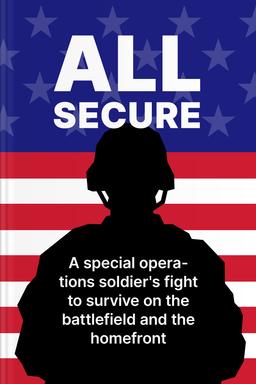
What is All Secure about?
This gripping memoir chronicles the harrowing experiences of a special operations soldier as he navigates the chaos of warfare and the challenges of reintegration into civilian life. Through intense battlefield encounters and the unseen scars of PTSD, it reveals the resilience required to overcome trauma, highlighting the struggles of veterans in their fight for healing and acceptance both on the frontlines and at home.
Who should read All Secure
- Military personnel seeking resilience strategies.
- Readers interested in true war stories.
- Veterans needing support after service.
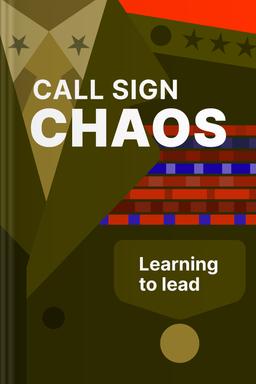
What is Call Sign Chaos about?
This book offers insights into leadership from a former U.S. Marine Corps General and a combat veteran. It intertwines personal anecdotes and military experiences to illustrate key leadership principles. Through real-world scenarios, the authors emphasize the importance of decisiveness, adaptability, and the value of teamwork. The narrative provides readers with valuable lessons applicable in both military and civilian life, showcasing the journey of making tough decisions under pressure.
Who should read Call Sign Chaos
- Military personnel and veterans seeking leadership insights.
- Business leaders aiming to enhance their leadership skills.
- Students of leadership and management in diverse fields.
What is Hiroshima about?
This powerful narrative recounts the harrowing experiences of six survivors from the atomic bombing of Hiroshima on August 6, 1945. Through their personal stories, the book vividly illustrates the immediate devastation and long-term impact of the bomb on individuals and the city. It serves as a poignant reminder of the human cost of war and the resilience of the human spirit in the face of unimaginable tragedy.
Who should read Hiroshima
- History enthusiasts seeking personal accounts of war.
- Students studying World War II and its impact.
- Readers interested in the human toll of nuclear warfare.

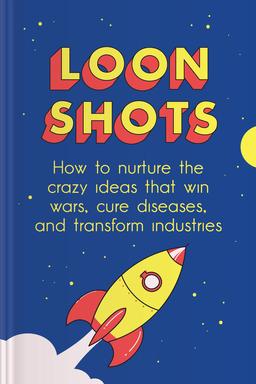
What is Loonshots about?
This book explores the concept of "loonshots"—wild and unconventional ideas that can lead to groundbreaking advancements. By examining historical examples and scientific insights, it reveals how nurturing these ideas within organizations can foster innovation. The author highlights the importance of balancing creative thinking with structured processes, showing how small adjustments in approach can unlock the potential for transformative breakthroughs across various fields, from medicine to technology.
Who should read Loonshots
- Entrepreneurs seeking innovative business strategies.
- Managers aiming to foster creativity within teams.
- Students studying innovation and leadership principles.
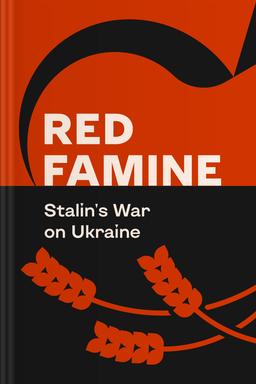
What is Red Famine about?
This gripping historical account explores the devastating man-made famine in Ukraine during the early 1930s, orchestrated by the Soviet regime under Stalin. It examines the political motives behind the famine, the suffering endured by millions, and the long-term impacts on Ukrainian society and identity. Through meticulous research and personal narratives, the book reveals a dark chapter of history marked by oppression, resilience, and the struggle for survival.
Who should read Red Famine
- History enthusiasts seeking to understand Soviet policies.
- Students studying 20th-century Eastern European history.
- Readers interested in human rights and governmental oppression.