Self-growth
 Business & Career
 Success
 Communication
 Healing
 Relationships
 Psychology
 Happiness
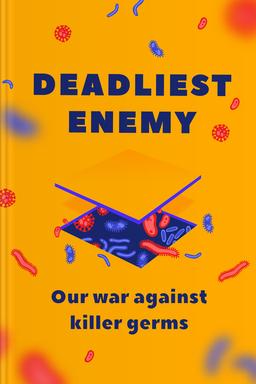
What is Ten Lessons for a Post-Pandemic World about?
This book explores how the COVID-19 pandemic has reshaped societies, economies, and politics, offering crucial insights for a changing world. The author discusses ten key lessons learned, emphasizing the importance of resilience, global cooperation, and the re-evaluation of priorities in various fields including health, technology, and governance. Through historical context and contemporary analysis, it provides a framework for navigating the challenges and opportunities that lie ahead.
Who should read Ten Lessons for a Post-Pandemic World
- Curious minds seeking insights post-COVID-19.
- Policy makers looking for future guidance.
- Readers interested in global trends and shifts.
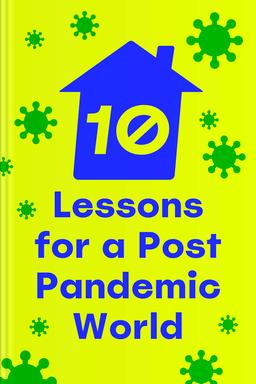
What is The Rome Plague Diaries about?
Set against the backdrop of the COVID-19 pandemic, this compelling narrative reveals life in Rome during lockdown. Through personal anecdotes and vivid descriptions, it captures the profound challenges, cultural shifts, and moments of resilience faced by residents. The author intertwines historical reflection with contemporary experiences, offering a unique insight into how an ancient city coped with modern adversity, blending humor, sorrow, and humanity in extraordinary times.
Who should read The Rome Plague Diaries
- History enthusiasts interested in pandemic impact
- Travel lovers longing for Rome's cultural insights
- Readers seeking personal stories of resilience during crises
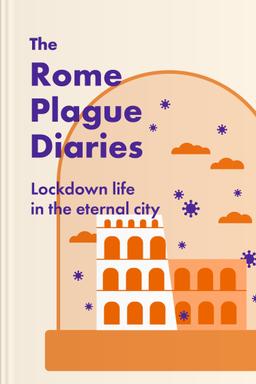
What is Apollo's Arrow about?
This insightful exploration delves into the far-reaching effects of the coronavirus pandemic on society, culture, and human behavior. Drawing on history, sociology, and epidemiology, it examines how the virus reshapes social interactions, governance, and our collective psyche. Through compelling analysis, it reveals the enduring changes that may redefine our lives long after the pandemic subsides, urging readers to reconsider the future of human connection and community.
Who should read Apollo's Arrow
- Public health professionals seeking deeper insights.
- Students of sociology and public health.
- General readers interested in pandemic effects.
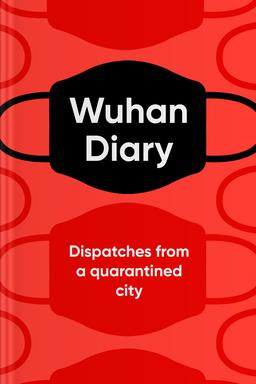
What is Wuhan Diary about?
This poignant account captures the daily realities of life in Wuhan during the early days of the COVID-19 pandemic. Through a series of personal reflections and observations, the author offers an intimate glimpse into the struggles, fears, and resilience of the city's residents under quarantine. The diary serves as a powerful testament to human endurance in the face of unprecedented crisis and highlights the deep emotional toll of isolation.
Who should read Wuhan Diary
- Fans of firsthand pandemic experiences
- Readers interested in contemporary Chinese literature
- Those seeking insights into urban living during crisis
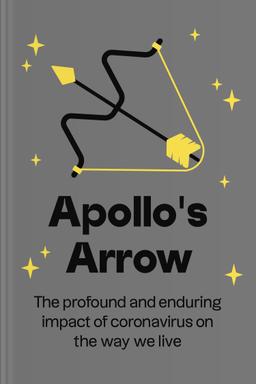
What is Deadliest Enemy about?
This gripping exploration delves into the threat of infectious diseases and their potential to unleash pandemics. Through compelling narratives and scientific insights, it underscores the vulnerabilities of modern society to killer germs. The authors examine historical outbreaks and the urgent need for preparedness, urging readers to understand the risks posed by emerging pathogens in a globalized world. A call to action for better public health responses against unseen enemies.
Who should read Deadliest Enemy
- Public health professionals seeking pathogen insight.
- Health enthusiasts interested in infectious disease prevention.
- Readers curious about global health threats and response.