russia has launched a full-scale war in Ukraine. Donate to support Ukraine and protect the world’s peace.

30 Eye-Opening Reads About Power and Political Systems

You want to understand how governments actually work — not the textbook version, but the real mechanics of power, control, and influence. Books from our list strip away the polished surface of political systems and show you what's happening behind closed doors. From whistleblowers who risked everything to journalists who exposed corruption, these authors reveal truths that some would prefer stayed hidden.

Mark R. Levin's 'Unfreedom of the Press' exposes media manipulation — Edward Snowden's 'Permanent Record' details mass surveillance. Michael Lewis's 'The Fifth Risk' shows government dysfunction. These aren't abstract theories — they're documented realities that affect your daily life, even when you don't realize it.

Books about government that reveal how power really rules

Books about government discuss the structures of authority, the ways in which decisions are made, and the gap between the rhetoric of governance, control of the state, and real-life consequences.

Your understanding of politics influences how you vote, the policies you support, and your level of trust in institutions. Without this knowledge, you're making decisions based on incomplete information. Books about government provide context that news headlines can't deliver.

'Spy the Lie' by Phil Houston, Michael Floyd, and Susan Carnicero teaches interrogation techniques used by CIA officers. You'll learn to detect deception in political statements. Nicole Perlroth's 'This Is How They Tell Me the World Ends' exposes the cyber weapons market. Governments buy software vulnerabilities instead of fixing them, leaving everyone vulnerable.

'The Power of Russian Propaganda' compiles analysis from Vox, BBC, The New York Times, The Guardian, Vice, Politico, and Radio Liberty. It demonstrates how information warfare operates across borders. You'll recognize tactics being used in your social media feed right now.

These reads don't offer simple answers. They reveal the machinery of modern governance — surveillance systems, propaganda networks, bureaucratic failures, and the individuals who have tried to fix or expose them. Some authors paid serious prices for sharing what they knew.

Books on government and the people who tried to make a difference

Government theory books explain different political systems, but books on government show you specific examples of power in action. They document real cases where officials made choices that affected millions of lives.

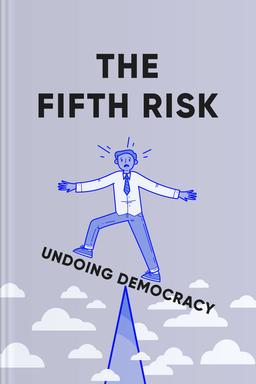
Michael Lewis followed federal employees managing nuclear weapons, weather forecasting, and food safety programs. His book 'The Fifth Risk' reveals what happens when experienced civil servants are replaced by political appointees who lack a thorough understanding of their jobs. These aren't abstract concerns — they're about whether your food is safe and your weather forecasts are accurate.

Edward Snowden served as an insider in the NSA's surveillance apparatus. He witnessed the government collecting information about everyday citizens, generally without a warrant or outside monitoring. His autobiography, 'Permanent Record,' describes the systems surveilling your cellular telephone calls, emails, and internet usage in great detail and you will become acquainted with the term 'metadata' in reference to nuclear issues.

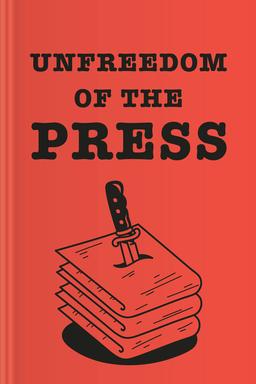
Mark R. Levin in 'Unfreedom of the Press' argues that major news organizations coordinate with political interests to shape public opinion. Levin provides specific examples of stories that were buried, promoted, or distorted. Whether you agree with his conclusions or not, his evidence makes you question what you're being told and what's being left out.

Reading these books won't make you cynical — it'll make you informed. You will notice the tactics of manipulation, understand the weaknesses of institutions, and see when politicians are evading questions. This knowledge will allow you to better engage in democracy, hold leaders accountable, and make more informed decisions about who to trust.

Unfreedom of the Press

by Mark R. Levin

What is Unfreedom of the Press about?

This provocative exploration reveals the current state of journalism, arguing that the media has shifted from a watchdog role to one biased against the truth. The author critiques the influence of ideology on news reporting, exposing how this trend undermines democracy and public trust. Through historical context and compelling examples, it urges readers to recognize the dangers of media manipulation and to demand accountability from journalism.

Who should read Unfreedom of the Press

Journalism students seeking truth in reporting.
Political activists fighting for free speech rights.
Readers interested in media bias and accountability.

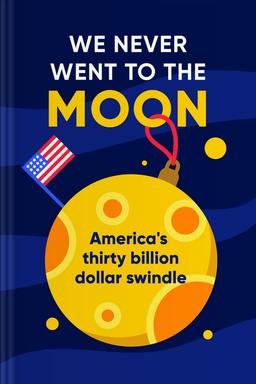
We Never Went to the Moon

by Bill Kaysing

What is We Never Went to the Moon about?

This provocative book presents a conspiracy theory claiming that the Apollo moon landings were staged by the U.S. government. It argues that the immense costs and technical challenges of the lunar missions led to a cover-up, with fabricated footage and deceptive evidence presented to the public. The author critiques the motivations behind the alleged hoax and examines the implications of such a monumental deception on American society.

Who should read We Never Went to the Moon

Conspiracy theory enthusiasts seeking alternative viewpoints.
History buffs interested in space exploration myths.
Curious readers questioning government transparency and narratives.

The Fifth Risk

by Michael Lewis

What is The Fifth Risk about?

This insightful exploration delves into the critical risks that arise from neglecting government functions and the impact on democracy. It reveals how the transition of power can lead to a lack of understanding and management of crucial governmental roles, such as disaster response, nuclear security, and data management. Through compelling narratives, it emphasizes the importance of informed leadership and the perilous consequences of ignorance in governance.

Who should read The Fifth Risk

Political enthusiasts looking to understand governance challenges.
Readers interested in democratic accountability and transparency issues.
Citizens concerned about the impact of leadership on society.

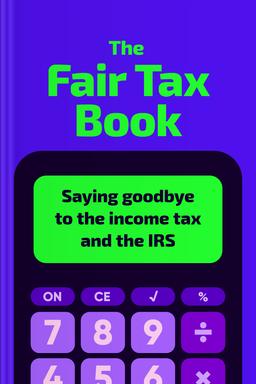
The FairTax Book

by Neal Boortz, John Linder

What is The FairTax Book about?

This book presents a detailed proposal for replacing the current income tax system with a national sales tax. It argues that the FairTax would simplify taxation, eliminate the IRS, and promote economic growth. The authors provide a thorough analysis of how this shift would benefit individuals and businesses, backed by data and examples to demonstrate the advantages of a fair and transparent tax policy.

Who should read The FairTax Book

Tax reform advocates seeking alternative tax solutions.
Individuals frustrated with the current income tax system.
Economics enthusiasts exploring innovative taxation methods.

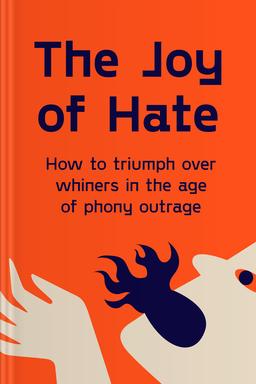
The Joy of Hate

by Greg Gutfeld

What is The Joy of Hate about?

This provocative book explores the culture of outrage and the pervasive negativity of modern discourse. The author presents a humorous yet incisive critique of the whiners and perpetual victims in society, advocating for resilience and a positive outlook. Through witty anecdotes and sharp insights, it encourages readers to reclaim joy and laughter amidst the noise of complaint, empowering them to triumph over cynicism in everyday life.

Who should read The Joy of Hate

Individuals tired of political correctness and whiners.
Readers seeking humor in today's outrage culture.
Satire lovers wanting to understand modern social issues.

Permanent Record

by Edward Snowden

What is Permanent Record about?

An insightful memoir that details the life of a former NSA contractor who revealed extensive global surveillance practices. The narrative explores the tension between personal privacy and national security, offering a firsthand account of the motivations behind the whistleblowing. It delves into the implications of government overreach and advocates for a more informed public discourse on civil liberties and digital privacy in the modern age.

Who should read Permanent Record

Privacy advocates interested in surveillance issues.
Tech enthusiasts exploring cybersecurity and government transparency.
Readers seeking insights into personal freedom and digital rights.

The Deficit Myth

by Stephanie Kelton

What is The Deficit Myth about?

This book explores the principles of Modern Monetary Theory, challenging traditional views on government budgets and deficits. It argues that countries controlling their own currency can spend freely to support economic growth and social welfare without the fear of insolvency. By reframing the understanding of money, the author advocates for policies that prioritize public need and economic stability, presenting a vision for a more equitable and prosperous society.

Who should read The Deficit Myth

Economists seeking to understand modern monetary theory.
Students studying economics and public policy.
Activists interested in economic justice and reform.

Spy the Lie

by Phil Houston, Michael Floyd, Susan Carnicero with Don Tennant

What is Spy the Lie about?

This practical guide unveils techniques used by former intelligence officers to identify deception. Through real-life examples and insightful strategies, readers learn to recognize body language cues, verbal discrepancies, and other signs that indicate dishonesty. The authors provide valuable tools for enhancing interpersonal communication, making it an essential resource for anyone interested in improving their ability to discern the truth in personal and professional interactions.

Who should read Spy the Lie

Professionals in law enforcement and intelligence sectors.
Business leaders needing to enhance negotiation skills.
Psychology enthusiasts interested in understanding human behavior.

Ten Lessons for a Post-Pandemic World

by Fareed Zakaria, PhD

What is Ten Lessons for a Post-Pandemic World about?

This book explores how the COVID-19 pandemic has reshaped societies, economies, and politics, offering crucial insights for a changing world. The author discusses ten key lessons learned, emphasizing the importance of resilience, global cooperation, and the re-evaluation of priorities in various fields including health, technology, and governance. Through historical context and contemporary analysis, it provides a framework for navigating the challenges and opportunities that lie ahead.

Who should read Ten Lessons for a Post-Pandemic World

Curious minds seeking insights post-COVID-19.
Policy makers looking for future guidance.
Readers interested in global trends and shifts.

Frequently asked questions on books about government

Which book is best for a government job?

'The Fifth Discipline' by Peter Senge is recommended for those working on reforms or changes within the system. Senge teaches how to transform a company or government structure into a "learning organization" — one where people don't just follow orders, but think systematically.

What are the 5 types of government?

There are five main types of government: democracy, where the people elect the government; republic, where representatives make decisions; monarchy, where a king or queen rules; oligarchy, where power is concentrated in the hands of a few; and totalitarianism, where the state controls everything, even the thoughts of its citizens.

What are the best books on political science?

Political science should start with the classics: 'The Republic' by Plato discusses the ideal state, 'The Prince' by Machiavelli focuses on real politics and power, and 'On Liberty' by John Stuart Mill emphasises individual freedom. In the modern context, it is appropriate to include Acemoglu and Robinson's 'Why Nations Fail' and Arendt's 'The Origins of Totalitarianism', which both address power, society, and the constraints of freedom.

What is the best book about the US Constitution?

The most famous book about the American Constitution is 'The Federalist Papers' (18th century) by Alexander Hamilton, James Madison, and John Jay. The authors explain the principles of the US Constitution, reveal the system of checks and balances, and argue why the new form of government would ensure stability and freedom.

What are 5 books everyone should read?

Everyone should read books that help them understand themselves and the world: George Orwell's '1984' about power and control, 'Animal Farm' about political allegory, Covey's 'The 7 Habits of Highly Effective People' about personal effectiveness, Kahneman's 'Thinking, Fast and Slow' about thinking, and Yuval Noah Harari's 'Sapiens' about human history.