Protect the world’s peace. Donate to support Ukraine

29 Best Company Culture Books to Build a Thriving Workplace

Your team keeps missing deadlines. People avoid meetings. Someone just quit without warning. The problem isn't your people. It's your culture. 

Best books on company culture reveal what most managers miss: the invisible rules that shape how work actually gets done. Daniel Coyle in 'The Culture Code' and Amy Edmondson in 'The Fearless Organization' show that great workplaces aren't built on perks. They're built on trust, clear values, and genuine connection.

Business culture books that fix real workplace problems

Business culture books teach you to spot the patterns you've been ignoring. 

'The Cult of We' by Eliot Brown and Maureen Farrell shows how at WeWork the corporate culture turned from inspiration to illusion. Founder Adam Newman created an atmosphere of mission, where everyone believed they were "changing the world," but this gradually replaced real results with fanatical devotion to the idea. The company's culture was built on the charisma of the leader, loud slogans, and the feeling of a "big family" that blurred the lines between work and personal life. Ultimately, the book shows: when a corporate culture becomes a religion without critical thinking, it stops supporting development — and begins to destroy it.

'Built to Last' by Jim Collins and Jerry Porras studied companies that survived for decades and found something surprising: the best ones didn't chase trends. They adhered to core principles even when it meant sacrificing short-term profits. That's the difference between a workplace that lasts and one that burns out.

These books address the stuff happening in your office right now. 'Let's Talk' by Therese Huston explains why one-on-one meetings can feel awkward and offers suggestions on how to address the issue. Gary Chapman's 'The 5 Languages of Appreciation in the Workplace' reveals why your 'great job' compliments often fall flat with half your team. You're not failing at culture. You just haven't learned the language yet.

Best books on company culture for building teams that stay

The best books on company culture focus on one truth: people don't quit jobs, they quit environments.

Scott Tannenbaum's 'Teams That Work' digs into why some groups click while others fall apart. It's not about hiring superstars. It's about creating conditions that enable normal people to do their best work.

Jeffrey Liker's 'The Toyota Way' proves this with decades of data. Toyota didn't dominate the auto industry because it had better engineers. They built a system that allowed every worker to identify and address problems. That's culture in action, not in mission statements.

Daniel Coyle's 'The Culture Code' studied groups from Navy SEALs to Pixar animators. He found that high-performing teams share specific behaviors: they make everyone feel safe to speak up, they admit vulnerability, and they remind each other why the work matters. These aren't soft skills. They're the mechanics of teams that don't implode under pressure.

What makes these books different from other leadership seminars? They give you actions, not slogans. 'The Fearless Organization' doesn't just say "be open." Amy Edmondson explains exactly how to respond when someone admits a mistake so they'll speak up next time. 

That's the shift from knowing culture matters to actually changing it.

Find your next read with a short quiz

What is Brotopia about?

This insightful exploration reveals the pervasive sexism and culture of exclusion in Silicon Valley's tech industry. Through interviews and personal anecdotes, the narrative exposes the experiences of women striving for success in a male-dominated environment. It highlights the systemic barriers they face, advocating for change and inclusivity, while inspiring hope for a future where diversity thrives in technology.

Who should read Brotopia

  • Women in tech seeking inspiration and empowerment.
  • Investors interested in diversity in Silicon Valley.
  • Students studying gender inequality in the workplace.
book

Built to Last

by Jim Collins, Jerry I. Porras

What is Built to Last about?

This insightful guide explores the principles and practices that distinguish visionary companies from their competitors. Through rigorous research and analysis, the authors identify key attributes that contribute to long-lasting success. Highlighting real-world examples and contrasting with less successful companies, the book emphasizes the importance of a strong corporate culture, visionary leadership, and an unwavering commitment to core values in achieving sustainable growth and impact in the business world.

Who should read Built to Last

  • Business leaders seeking sustainable success
  • Entrepreneurs looking for visionary strategies
  • Students studying corporate management practices
book

Equity

by Minal Bopaiah

What is Equity about?

This book offers a comprehensive guide to creating equitable organizations that foster inclusivity and growth for all members. It explores the principles of equity in the workplace, providing strategies to dismantle systemic barriers and promote a culture of belonging. Through practical frameworks and real-world examples, it encourages leaders to design organizations where diverse voices are valued, ultimately leading to enhanced innovation and collective success.

Who should read Equity

  • HR professionals seeking inclusive workplaces.
  • Leaders aiming to promote diversity and equity.
  • Students studying organizational behavior and inclusion.
book

First, Break All the Rules

by Marcus Buckingham, Curt Coffman

What is First, Break All the Rules about?

This insightful guide explores the key practices of exceptional managers, challenging conventional wisdom about employee management and engagement. Based on in-depth research, it reveals that the best leaders focus on individual strengths rather than weaknesses, allowing teams to thrive. The authors provide actionable strategies and real-world examples, helping managers empower their employees, improve productivity, and cultivate a positive workplace culture.

Who should read First, Break All the Rules

  • Managers seeking to improve team performance.
  • HR professionals looking for effective management strategies.
  • Leaders wanting to enhance employee engagement.
book

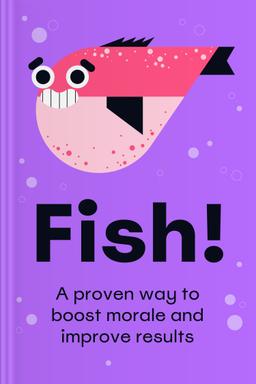
FISH!

by Stephen C. Lundin, PhD, Harry Paul, John Christensen

What is FISH! about?

This engaging guide uses an inspiring metaphor of fish to illustrate how a positive work environment can enhance morale and productivity. Through captivating stories and practical strategies, it encourages readers to embrace a playful, proactive approach to their work, fostering creativity and collaboration among teams. The authors emphasize the importance of joy and enthusiasm in the workplace, advocating for a transformation that leads to improved results and a vibrant workplace culture.

Who should read FISH!

  • Business leaders seeking to enhance employee engagement.
  • Teams wanting to boost morale and productivity.
  • Anyone interested in workplace culture improvements.
book

Frequently asked questions on company culture books

What are the 4 types of company culture?

There are four types of corporate culture: clan – like a family, focused on team and trust; adhocracy – creative, flexible, with an emphasis on innovation; market – competition and results above all; hierarchical – stability, rules, clear structure. Each forms its own style of work and motivation. Your dominant culture type shapes how decisions get made, how people communicate, and whether employees feel motivated or drained by their work environment.

What are the 5 P's of corporate culture?

These 5 Ps are purpose (the reason that a company exists), principles (the values that shape behaviour), people (who you choose to hire and how you treat them), practices (the habits and rituals that comprise your days), and place (the physical or virtual space you occupy). Combined, these five factors make up the actual experience of working somewhere. Companies that align all five Ps develop cultures that employees do not want to escape, but thrive in.

What are the 5 C's of culture change?

The 5 C's are commitment (leadership buy-in), clarity (defined vision and values), communication (consistent messaging), capability (skills to execute change), and consistency (sustained effort over time). Culture change fails when organizations skip steps or expect quick results. Real transformation takes months. You need all five working together to make new behaviors stick.

What are the 4 elements of corporate culture?

The main elements of corporate culture are values, mission, behavioral norms, and symbols. Values ​​define what the company believes in. The mission explains why it exists. Behavioral norms shape how people interact. Symbols are everything that conveys the spirit of the company: the office, the style of communication, traditions, and rituals.