Self-growth
 Apps & Digital Tools
 Business & Career
 Success
 Growth Tools
 Psychology
 Communication
 Relationships


In Great Britain, 964,000 workers reported stress, depression, or anxiety caused or made worse by work in 2024/25, and those cases cost an estimated 22.1 million working days, about 62% of all days lost to work-related ill health.
Work stress is not a fringe complaint, and that figure leaves out everyone who did not take a day off for it. It is a systemic issue affecting the modern workforce.
Work stress arises when job demands exceed the resources and support available to meet them. This article covers what work stress is, what causes it, how it shows up in your body and mind, how it differs from burnout, and what you can do about it today.
📘 Curious to know how work stress influences your life? Get Headway and access themed summaries of famous nonfiction titles by field experts.
*Please note: this is general information, not medical advice.

Quick summary: Work stress in brief
Work stress arises when demands exceed resources and support. You should also know:
Heavy workloads, deadlines, and job insecurity are common causes.
Signs include headaches, poor sleep, and irritability.
Fixing the source works better than self-care alone.
Persistent symptoms deserve a conversation with a professional.
What workplace stress looks like
Mental health and physical health are deeply intertwined. When you are overwhelmed at the office, your body reacts. Prolonged stress can manifest as fatigue, headaches, and difficulty concentrating. Physical health issues linked to work stress include chronic fatigue and sleep disturbances. You might also notice muscle tension throughout the day.
Mentally, you may experience extreme irritability, negative thoughts, and an inability to focus. This fatigue and low energy often carry into your time off, making weekends feel less restorative. Furthermore, stress can worsen interpersonal relationships both at work and outside work.
If these symptoms last or worsen, talking to a doctor or a mental health professional is crucial. Stress-related illness significantly contributes to workplace absence. The American Psychological Association (APA) notes that chronic stress is linked to high blood pressure, weakened immune response, obesity, diabetes, and even heart disease.
For a broader look at how these signs cluster together, reading about the symptoms of burnout provides a helpful framework.
What causes stress in the workplace
Work-related stress is widespread across all employment sectors. It affects hourly workers, executives, and freelancers alike.
Common causes of work stress include heavy workloads and unrealistic deadlines. In fact, a 2023 survey by the American Psychological Association found that a significant portion of professionals cite an overwhelming workload as their top stressor.
Conversely, 31% of workers feel stressed when there's not enough work, as under-stimulation can breed anxiety about job security. Other major factors include:
Job insecurity and unclear expectations.
A toxic work environment or a harsh management style.
Weak workplace relationships and immense social pressures.
Too much work leading to excessive overtime.
Stop letting your job dictate your peace of mind.
📘 Try the Headway app to learn actionable strategies from top business and psychology books in just 15 minutes a day.
When stress becomes mental exhaustion
When work stress is left unchecked, it evolves into deep mental exhaustion. Prolonged stress becomes fatigue, cynicism, and total detachment. High stress contributes to anxiety and burnout, severely limiting your ability to function.
Long-term work stress negatively affects cognitive function and productivity. You might find yourself staring at a screen for hours without completing a single task. At this stage, taking a single day off will not cure the underlying issue.
Why rest alone does not always fix it is a complex topic, but understanding mental exhaustion is the key to unpacking why your brain refuses to cooperate.
Work stress or burnout?
| Work stress | Burnout |
|---|---|
Feels like too much pressure | Feels like too little energy left |
Tied to demands and deadlines | Spreads to detachment and cynicism |
Eases when the demand eases | Persists after the demand eases |
Often accompanied by urgency | Often accompanied by emptiness |
Responds to better boundaries | May need a longer recovery |
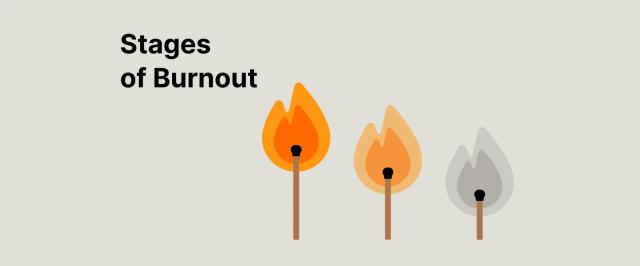
These two states overlap, and the line between them is not sharp. However, understanding the 12 stages of burnout can help you identify exactly where you are on the spectrum of exhaustion.
A quick check for stress levels
A short self-check is a reflection tool, not a clinical diagnosis. Ask yourself:
Is my workload manageable during standard hours?
Am I sleeping through the night without thinking about my job?
Do I feel energized on my days off?
Am I engaged with my work, or do I feel completely detached?
If your answers lean toward exhaustion and detachment, you need to intervene. Taking a structured burnout test can help you clarify your experience.
Your first step: How to avoid conflict and navigate efficiently
Effective management of work-related stress requires establishing clear personal boundaries. Self-care is helpful, but addressing the source of work stress can be more effective than individual self-care alone.
Start by tracking specific workplace triggers for a week to see patterns. Are you most stressed after a specific meeting? Once you identify the pattern, communicate workload issues early and directly to a supervisor.
You can avoid conflict by choosing the right moment and framing for hard conversations. Communicating needs directly with supervisors can alleviate work stress significantly.
In your daily routine, prioritize tasks. Single-tasking instead of multitasking helps to reduce stress. Say no to extra commitments where possible, and set boundaries around work hours, which is strongly linked to improved well-being. Setting communication limits after work hours is recommended to manage stress.
During the day, practicing deep breathing exercises lowers physical tension during work. Taking breaks away from your workspace can help reduce stress. If you feel entirely overwhelmed, learning how to recover from burnout while still working is essential.
You don't have time to read a 300-page book on stress management.
📘 Download Headway to access bite-sized insights on building boundaries and protecting your energy.
Workplace relationships and mental health
Your environment shapes your stress levels. Positive workplace relationships reduce stress levels significantly. Employees with strong relationships are more likely to seek help when they are struggling.
Unfortunately, a 2023 survey by MindShare Partners indicates that a significant percentage of employees avoid confiding in co-workers about stress. Open communication fosters a supportive work culture.
Social support outside work also builds resilience. Employees are more resilient when they maintain social support outside of work. Additionally, regular exercise boosts mood and helps manage work-related stress. Healthy sleep habits are essential for managing work stress.
If these steps are not enough, therapy options, including Cognitive Behavioral approaches, are widely recognized by mental health professionals as an effective way to navigate workplace anxiety.
Rest and a mental reset
Treat recovery as part of the work, not a luxury. A true mental reset requires time completely off the screen and out of work chat. For more ideas on how to completely disconnect from your job, exploring strategies for a mental reset can provide practical starting points.

What managers and employers can do
Effective management of workplace stress improves employee well-being and overall productivity. Employers must address the source: workload, staffing, and role clarity.
Encouraging breaks can help prevent burnout and stress. Teaching staff to prioritize workloads improves their well-being. Managers should also hold regular return-to-work interviews to uncover stress-related issues. Ultimately, building open communication and a supportive culture is the only sustainable way to protect a team.
Build calmer habits with Headway!
You cannot control your entire company, but you can control your own habits and responses. Here is how insights from top books can help:
'Atomic Habits' (James Clear): Tip: Make one work boundary a habit, such as a fixed end time. Exercise: Set a daily alarm that marks the absolute end of your workday.
'The Effective Executive' (Peter F. Drucker): Tip: Track where your time goes for a few days. Exercise: Mark each task as important or only urgent.
'Meditations' (Marcus Aurelius): Tip: Separate what you control from what you do not. Exercise: Split today's worries into two distinct columns.
'Emotional Intelligence 2.0' (Travis Bradberry and Jean Greaves): Tip: Notice your stress response before reacting. Exercise: Name the feeling before replying to a tense message.
'Daring Greatly' (Brené Brown): Tip: Say what you need directly. Exercise: Write the first sentence of a workload conversation with your manager.
📘 Try the Headway app to access these summaries and hundreds more, designed specifically for busy professionals trying to reclaim their time.
FAQs about work stress
What is work stress?
Work stress arises when job demands exceed the resources, time, and support available to meet them. It is the physical and emotional response that occurs when there is a significant mismatch between expectations and a worker's capacity.
What are the most common causes of work stress?
The most common causes include heavy workloads, unrealistic deadlines, job insecurity, unclear expectations, and a toxic work environment. A harsh management style and poor workplace relationships also heavily contribute to daily stress.
What are the signs of work stress?
Signs include headaches, muscle tension, sleep problems, irritability, negative thoughts, and difficulty concentrating. You may also experience profound fatigue and low energy that carry into your time off, severely impacting your personal life.
How is work stress different from burnout?
Work stress generally feels like too much pressure and urgency, but it often eases when the immediate demand or deadline passes. Burnout feels like an absolute lack of energy, characterized by deep cynicism and detachment that persists even when the workload lightens.
How can I reduce work stress right now?
You can reduce stress immediately by single-tasking instead of multitasking, taking short breaks completely away from your workspace, practicing deep breathing, and setting firm communication limits after work hours to protect your recovery time.
How do I talk to my manager about work stress?
Approach the conversation early before a crisis hits. Track your specific triggers and workload for a week, and present this data calmly. Frame the conversation around prioritizing tasks efficiently rather than just complaining about the volume.
Can work stress affect physical health?
Yes. Prolonged work stress is strongly linked to physical health issues including chronic fatigue, sleep disturbances, muscle tension, and headaches. The APA notes that chronic stress is associated with long-term risks like high blood pressure and weakened immune response.
When should I get professional help for work stress?
You should seek professional help when your stress symptoms last for weeks, worsen over time, severely disrupt your sleep, or begin to damage your personal relationships and overall quality of life despite your best efforts to manage the workload.