Self-growth
 Apps & Digital Tools
 Business & Career
 Success
 Growth Tools
 Psychology
 Communication
 Relationships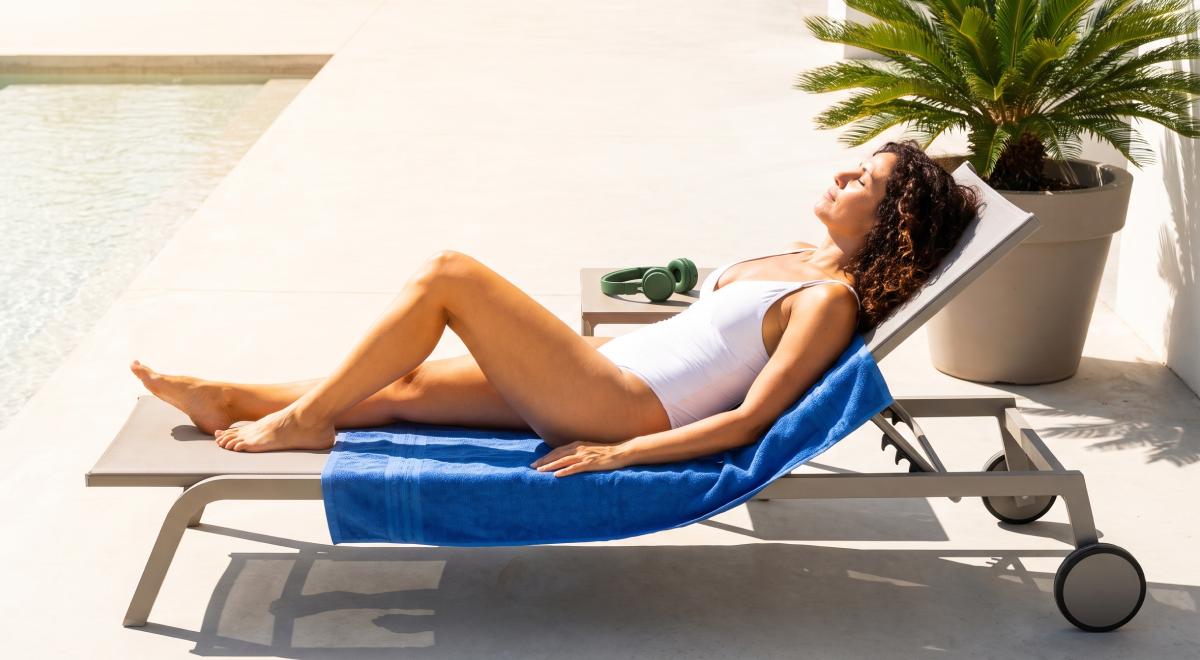

Have you ever spent a whole evening on the couch — an hour of scrolling, half a season of something — and still woken up tired? That's because rest and relaxation are not the same thing. Passive screen time keeps your brain busy, while genuinely relaxing activities give your nervous system a chance to settle and recover.
The best choice also depends on what kind of tired you are. A racing mind needs something different from tense shoulders, and restlessness calls for a different fix than an empty battery. This guide walks through 40 relaxing activities for adults — quick, creative, outdoor, and social — so you can match the remedy to the feeling.
If you want a pocket-sized companion for calmer evenings, the Headway app pairs 15-minute summaries of the best books on stress and recovery with relaxing music, ambient sounds, and binaural beats for sleep.
📘 Wind down smarter with Headway.
Quick answer: How to pick a relaxing activity that actually works
Skip the trial and error. Start with how you feel right now, then choose from the matching shortlist:
Mentally overloaded: Try breathing exercises, guided meditation, or journaling to slow the mental spin.
Physically tense: A warm bath, gentle stretching, or progressive muscle relaxation releases what your shoulders have been holding all day.
Restless and fidgety: Walking in nature, cycling, or dancing burns off the buzz — relaxation doesn't always mean sitting still.
Completely drained: Calming music, reading a book, or an early night with chamomile tea asks almost nothing of you.
One rule applies across the board: the activity should feel enjoyable, not like one more chore on the list.

What makes an activity genuinely relaxing?
Your body runs on two opposing systems. The sympathetic nervous system works like a gas pedal — it fires the fight-or-flight response and releases stress hormones such as adrenaline and cortisol. The parasympathetic nervous system acts as the brake, easing your heart rate, breathing, and blood pressure back toward baseline, which is why Harvard Health describes it as the "rest and digest" response.
A truly relaxing activity helps you take your foot off the gas. No single five-minute exercise instantly flushes cortisol out of your system, but calming practices done regularly help your body spend more time in recovery mode instead of idling in high gear. That's the difference between self-care that works and self-care that's just a scented candle.
In practice, relaxing activities share five traits. They:
reduce mental or physical tension instead of adding to it
feel enjoyable rather than obligatory
require manageable effort, even on a low-energy day
shift your attention away from whatever is stressing you
support emotional or physical recovery, from mindfulness to a full night's sleep
Keep those five traits in mind as you scan the list below. If an activity fails the "enjoyable, not obligatory" test for you personally, cross it off without guilt — someone else's relaxation technique can easily be your chore.
📘 Learn the science of switching off with Headway.
10 quick relaxing activities for stress relief (5 to 10 minutes)
You don't need a free weekend to reset. These calming activities fit between meetings, during a lunch break, or in the gap between "kids are asleep" and "I'm asleep."
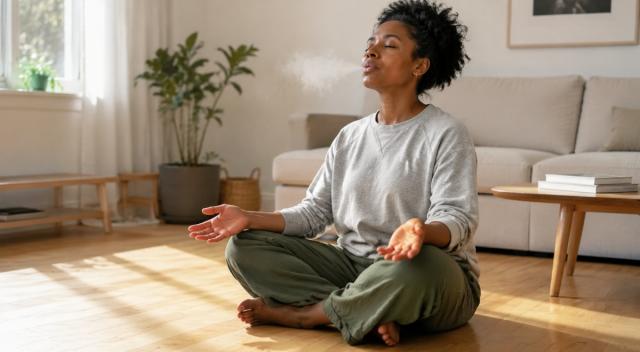
Practice breathing exercises. Slow your breath to around six breaths per minute — in for four counts, out for six. Slow, deep breathing helps activate the parasympathetic "brake," which is why it shows up in nearly every relaxation tradition.
Listen to calming music. Pick something slow and familiar, put your phone face down, and just listen. Treating music as the activity, not the background, changes how much it helps.
Try guided meditation. A recorded voice does the steering, so you don't need experience. Five minutes counts.
Use visualization. Picture a place where you feel safe and comfortable — a beach, a cabin, your grandmother's kitchen — and fill in the sensory details one by one.
Take a warm bath or shower. Heat relaxes tight muscles, and the ritual signals your body that the workday is over.
Doodle. Grab any pen and let your hand wander. Nobody grades it, which is exactly the point.
Practice gratitude. Name three specific things that went right today. Practicing gratitude pulls attention away from the mental list of everything that went wrong.
Stretch gently. Roll your neck, open your chest, fold forward. Two minutes of gentle stretching tells tense muscles they're allowed to let go.
Make chamomile tea. The slow ritual of boiling, steeping, and sipping builds a natural pause into your evening.
Try lavender aromatherapy. Many people find the scent soothing as part of a wind-down ritual. The research on essential oils is still mixed, so treat lavender as a pleasant cue for your brain, not a cure.
📘 Turn five spare minutes into real recovery with Headway.
Creative relaxing activities that quiet a busy mind
Repetitive, hands-on creative work occupies just enough of your attention to crowd out worry, without demanding intense concentration. Your hands follow a simple pattern, your mind settles into the present moment, and the mental chatter fades into the background. That's why so many creative relaxing activities double as informal mindfulness practice.
Color in adult coloring books. The lines are already drawn, so there's zero creative pressure — just pick a color and fill the space.
Draw. Sketch whatever is in front of you: your coffee cup, your dog, the view out the window. Accuracy is optional.
Paint. Watercolors are forgiving and cheap, and watching pigment spread across wet paper is oddly absorbing.
Journal. Write down what's circling in your head. Once a worry is on paper, your brain stops treating it like an open browser tab.
Knit. The rhythmic, repetitive motion gives restless hands a job and produces a scarf as a side effect.
Crochet. Same soothing repetition as knitting, one hook instead of two needles, and easier to put down mid-row.
Cook. Chopping, stirring, and tasting keep you anchored in your senses. Pick a recipe you already know so it stays low-stakes.
Bake. Measuring flour and waiting for the oven timer force you to slow down — and the payoff is warm banana bread.
Relaxing activities to do at home
Some evenings, the most peaceful thing to do is stay exactly where you are. These relaxing activities at home are screen-free (or close to it), cost little, and work in an apartment as well as a house — perfect ingredients for a quiet night in.
Read a book. Reading a book on paper gives your eyes a break from screens and your mind a single, slow thread to follow.
Listen to an audiobook or book summary. Lie back, close your eyes, and let someone else do the reading.
Solve a Sudoku or crossword. A small, contained puzzle gives an anxious brain something orderly to chew on.
Work on a jigsaw puzzle. Sorting edge pieces is about as low-pressure as thinking gets, and the progress is visible.
Tend your houseplants. Watering, trimming, and repotting are gardening's gentle indoor cousins — five quiet minutes of caring for something green.
Notice a theme? None of these relaxing hobbies produce anything urgent, and that's their superpower. They give you permission to be unproductive on purpose.
📘 Swap one scroll session for one summary now.
Mindfulness activities and relaxation exercises, explained
These practices often get lumped together, but each one works differently. Knowing the difference helps you pick the right tool instead of concluding that "relaxation exercises don't work for me" after one bad fit.
24. Meditation
Meditation trains attention and awareness: you pick an anchor (usually the breath), notice when your mind wanders, and bring it back. Brain-imaging research suggests regular practice can change how the brain responds to stress over time, though neuroscience is still mapping exactly how much practice it takes. Start with two minutes, not twenty.
25. Yoga
Yoga combines movement, stretching, and steady breathing, which makes it a two-for-one: your body releases physical tension while your mind gets an anchor. A beginner-friendly class or a follow-along video at home both count.
26. Progressive muscle relaxation
Progressive muscle relaxation involves tensing one muscle group at a time — fists, shoulders, jaw — holding for a few seconds, then releasing. The contrast teaches your body what "relaxed" actually feels like, and Harvard's Stress and Development Lab lists it among the core exercises for activating the body's rest-and-recover response.
27. Body scan
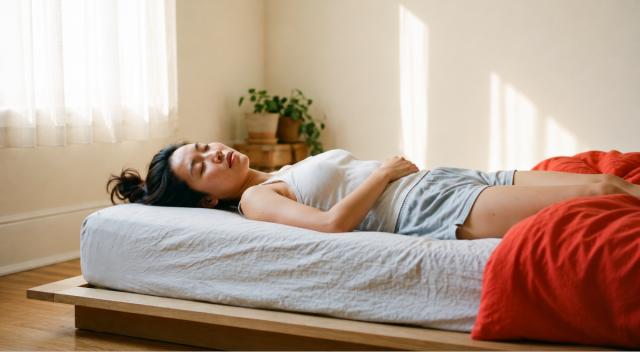
A body scan is a lying-down practice where you move your attention slowly from your toes to your head, noticing sensations without fixing anything. It pairs well with bedtime, since the only equipment required is a place to lie flat.
Breathing exercises, guided meditation, visualization, and practicing gratitude — numbers 1, 3, 4, and 7 on this list — belong to this family, too. Together, they form a starter kit of mindfulness activities you can rotate through until something clicks.
📘 Get the key ideas from top mindfulness books in 15 minutes with Headway.
Relaxing outdoor activities backed by real research
Nature is one of the few stress remedies with a measured dose. In a 2019 University of Michigan study published in Frontiers in Psychology, spending at least 20 minutes in a place that felt natural — a park, a yard, a tree-lined street — measurably lowered participants' cortisol, with the steepest drop between 20 and 30 minutes. You don't need a national park; you need a bench and a bit of green.
Garden. Digging, weeding, and watering combine light movement, fresh air, and a visible result. Gardening is also one of the few chores that people consistently describe as calming.
Walk in nature. Walking in nature is the simplest version of the "20-minute dose" above. Leave the headphones at home once in a while and let the background noise be birds.
Cycle at an easy pace. A slow ride — the kind where you can still hold a conversation — clears your head without wiping you out.
Go camping. A night outdoors resets your senses: real darkness, real quiet, and a fire to stare into instead of a feed.
Stargaze. Lie back and look up. Stargazing shrinks whatever felt enormous at 3 p.m. down to its actual size.
Listen to natural sounds. Rain, wind, waves, birdsong — sit outside and give the soundscape your full attention for ten minutes. No app required, though recordings work on a deadline day.
Relaxing activities that involve movement
Relaxation does not always mean sitting still. If stillness makes you more agitated — and for plenty of people it does — movement is the honest path to calm. Physical activity such as walking, cycling, and dancing can lift your mood partly through endorphins, the brain's own feel-good chemicals, and partly by giving nervous energy somewhere to go.
Dance. Kitchen dancing to two or three favorite songs counts. Nobody's watching, and your heart rate does the destressing for you.
Try tai chi. This slow-motion practice strings gentle movements together with steady breathing — think of it as meditation for people who need to keep moving.
Swim at an easy pace. The water carries your weight, the laps set a rhythm, and your phone stays in the locker by necessity.
Yoga, gentle stretching, gardening, cycling, and walking in nature from the earlier sections also belong in this category. If your body is the restless part, start here rather than on the meditation cushion.
Things to do to relax before bed (for better sleep)
The hour before bed decides a lot about the night that follows. Bright screens and stimulating content keep your brain in daytime mode, so a calming bedtime routine works best when it's built from low-stimulation, screen-free evening activities. Pull these from the list above:
Read a book on paper, with the overhead lights dimmed.
Listen to calming music or a quiet guided meditation instead of one more episode.
Do a short round of breathing exercises or progressive muscle relaxation once you're lying down.
Write in a gratitude journal — two or three lines is enough to close the day on purpose.
Take a warm bath an hour or so before bed; the cool-down afterward helps signal that it's time to sleep.
Sip chamomile tea or put a drop of lavender on your pillow if you enjoy the ritual. Treat both as cozy cues rather than sleep medicine — the ritual itself does a lot of the work.
These activities for better sleep share one feature: they lower the volume instead of raising it. If you tend to reach for your phone out of habit, our guide on how to stop scrolling addiction pairs well with this list.
Social relaxing activities for people who recharge with company
Not everyone unwinds alone. Some people recover best in solitude, while others relax through low-pressure connection — the kind with no agenda, no networking, and no need to perform. If that's you, build your relaxation list around other people.
Host a board game night. Board games give a gathering structure, so nobody has to carry the conversation alone.
Cook or bake with friends. Shared kitchen work is side-by-side time: hands busy, conversation optional, snacks guaranteed.
Take a group walk or hike. Walking together removes the pressure of eye contact, which is why some of the best conversations happen on trails.
Join a gentle yoga or dance class. A class supplies the plan and the company; you just show up and follow along.
Camping, gardening with family, and kitchen dancing all scale up to two or more people, too. The test is simple: if you leave the interaction with more energy than you brought, it counts as a relaxing activity. If you leave drained, it was socializing in a trench coat.
How to choose the right relaxing activity
Match the activity to the feeling, not to what worked for someone on the internet. This table is a starting point:
How you feel | Activities to try |
Mentally overwhelmed | Meditation, journaling, breathing exercises |
Physically tense | Yoga, warm bath, progressive muscle relaxation |
Restless | Cycling, dancing, walking in nature |
Creatively drained | Coloring, doodling, painting |
Low on energy | Reading, calming music, guided meditation |
Lonely | Board games, cooking with friends, camping |
Unable to sleep | Gratitude journal, warm bath, calming music |
If the first pick doesn't help, that's data, not failure. Adjust and try the next option in the row.
How to make relaxation part of your routine
Knowing 40 relaxing activities is one thing; using them before you hit a wall is another. A few habits make the difference:
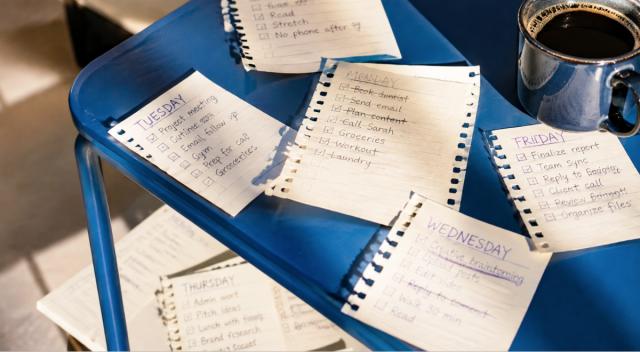
Build a personal shortlist. Choose one activity for high-energy days (a bike ride), one for medium days (baking), and one for empty-tank days (calming music). Decision-making is the first thing to go when you're stressed, so decide in advance.
Take real breaks — and know what a break is. An effective break means stepping away from the task and the screen before exhaustion peaks: stand up, move, look out a window, breathe. Checking email in a different chair is not a break; it's the same stress in a new location.
Keep supplies visible. A book on the nightstand, a puzzle on the table, sneakers by the door. You'll pick whatever takes the least setup at 9 p.m.
Stack the habit. In 'Atomic Habits,' James Clear suggests attaching a new habit to an existing one — stretch after you brush your teeth, journal right after dinner. The anchor does the remembering for you.
Drop the productivity guilt. Rest is not a reward you earn by finishing everything; it's part of how you keep functioning. Emily and Amelia Nagoski make this case in 'Burnout: The Secret to Unlocking the Stress Cycle': dealing with the stressor and completing the stress response are two separate jobs.
Notice what works. After each activity, take five seconds to register how you feel. Your own results beat any listicle — including this one.
Real stories: How three busy people learned to actually switch off
If "I know I should relax, but I physically can't" sounds like you, you're in good company. Here's how three Headway users worked through the exact pains this article covers — the racing mind, the fake rest of scrolling, and the schedule with zero slack.
Keti Diasamidze, a UX writing lead, grew up in what she calls a "warm, loud, and extremely oversharing culture" and puts her starting point bluntly: "I cannot relax. Never." Her way in wasn't a weekend retreat — she used short summaries of self-care and mindfulness books to build a daily breathing habit. A few intentional minutes, not a grand overhaul.
Enrique García Galán, a programmer, lived the "rest that isn't rest" problem from our intro: about 20 automatic minutes of scrolling every morning that left nothing behind. After swapping that window for one book summary a day, he says his mind is "less tired" and less overwhelmed — and at night, he winds down with the app's Before Bed mode and its calming audio.
Ivan Karačić, a developer, triathlete, and dad of three, is proof that relaxation can move. His version is a quiet 5:30 a.m. walk while the house sleeps, audio summary in his headphones. "I was starting my day with something positive," he says — walking plus listening became the anchor habit his packed schedule could actually hold.
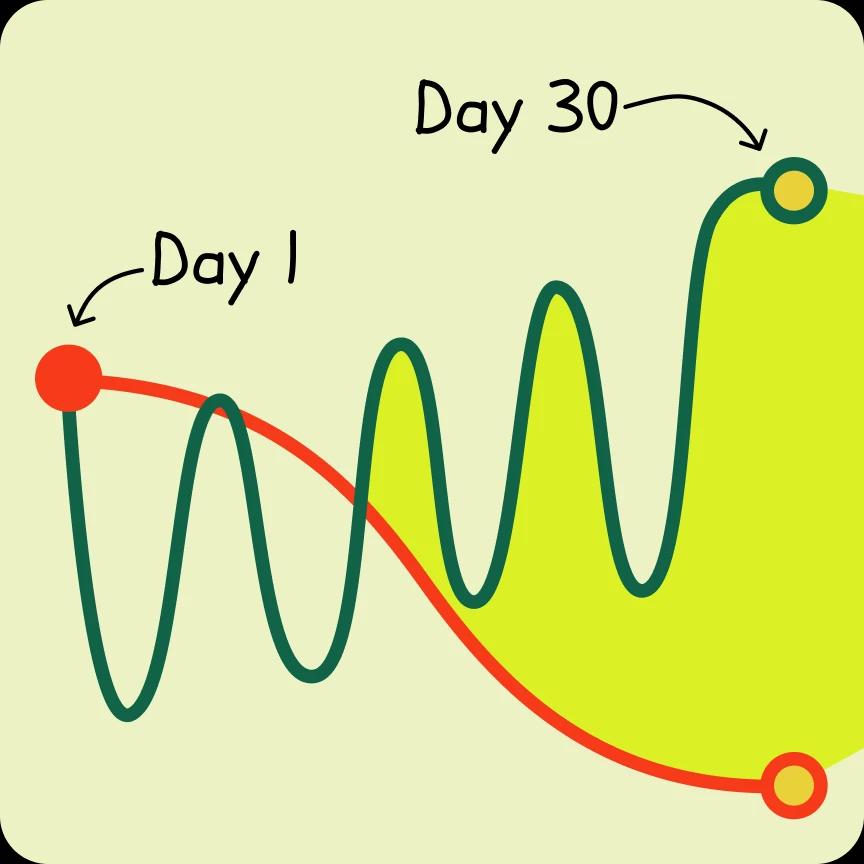
Three different people, one shared trick: they didn't find more time to relax. They repurposed time they already had — the morning scroll, the early walk, the two minutes of breathing — and let the habit grow from there.
Curious how much you can learn in 15 minutes?
Get actionable insights from your very first summary — and keep going from there.
Get the planWhen relaxing activities are not enough
Hobbies and relaxation techniques are excellent maintenance, but they have limits. If anxiety, insomnia, burnout, or low mood sticks around for weeks, drains your ability to work or connect with people, or keeps getting heavier despite your best efforts, that's a signal to bring in support beyond lifestyle changes. Persistent symptoms can point to depression or an anxiety disorder, and those respond best to care from a doctor or therapist — not to more chamomile.
Reaching out isn't an admission that you failed at self-care. It's the same logic as this whole article: matching the right tool to the actual problem. Relaxing activities can then do what they do best — support your recovery alongside professional help, not instead of it. If work stress is the main culprit, our resource on Headway for burnout is a useful starting point.
Ready for evenings that leave you rested? Unwind with Headway
The hardest part of relaxing activities is not the doing — it's the choosing, the starting, and the sticking with it. Headway makes all three easier. The app condenses the best books on stress, rest, and mindfulness — titles like 'Burnout: The Secret to Unlocking the Stress Cycle' and 'The Power of Now' — into 15-minute summaries you can read or listen to while the tea steeps.
And when you're done learning, the app helps you wind down, too. Headway's listen modes include relaxing music for calm, ambient sounds for focus, and binaural beats for sleep, so one app covers the whole evening arc from "still wired" to "lights out."
Over 55 million people have downloaded Headway across 170+ countries, and the app holds a 4.6 rating on the App Store and Google Play. Your calmer evening routine can start with the next 15 minutes.
📘 Make rest a daily habit — get started with Headway.
FAQs on relaxing activities
What are the most relaxing activities?
The most relaxing activities are the ones matched to your kind of stress. Breathing exercises, meditation, and journaling calm a racing mind; warm baths, stretching, and progressive muscle relaxation release physical tension; walking in nature, cycling, and dancing help when you feel restless. Research also singles out time in nature: about 20 minutes in a green space measurably lowers stress hormone levels.
What are some relaxing activities to do at home?
Reading a book, listening to calming music or an audiobook, journaling, baking, solving a Sudoku, working on a jigsaw puzzle, and gentle yoga all work well at home. Keep the setup light: dim the lights, put your phone in another room, and pick something that feels enjoyable rather than obligatory. A warm bath or a cup of chamomile tea rounds out a quiet evening nicely.
What can I do to relax in five minutes?
Try a breathing exercise: inhale for four counts, exhale for six, and repeat for a few minutes. Slow, deep breathing helps switch on the parasympathetic nervous system, your body's built-in brake. Other five-minute options include gentle stretching, doodling, listening to one calming song with your eyes closed, or writing down three things you're grateful for.
What activities help relieve stress?
Activities that relieve stress either calm the body, occupy the mind, or burn off nervous energy. Meditation, yoga, and progressive muscle relaxation calm the body directly. Creative tasks like coloring, knitting, and cooking absorb attention gently. Movement — walking in nature, cycling, dancing, swimming — releases tension and can lift your mood through endorphins. Rotate between all three types depending on the day.
What are good screen-free relaxing activities?
Reading a paper book, journaling, knitting, crocheting, painting, gardening, stargazing, board games, and walking in nature are all fully screen-free. Puzzles like Sudoku, crosswords, and jigsaws also qualify. The goal is to give your eyes and attention a genuine break, since passive scrolling tends to feel like rest while leaving your brain just as busy as before.
What relaxing activities can improve a bedtime routine?
Low-stimulation activities work best in the hour before bed: reading on paper, a short guided meditation, gentle breathing exercises, progressive muscle relaxation, or a few lines in a gratitude journal. A warm bath about an hour before sleep helps, too. Keep lights dim and screens away, and repeat the same two or three steps nightly so your body learns the cue.
Is reading a book a relaxing activity?
Yes — for most people, reading is one of the most reliable ways to unwind, because it gives your mind a single slow thread to follow instead of a feed to react to. It works best when the book is enjoyable rather than demanding and the format is paper or e-ink at night. If your eyes are tired, audiobooks and audio summaries deliver the same effect hands-free.
How do I relax when meditation does not work for me?
Skip the cushion and move instead. Plenty of people relax better through rhythm and motion — walking in nature, easy cycling, dancing, swimming, or tai chi — than through stillness. Repetitive hands-on hobbies like knitting, coloring, and baking offer a similar present-moment focus without formal practice. Meditation is one relaxation technique among many, not a requirement for a calm mind.