Self-growth
 Business & Career
 Success
 Communication
 Healing
 Relationships
 Psychology
 Happiness
You've probably seen it by now. A small penguin, somewhere in Antarctica, stops following its colony toward the ocean. It turns. It looks back — just once — and then begins walking in the opposite direction. Toward the mountains. Toward nothing.
Werner Herzog filmed it in 2007. He called the penguin "deranged." He said it was heading toward "certain death." The internet, almost two decades later, has a different interpretation: mood.
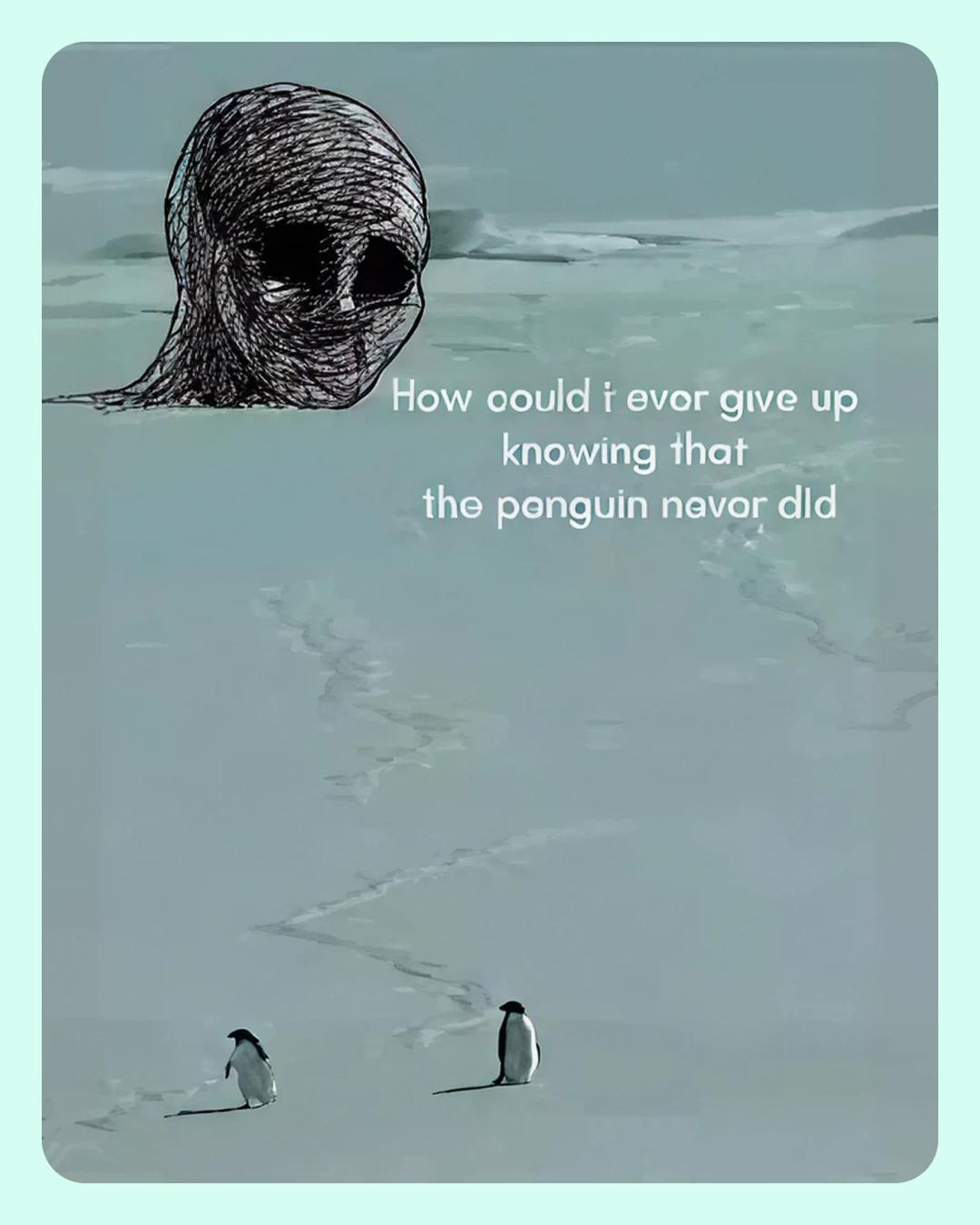
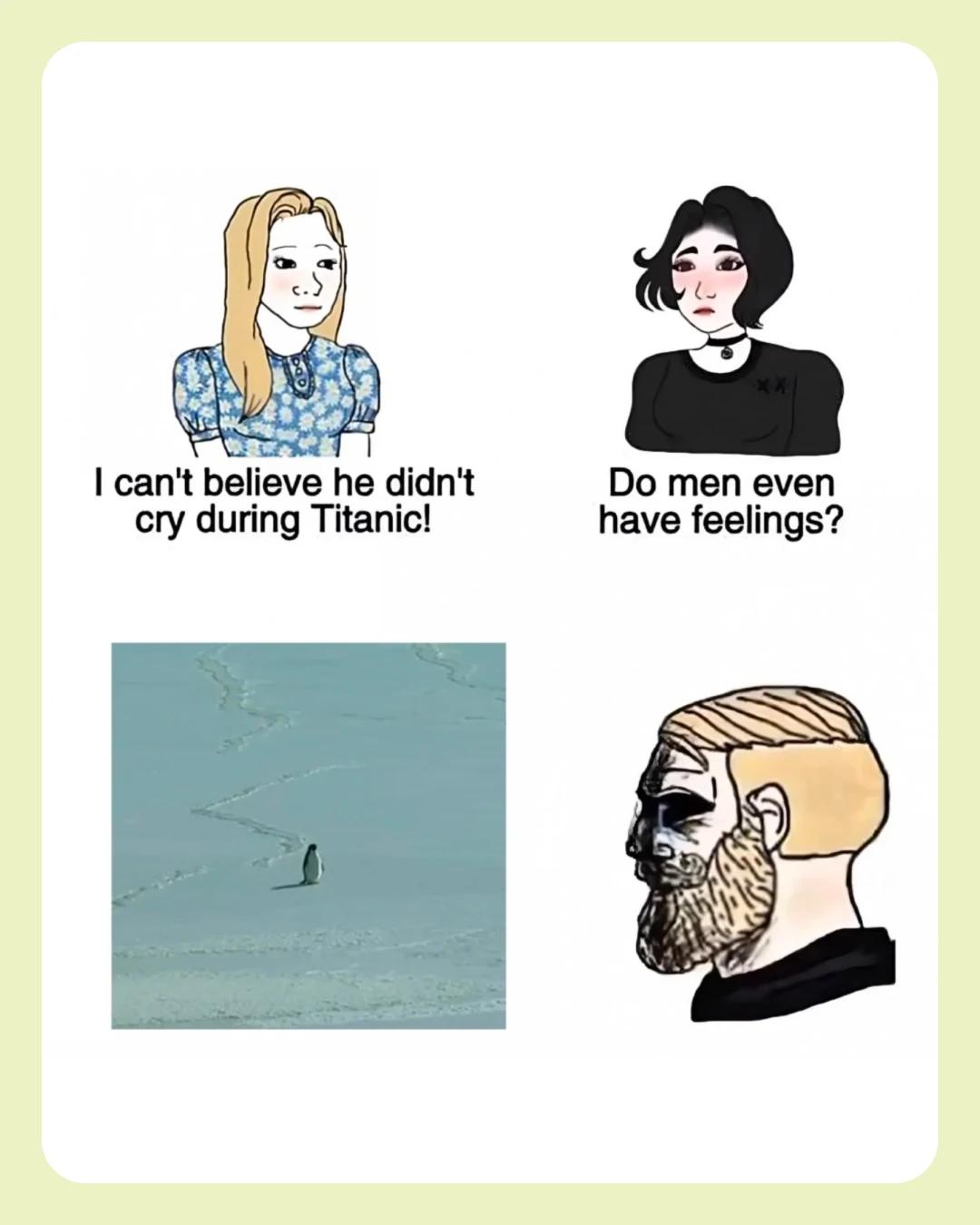
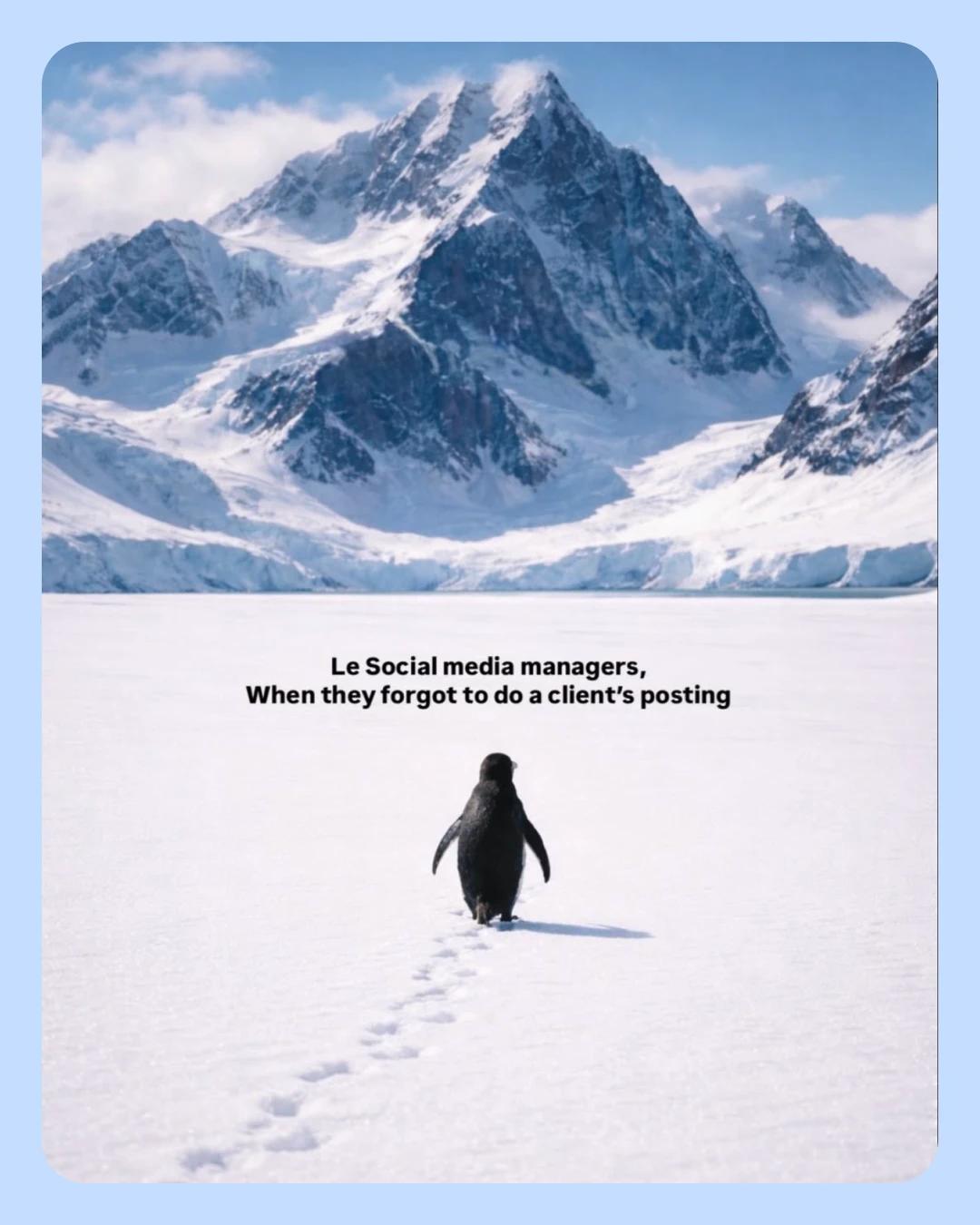
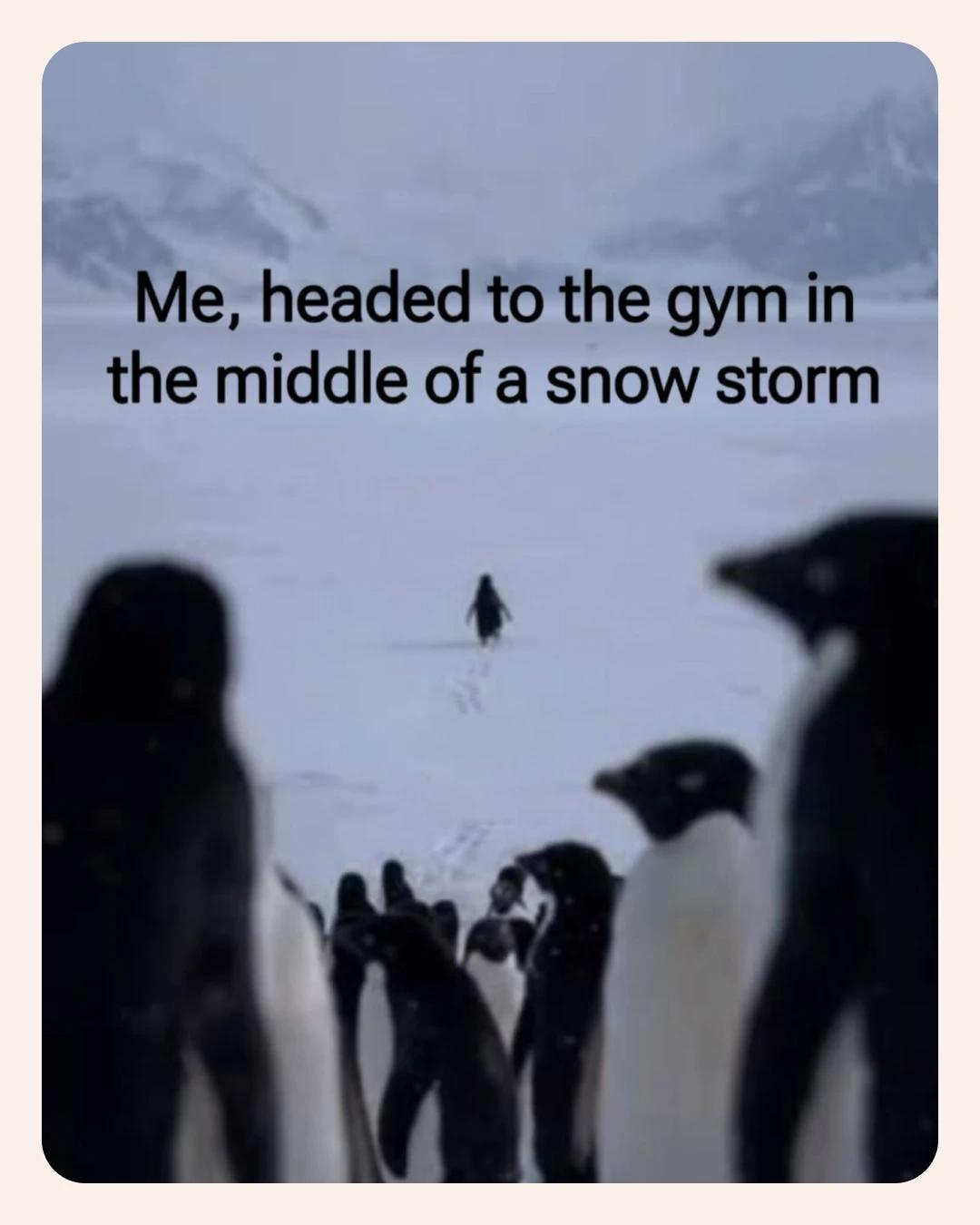
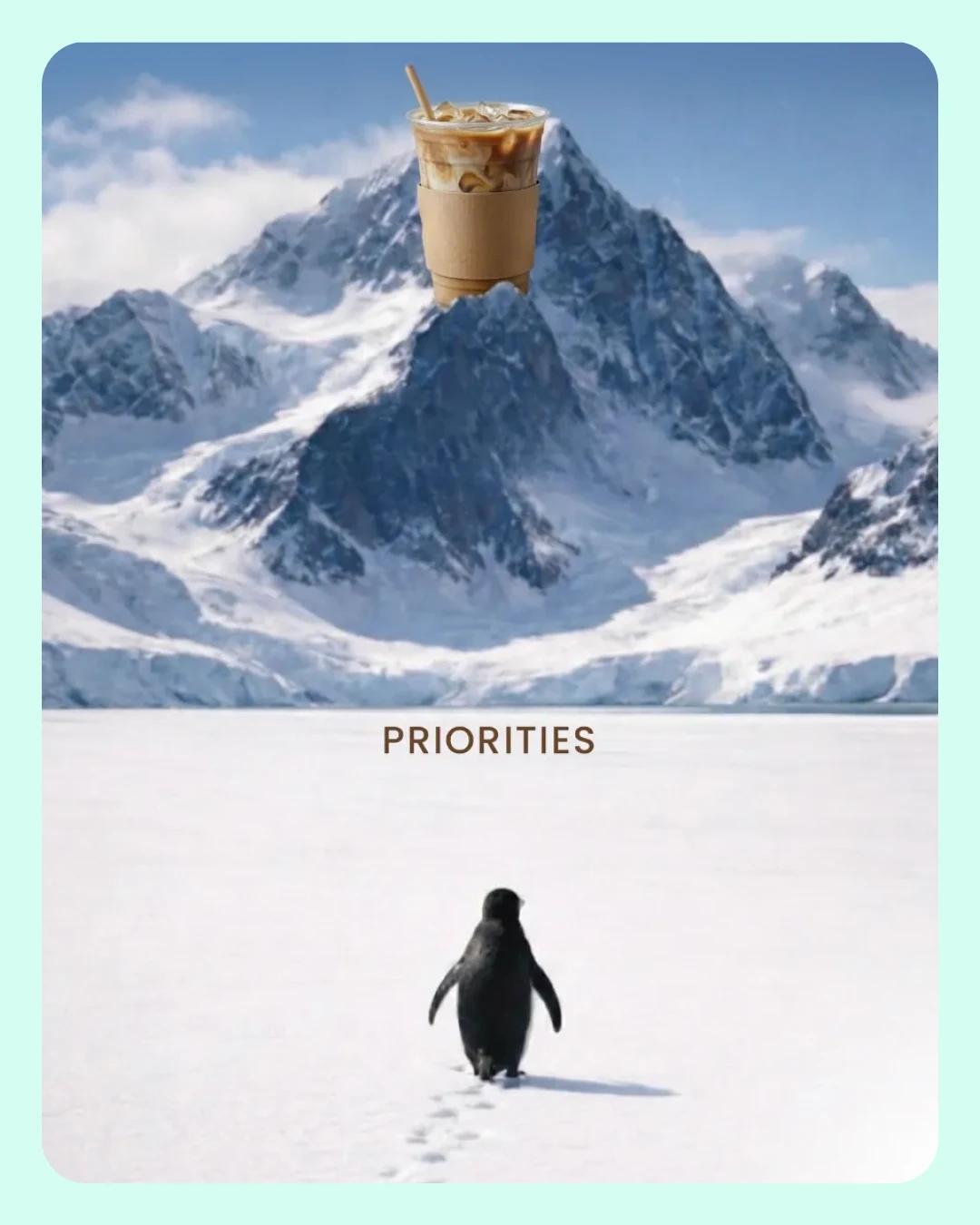
The Nihilist Penguin went viral in January 2026 because millions of people saw that solitary waddle and thought: Yeah. I get it. Not because they want to give up. But because they're exhausted by the performance of not giving up. The affirmations. The morning routines. The relentless optimization of every waking hour into productivity content.
If you feel a strange kinship with a bird confidently marching in the wrong direction, these five books are for you. Not to fix you — you don't need fixing. But to sit with the questions you're already asking, and maybe find something real on the other side.
1. 'I Want to Die but I Want to Eat Tteokbokki' by Baek Sehee
This book is the Nihilist Penguin, translated into 208 pages of therapy transcripts and personal essays. Baek Sehee was a successful social media director at a publishing house in Seoul. She looked fine. She functioned. And underneath, she felt persistently empty — not dramatic enough to justify crisis, not okay enough to stop hurting.
The title captures something most self-help refuses to acknowledge: you can want to disappear and still want your favorite street food. Both things are true at once. The contradiction doesn't cancel itself out. It just is.
Baek's conversations with her psychiatrist read like eavesdropping on someone finally saying the things you've only thought. The self-doubt that loops without resolution. The exhaustion of performing wellness. The guilt about feeling bad when your life looks good on paper. She doesn't arrive at tidy conclusions. She just keeps showing up, session after session, trying to untangle the knots.
This is the book for anyone who's tired of being told to just think positively. Baek's honesty is the antidote to toxic optimism — and somehow, that honesty makes space for something gentler than despair.
2. 'The Uninhabitable Earth' by David Wallace-Wells
Let's address the literal nihilism. The penguin in Herzog's film was walking away from a melting, changing Antarctica. The metaphor writes itself.
Wallace-Wells opens with a sentence that became infamous: "It is worse, much worse, than you think." And then he spends 300 pages proving it. Heat death, food shortages, climate refugees, economic collapse — not as distant possibilities, but as cascading certainties we're already living inside.
Why would anyone read this? Because pretending helps no one. Because the anxious undercurrent running through your days has a real source, and naming it is the first step toward anything resembling clarity. And because, strangely, Wallace-Wells doesn't leave you in despair. He leaves you with the weight of reality, which turns out to be more bearable than the weight of denial.
If the penguin meme resonates because the world feels like it's ending, this book meets you there. Not with false hope, but with the terrifying gift of seeing clearly.
3. 'F*ck Feelings' by Michael Bennett, MD & Sarah Bennett
Most self-help promises transformation. This book promises something more radical: acceptance of what you can't change.
Dr. Michael Bennett is a psychiatrist who spent decades watching patients torture themselves trying to fix unfixable things — bad parents, chronic conditions, personality traits wired too deep to rewire. His daughter Sarah, helped him write a book that essentially says: stop trying so hard.
The Bennetts argue that managing life isn't about healing every wound or achieving perfect emotional health. It's about doing the best you can with a difficult hand, and not hating yourself when your best falls short of Instagram-worthy. They're blunt, profane, and oddly comforting — like a grumpy uncle who loves you enough to tell you the truth.
This is pure Nihilist Penguin energy. The penguin didn't turn around because it had a breakthrough. Sometimes you just keep walking because that's what you can do today.
4. 'Everything Is F*cked: A Book About Hope' by Mark Manson
Fair warning: despite the title, this book is actually about hope. But it earns its way there through philosophical honesty that most optimistic books skip entirely.
Manson's argument is that the modern crisis isn't a lack of comfort — it's a lack of meaning. We've optimized away most physical suffering and replaced it with a gnawing sense that nothing matters. The old stories we told ourselves about purpose (religion, national identity, family legacy) have eroded, and we haven't built anything solid to replace them.
This is the counter-argument to pure nihilism, but it doesn't feel preachy. Manson takes the darkness seriously before suggesting that meaning isn't found — it's constructed. We choose what matters, knowing the choice is arbitrary, and that's somehow enough.
If the other books on this list validate your exhaustion, this one asks: Okay, but what do you want to build anyway? The penguin walked toward the mountains. What's your mountain?
5. 'Beyond Good and Evil' by Friedrich Nietzsche
Yes, actual Nietzsche. Stay with me.
There's a concept in this book that maps perfectly onto the penguin's departure: "herd morality." Nietzsche observed that most people follow the crowd not because the crowd is right, but because following is safe. The rules, the routines, the expectations — they're not truths. They're just habits that happen to be popular.
The penguin left the colony. It stopped following the path everyone else followed. Nietzsche would call that the first step toward authentic existence — not because the mountains offered something better, but because the penguin stopped pretending the colony's direction was the only direction.
Is the book dense? Yes. Is it dated in places? Absolutely. But the core insight lands harder in 2026 than it did in 1886: the scripts you're living by aren't cosmic laws. They're conventions. And you don't have to follow them just because everyone else does.
📘 For a friendlier entry point, start with Headway's summary to get the key ideas, then decide if you want the full philosophical deep-dive.



The penguin wasn't lost. It just stopped pretending
Here's what the meme gets right: there's something honest about walking away from a script that stopped making sense. Not because you've given up, but because you're done performing certainty you don't feel.
These five books won't cure your existential dread. They won't optimize your morning routine or teach you to manifest abundance. What they will do is meet you where you actually are — exhausted, questioning, maybe a little lost — and offer something rarer than solutions: honest company.
Baek Sehee shows you that high-functioning emptiness is real and survivable. Wallace-Wells names the dread you already feel. The Bennetts give you permission to stop trying to fix everything. Manson asks what you want to matter. Nietzsche reminds you that the colony's path was never the only option.
You don't need to read all five this week. Pick the one that speaks to where you are right now. If you want to move faster, Headway offers 15-minute summaries of each — enough to decide if a book deserves your full attention.
The penguin looked back once before turning toward the mountains. Maybe it wasn't walking toward death. Maybe it was just walking toward something more honest than the performance of survival.
📘 Start your own reading list now — no judgment, no hustle, just questions worth asking.
Frequently asked questions on the nihilist penguin topic
What is a nihilist penguin?
The Nihilist Penguin comes from Werner Herzog's 2007 documentary Encounters at the End of the World. In the film, a lone Adélie penguin stops following its colony toward the ocean, turns around, and begins walking inland toward distant mountains — a journey Herzog describes as heading toward "certain death." The penguin doesn't hesitate or look back. It simply walks away from everything familiar, alone, into the void.
What is the penguin meme in 2026?
In January 2026, the Nihilist Penguin exploded across TikTok and Instagram, becoming one of the year's biggest viral moments. Users pair the footage with a haunting pipe organ cover of "L'Amour Toujours" and captions about burnout, quitting, and walking away from life's chaos. The meme resonates because millions see themselves in that quiet, confident march in the wrong direction — not giving up, just done with the script.
What is the penguin soulmate theory?
The penguin soulmate theory refers to the romantic belief that penguins mate for life and remain devoted to one partner forever. During courtship, male penguins search for the perfect pebble to present to their chosen mate — if she accepts, they bond. While this sounds beautifully loyal, science tells a messier story: many penguin species actually "divorce" between seasons. Emperor penguins, for example, choose new partners up to 85% of the time.
What song do the Pittsburgh Penguins come out to?
The Pittsburgh Penguins skate onto the ice to "The Boys of Winter," their iconic entrance anthem that's been hyping up fans for years. When they score at home, the arena erupts to "Party Hard" by Andrew W.K. — a goal song that became official in 2015 after fans campaigned relentlessly on social media until the team made it happen. Pure Pittsburgh persistence.
Is Werner Herzog religious?
Werner Herzog doesn't believe in God — but it's complicated. As a teenager, he went through an intense Catholic phase and formally converted, though he later stepped away from the Church entirely. Yet his films remain deeply spiritual, exploring faith, mysticism, and human transcendence across cultures. He once said he sometimes feels "touched by the grace of God — even if I don't believe in God." That paradox is pure Herzog.