Self-growth
 Apps & Digital Tools
 Business & Career
 Success
 Growth Tools
 Psychology
 Communication
 Relationships


In a 12-day Finnish study of 48 people, acting talkative and sociable lifted mood in the moment and raised fatigue about three hours later. Interestingly, it did so for introverts and extroverts alike.
While the sample was small and researchers urge replication, the pattern matches what many people describe: a good evening out, followed by a flat, drained stretch afterward.
Social burnout is a state of emotional, mental, and physical exhaustion. It builds when social demands consistently outrun your chance to recover. Recognizing the early signs of social burnout can help prevent total isolation.
The need for solitude does not indicate antisocial behavior; it is a basic human requirement. Please note that social burnout is not a clinical diagnosis.
📘 Get Headway and learn about social burnout from the summaries of nonfiction titles by world-renowned authors and experts.
*Note: This article is general information, not medical advice.

Quick summary: Social burnout in brief
What should you know about social burnout? Here's a quick overview:
Social burnout is exhaustion from too much social demand.
It affects introverts and extroverts alike.
Signs include fatigue, brain fog, irritability, and wanting to escape.
Recovery needs alone time, breaks, and clear boundaries.
Persistent exhaustion or low mood deserves professional support.
What social exhaustion looks like
Common symptoms of social burnout include emotional exhaustion, social withdrawal, and irritability. Because signs of social burnout can develop gradually over time, you might miss them until you feel entirely depleted.
1) Physical health and physical signs
Physical signs include headaches and chronic fatigue after social events. You might feel physically exhausted after a weekend of commitments, waking up on Monday with a heavy, aching body.
2) Mental health and cognitive signs
Cognitive signs include brain fog and difficulty following conversations. The cognitive load of processing body language, tracking multiple voices, and trying to respond appropriately drains your focus entirely.
3) Emotional and behavioral signs
Emotional signs include feeling disconnected or wanting to escape. Behavioral signs include withdrawing from conversations and checking your phone excessively. You might lose track of time scrolling just to avoid eye contact.
Social exhaustion can lead to irritability and anxiety, damaging your overall well-being if left unchecked. If persistent fatigue or a severely low mood continues for an extended period, talk to a doctor or a mental health professional.
To see how these signs overlap with broader professional exhaustion, exploring the symptoms of burnout can provide helpful context.
Your social battery and social fatigue
Social battery refers to your finite energy for social interactions. Everyone has a unique social battery capacity and drain rate based on their personality type and life circumstances.
Social interactions require cognitive and emotional processing energy. Different kinds of interaction drain differently. Navigating large groups or group activities requires far more energy reserves than spending quiet time with one close friend.
While pop culture suggests otherwise, social burnout can affect both introverts and extroverts. The Finnish study serves as evidence that social fatigue follows social effort for everyone, regardless of where they fall on the introversion scale. Social battery depletion can lead to feelings of anxiety and isolation if you push past your limits.
📘 Need a quick reset? Try the Headway app for 15-minute book summaries that fit perfectly into your downtime.
What causes social burnout and how to stop the cycle
Social burnout is caused by excessive or prolonged social interaction obligations and emotional labor.
Overcommitting: Overcommitment to social events leads to exhaustion. If you avoid overcommitting, you preserve energy for what matters.
Emotional labor: Managing other people's feelings and providing constant emotional support takes a heavy toll.
No boundaries: Lack of boundaries in social interactions causes feelings of overwhelm.
External pressures: Work or school demands can contribute to social exhaustion. Additionally, unrealistic expectations from social media contribute to social exhaustion by making you feel you are missing out.
Sensory input: Environments with loud noises and bright lights drain your capacity quickly.
How social burnout builds
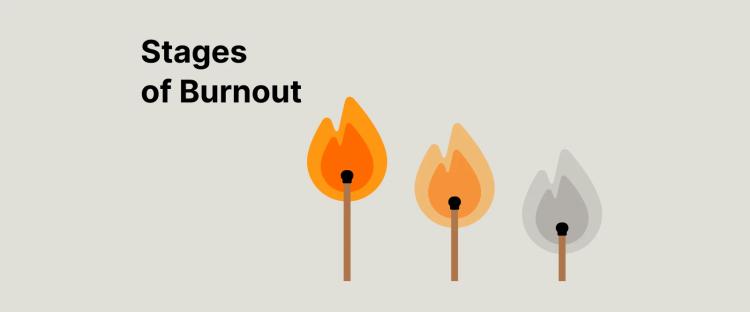
It develops gradually, so early signs are easy to miss. In the early stages, you might just feel a bit tired after a party. In the middle stages, social situations feel like chores, and your natural behaviors shift toward avoidance.
By the late stages, ignoring warning signs of social burnout can lead to chronic exhaustion and withdrawal. You stop making meaningful connections altogether. Understanding the 12 stages of burnout shows exactly how ignoring mild stress turns into complete isolation.
Social burnout, social anxiety, and autistic burnout
| Feature | Social burnout | Social anxiety | Autistic burnout |
|---|---|---|---|
Timing | Exhaustion occurs after social interactions, not before. | Involves fear of judgment before and during social situations. | Long-term exhaustion from masking and chronic overload. |
Core feeling | Drained, flat, and physically exhausted. | Worried, tense, and feeling overwhelmed by social settings. | Overwhelmed, leading to a loss of basic skills and functioning. |
Recovery | Recovery from social exhaustion requires rest and solitude. | Often requires treatment with a clinician to manage. | Reduced demands, deep rest, and specialized support systems. |
Status | Not a clinical diagnosis. | A recognized condition that can be treated. | A recognized phenomenon within neurodivergent communities, not a standard diagnosis. |
Sensory overload affects social exhaustion, especially in ADHD individuals. The ADHD brain processes environmental stimuli differently, meaning crowded rooms cause rapid drain.
While neurotypical individuals might easily filter out background noise, people with neurodivergent traits often cannot.
*Note: These experiences can overlap, and this article cannot diagnose any condition.
A quick self-check to identify patterns
A short check is a reflection tool, not a diagnosis.
Do social activities leave me feeling drained for days?
Am I increasingly irritable with my important relationships?
Do I need a massive amount of recovery time after running a simple errand?
If you answered yes, you need to adjust your habits. Reviewing an am I burned out checklist can help you articulate these feelings to loved ones.
How to recover with self-compassion and set boundaries
Recovery requires a proactive approach to regain control of your daily life. Schedule intentional alone time can alleviate social burnout symptoms. Take breaks between social engagements to support recovery from social burnout.
Setting firm boundaries is essential in preventing social burnout. Communicate your need for alone time to others honestly.
Practicing self-care and ensuring adequate rest supports recovery from social burnout. Prioritize self-care to combat social exhaustion by establishing sustainable self-care routines.
Digital detoxes can assist in preventing social burnout when the digital world starts to feel overwhelming. Prioritizing quality over quantity in social interactions can help manage social burnout by protecting your energy levels. If noise is a trigger, wearing noise-canceling headphones during commutes makes a significant difference.
📘 Stop saying yes when you mean no. Download Headway to access bite-sized insights on boundary-setting and emotional regulation.
Social burnout at work
Open-plan offices and networking events place a massive cognitive load on employees. You must set clear boundaries between work and personal life. Do not answer work messages after hours. If your workplace is draining you, understanding occupational burnout helps you advocate for quieter working arrangements.
Social burnout at school and college
Dorm life and group work mean you are rarely alone. Social connections can become exhausting when insufficient time to recharge is available.
You have to actively find quiet places on campus to hide out. If you are a student, reading about academic burnout can help you protect your study time from endless social commitments.

When to seek professional support
If your exhaustion leads to severe anxiety or a dangerously low mood, you need the right strategies from an expert. Persistent exhaustion or low mood warrants professional support.
Licensed therapists can help you identify your social battery drain types to manage energy and build practical strategies for your specific life. Social anxiety often requires therapy or medication for management, which a professional can safely provide.
Understand your energy with Headway!
Social burnout is rough, but you can learn to navigate your social life more effectively with insights from these top books:
'Quiet' (Susan Cain): Tip: Learn exactly how you recharge. Exercise: List three settings that restore you and three that drain you completely.
'The Highly Sensitive Person' (Elaine N. Aron): Tip: Notice your specific sensory triggers. Exercise: Note which noise, light, or crowd drains you the most this week.
'Daring Greatly' (Brené Brown): Tip: Say what you need without any apology. Exercise: Write one polite sentence declining an event kindly.
'How to Win Friends and Influence People in the Digital Age' (Dale Carnegie): Tip: Choose one-on-one time over massive crowds. Exercise: Message one person for a short, meaningful call.
'The Happiness Project' (Gretchen Rubin): Tip: Build routines strictly around your energy. Exercise: Schedule one protected, non-negotiable evening at home each week.
📘 Take control of your time. Try Headway today to read or listen to these summaries in just 15 minutes.
FAQs about social burnout
What is social burnout?
Social burnout is a state of emotional, mental, and physical exhaustion. It happens when you spend time overextending yourself with social obligations without securing enough downtime to recover.
What are the signs of social burnout?
Common symptoms of social burnout include emotional exhaustion, social withdrawal, and irritability. You might also experience brain fog, physical fatigue, and a strong desire to escape social situations early.
Is social burnout the same as social anxiety?
No. Social exhaustion occurs after social interactions, not before. Social anxiety involves fear of judgment before social situations, whereas burnout is the depletion of energy following the interaction.
Do introverts get social burnout more than extroverts?
Social burnout can affect both introverts and extroverts. While everyone recharges differently, anyone can deplete their social battery if they ignore their limits.
What is a social battery?
Social battery refers to your finite energy for social interactions. Once it runs out, you lose the ability to engage enthusiastically and require rest to refill it.
How long does it take to recover from social burnout?
Recovery time varies widely. Minor fatigue might clear up after a single quiet weekend, while chronic social burnout from an extended period of overcommitment might require weeks of strict boundaries and rest.
How do I set boundaries without hurting friends?
Be honest but brief. Schedule regular breaks to recharge during social events, and clearly communicate your need for alone time to others without over-explaining or apologizing for your basic needs.
When should I seek professional support?
If your social exhaustion leads to feelings of loneliness and isolation that you cannot shake, or if you develop severe anxiety, persistent exhaustion, or low mood, you should seek professional support. Seek support to find healthy coping mechanisms.