Self-growth
 Apps & Digital Tools
 Business & Career
 Success
 Growth Tools
 Psychology
 Communication
 Relationships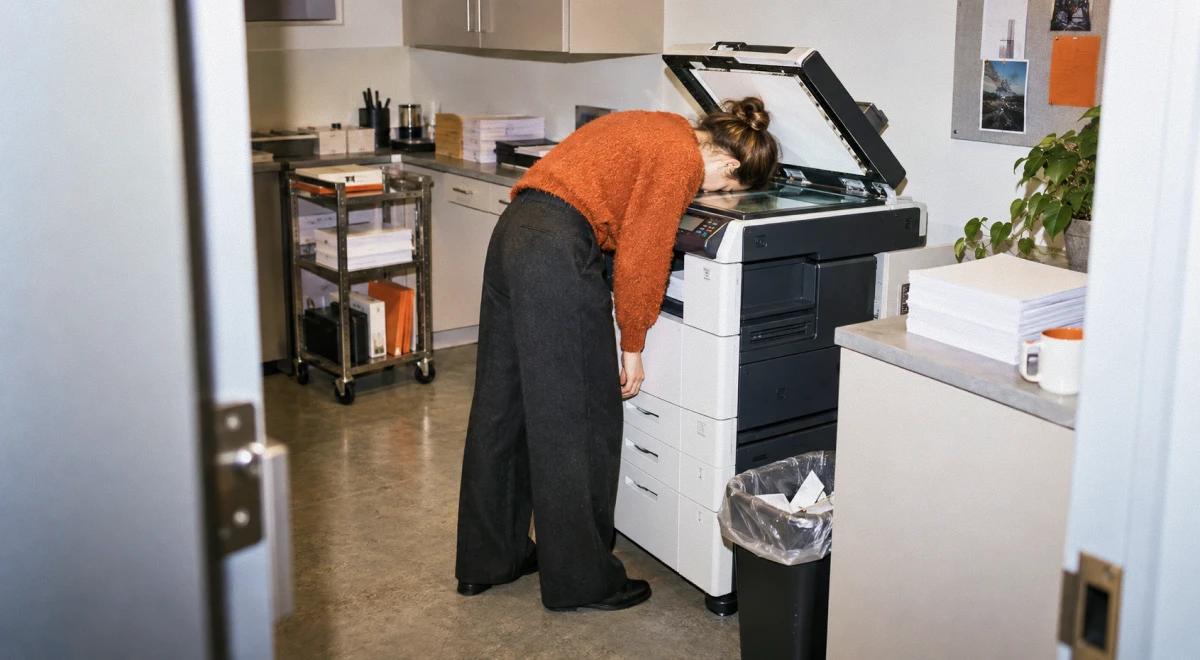

According to Gallup research, 76% of employees say they experience burnout on the job at least sometimes, and 28% say it happens very often or always.
That number proves that occupational burnout is a documented, work-related stress pattern that shows up across entire industries, not just in people who “aren't tough enough.”
This guide walks you through what occupational burnout actually is, how to tell it apart from depression, and what recovery looks like in practice. Books like Emily and Amelia Nagoski's 'Burnout: The Secret to Unlocking the Stress Cycle' and Cal Newport's 'Deep Work' show up later with exercises you can actually use.
If you want a low-effort way to start applying any of it, Headway turns ideas like these into 15-minute summaries you can fit into a lunch break.
Try Headway and get expert insights from top nonfiction books!
Disclaimer: This article is for informational purposes and reflects general research on occupational burnout. It isn't a substitute for medical or mental health advice, and results from any recovery approach vary by person. Headway is a daily microlearning and personal growth app, not a diagnostic or medical tool. If you're struggling, please talk with a doctor or a mental health professional.

Quick summary: Occupational burnout at a glance
Here's the short version before we get into the details.
Occupational burnout is a syndrome caused by chronic, unmanaged workplace stress.
The World Health Organization classifies it under ICD-11 as an occupational phenomenon, not a medical condition.
It has three markers: emotional exhaustion, cynicism or mental distance, and reduced professional efficacy.
Common causes include unclear job expectations, work-life imbalance, and remote work burnout.
Recovery usually involves setting boundaries, rest, physical activity, and small daily learning habits.
Keep reading for the full breakdown, including a self-check quiz and a real recovery plan.
What is occupational burnout?
Occupational burnout is a syndrome the World Health Organization describes as resulting from chronic workplace stress that hasn't been successfully managed. That's the official ICD-11 language, and it's worth sitting with for a second.
Here's the part people miss: the WHO classifies it as an occupational phenomenon, not a medical diagnosis. That's a shift from how ICD-10 handled things. Burnout affects your health, but it's rooted in your job, not your body chemistry.
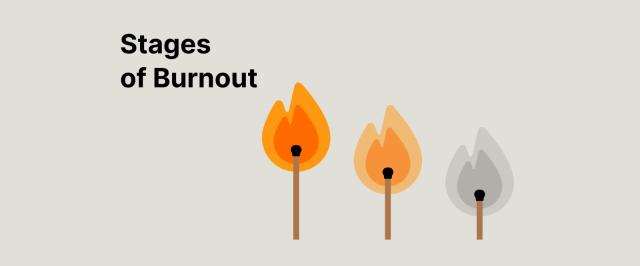
This distinction matters because it moves the blame off the individual. You can read more about the full progression in our breakdown of the 12 stages of burnout, which shows how small daily stress compounds over months, not days.
📘 Weigh your next move with support from Headway!
Take the burnout self-check quiz: How close are you to burning out?
Answer honestly. There's no score to game here, just a clearer picture of where you stand.
Occupational burnout vs stress vs depression: How to tell them apart
People throw these terms around like they're the same thing. They're related, but the differences matter for figuring out what actually helps.
| Factor | Work stress | Occupational burnout | Depression |
|---|---|---|---|
Core feeling | Overwhelmed but engaged | Exhausted and detached | Persistent low mood, hopelessness |
Scope | Situational, tied to a project | Work-specific, chronic | Affects all areas of life |
Energy pattern | Spikes then settles | Steadily depleted | Flat and low across the board |
What helps | Short-term coping, deadlines passing | Boundaries, rest, role changes | Support from a mental health professional |
Burnout and a depressive condition can overlap, and that overlap is real. If low mood follows you home, shows up on weekends, and doesn't lift once you're away from work, that's worth raising with a mental health professional rather than assuming it's just job burnout.
📘 Find clarity on what you're actually feeling with Headway!
The three core signs: Emotional exhaustion, cynicism, and reduced efficacy
Psychologist Christina Maslach built a tool called the Maslach Burnout Inventory around three dimensions. Here's how each one shows up in real life, not just in a textbook.
Emotional exhaustion. You feel drained before the workday even starts. Physical and emotional exhaustion tend to travel together here, often showing up as headaches, insomnia, and general fatigue that a weekend doesn't fix.
Cynicism, or mental distance. You start dreading meetings you used to enjoy, and a flat, checked-out disengagement replaces the effort you used to bring.
Reduced professional efficacy. Tasks that used to feel manageable now feel impossible. This dimension is sometimes described as a loss of personal accomplishment, and it often comes with cognitive impairment, like trouble focusing or forgetting simple things.
If any of this sounds familiar, our full guide on the symptoms of burnout covers each sign in more depth, along with how they tend to build on each other over time.
What causes occupational burnout at work
Researchers use something called the job demands-resources model to explain most cases. In plain terms, it's a math problem: too many demands, not enough resources to meet them.
Demands include a heavy workload, unclear job expectations, and constant interruptions. Resources include support from a manager, autonomy over your own schedule, and recognition for the work you actually do. When demands outpace resources for long enough, workplace burnout follows.
Modern work adds its own pressure. Remote work burnout and work-from-home burnout have become their own categories, largely because always-on culture blurs the line between office hours and everything else. Work-life imbalance stops being an occasional problem and becomes the default.
The consequences reach past how you feel at your desk. Chronic occupational stress is linked to a higher risk of heart disease, along with rising absenteeism as people call out more often. It also shows up in burnout and productivity numbers, burnout and job satisfaction scores, and the quiet, low-effort coasting people now call burnout and quiet quitting.
How to deal with burnout at work without quitting yet
You don't need to quit tomorrow to start feeling better. These are small, specific moves that add up.
Name it out loud. Tell your manager you're feeling burnt out rather than just “busy.” That word carries weight and often opens up options you didn't know existed.
Renegotiate one task. Pick the single most draining recurring task on your plate and ask if it can shift to someone else or get simplified.
Block real recovery time. Put it on your calendar like a meeting, because if it's not scheduled, it won't happen.
Separate notifications. Turn off work alerts on your personal phone during evenings and weekends, even if it's just for a trial week.
Practice self-care without guilt. Burnout self-care isn't about a spa day. It's a short walk, a real lunch break, or five minutes of quiet before the next meeting.
For a longer look at balancing recovery with a full workload, our guide on how to recover from burnout while still working goes step by step.
📘 Get practical burnout coping strategies with Headway!
Recovering from burnout: What actually works, according to research
Recovery from occupational burnout isn't one single fix. It's a handful of small interventions that work better together than alone.
Physical activity is one of the most consistent findings. Even a 20-minute walk changes your stress hormones enough to matter. Mindfulness practice, like a short breathing exercise before opening your inbox, helps interrupt the cycle before it spirals further into the day.
Sleep repair matters too. If insomnia has become routine, fixing your wind-down routine often does more for recovery from burnout than any single productivity hack.
Want your motivation back? Start smaller than feels reasonable. One task, finished, beats a full to-do list you never touch.
Want your energy back after burnout? Protect one recovery habit daily, even a five-minute one, before you try to fix everything else.
Want to enjoy work again? Reconnect with one part of your job you used to actually like, and give it more room this week.
Professionals sometimes track progress using tools like the Copenhagen Burnout Inventory or the Oldenburg Burnout Inventory, which measure work-related stress and energy over time.
Top five expert-backed tips to rebuild your energy
A handful of nonfiction books offer exercises that pair well with everything above. None of these replace real recovery, but they give you something concrete to try today.
Tip 1. Try completing the stress cycle with movement, or a long exhale before starting your next task.
Tip 2. Script one sentence you can use to decline a non-essential request this week.
Tip 3. Protect one 90-minute block, free of notifications, for the task that actually matters.
Tip 4. Try a short body scan before opening email in the morning.
Tip 5. List three tasks that genuinely matter today and let the rest wait.
Headway's 15-minute summaries let you sample the core idea from any of these before committing to the full book. The app pairs audio and text formats, personalized growth plans based on your goals, and spaced repetition flashcards that help ideas actually stick instead of fading by lunch.
Offline mode and CarPlay or Android Auto support mean a summary fits into a commute just as easily as a lunch break, and daily streaks keep the habit going without turning it into another chore.
Should you quit because of burnout?
This isn't a question with one right answer, but a framework helps.
Ask yourself what changes if the role, your manager, or your workload shifted tomorrow. If the answer is “everything,” the problem may be specific to this job. If the answer is “not much,” the pattern might follow you anywhere until you address it directly.
Signs you need to leave your job tend to include repeated broken promises about workload, no support from leadership after you've raised concerns, and a values mismatch that no schedule change will fix.
Signs you need a break from work, rather than a full exit, usually look more temporary: a rough quarter, a short-staffed team, or a project that's almost done.

How to prevent burnout before it starts again
Burnout prevention comes down to catching the early signs before exhaustion becomes the default setting.
Setting boundaries around your calendar and your after-hours availability matters more than any single wellness tip. So does watching for unclear job expectations before they pile up into resentment.
A sustainable work-life balance isn't a perk; it's the actual buffer between normal job stress and full-blown occupational stress.
If low mood or hopelessness ever creeps in alongside the exhaustion, that's worth flagging to a mental health professional. Burnout and mental health problems can overlap, and catching that overlap early makes everything else easier to manage.
📘 See if a small daily habit helps with Headway!

Turn recovery time into growth time with Headway
Occupational burnout starts as a slow drain and ends up touching your focus, your health, and how you feel about work altogether. The path back runs through naming what's happening, setting real boundaries, and giving your body the rest and movement it's been asking for.
None of that has to happen all at once. Headway breaks big ideas from books like 'Burnout: The Secret to Unlocking the Stress Cycle' and 'Boundaries' into 15-minute summaries you can read or listen to, with personalized growth plans, spaced repetition to help the ideas stick, and offline access for whenever you actually have a spare minute.
If you're looking for a low-pressure way to start rebuilding, download Headway and swap one scroll break this week for a summary instead. Small, consistent steps tend to beat any all-or-nothing reset.
FAQs about occupational burnout
How long does it take to recover from occupational burnout?
Recovery timelines vary widely depending on severity and how much control you have over your workload. Mild cases can improve in a few weeks with consistent boundaries and rest. More advanced burnout, especially with physical symptoms like insomnia or heart disease risk, can take several months of sustained changes, sometimes alongside support from a mental health professional.
Can you get occupational burnout from working remotely?
Yes. Remote work burnout and work-from-home burnout are recognized patterns, often driven by blurred boundaries between work and personal time. Without a commute to mark the end of the day, people tend to keep checking email later into the evening, which quietly extends work-related stress well past normal hours.
What jobs have the highest rates of occupational burnout?
Healthcare workers, teachers, social workers, and customer service roles consistently report some of the highest rates of burnout in high-stress jobs. These roles combine heavy emotional demands with limited resources, which lines up directly with the job demands-resources model researchers use to explain occupational burnout.
What's the difference between the Maslach and Copenhagen burnout inventories?
The Maslach Burnout Inventory measures three dimensions: emotional exhaustion, cynicism, and reduced professional efficacy. The Copenhagen Burnout Inventory takes a broader view, separating personal burnout, work-related burnout, and client-related burnout, which makes it useful for roles involving heavy client or patient contact, like healthcare or education.
What is occupational burnout according to the WHO?
The World Health Organization classifies occupational burnout under ICD-11 as an occupational phenomenon resulting from chronic workplace stress that hasn't been successfully managed. It's specifically not classified as a medical condition, though it clearly affects physical and mental health over time.
What are the three signs of occupational burnout?
The three official markers are emotional exhaustion, cynicism or mental distance, and reduced professional efficacy. Physical companions often include fatigue, headaches, insomnia, and cognitive impairment, which is why burnout tends to show up in the body just as much as in your attitude toward work.
Is occupational burnout the same as depression?
No, though they can overlap. Burnout is tied specifically to work and often improves with boundaries, rest, or a role change. A depressive condition tends to affect every part of life, not just the job, and typically needs support from a mental health professional rather than workplace changes alone.
How do I know if I need to quit my job over burnout?
Consider what changes if your role, manager, or workload shifted. If the exhaustion is tied to a specific, fixable situation, a role change might solve it. If it's a values mismatch or a pattern with no realistic fix in sight, that's a stronger signal it might be time to look elsewhere.