Self-growth
 Apps & Digital Tools
 Business & Career
 Success
 Growth Tools
 Psychology
 Communication
 Relationships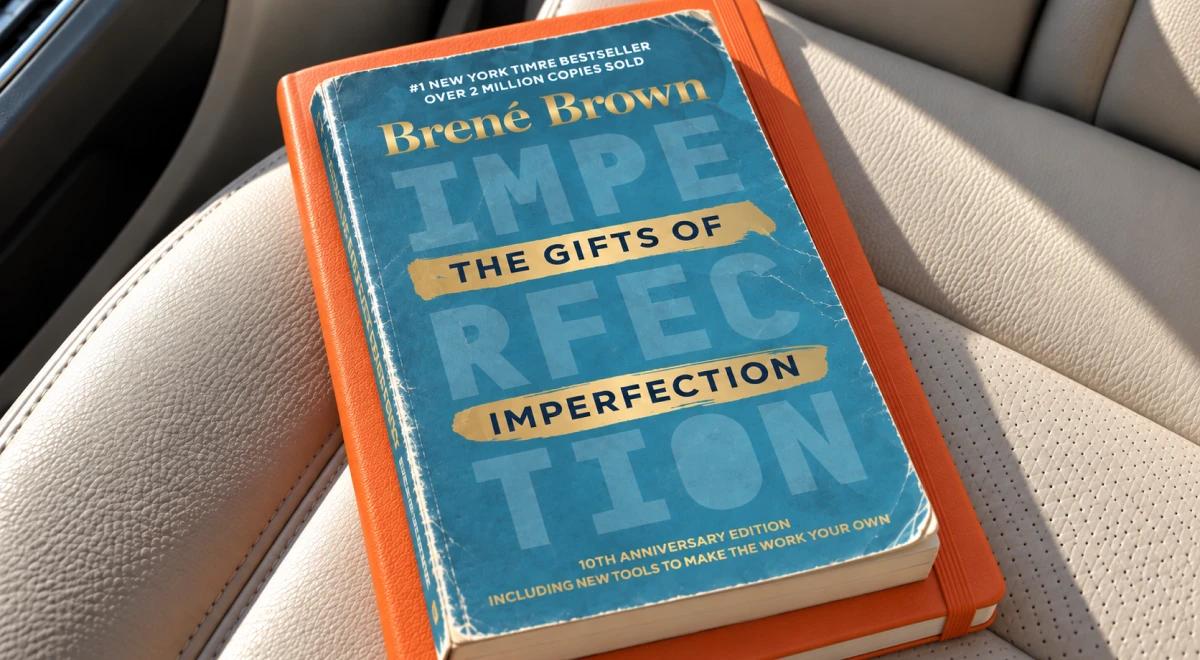

The best books on perfectionism arrive at a time when the problem is growing. A meta-analysis of 41,641 college students in the US, UK, and Canada found that perfectionism climbed steadily between 1989 and 2016.
From the outside, perfectionist tendencies often look like ambition. Inside, they feel like a report card that never stops printing. This list mixes memoir, research, and CBT workbooks on perfectionism, with voices like Brené Brown, Kristin Neff, and Carol S. Dweck.
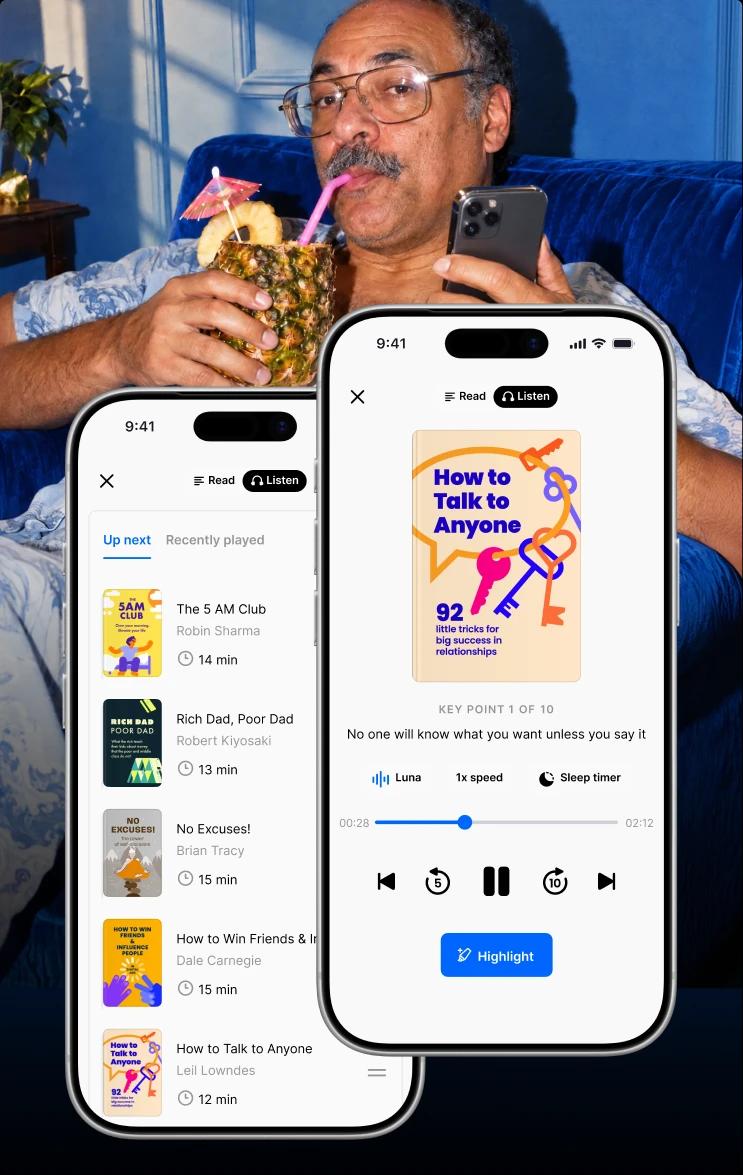
Want a quick taste before you buy a whole book? The Headway app turns these titles into 15-minute summaries you can read or listen to, so you can test an author's ideas in one sitting.
Download Headway today, then start with the name you already know and see how it lands.

Quick summary: The best books on perfectionism to start with this year
The short version:
Brené Brown's books describe perfectionism as a shield against shame.
Kristin Neff's research links self-compassion with lower perfectionism.
Carol S. Dweck's book treats mistakes as information you can use.
Roz Shafran's team wrote a CBT guide built on a clinical model.
Five picks come as 15-minute Headway summaries you can read or listen to.
Keep reading for the full list, with a pick for every kind of inner critic.
Best books on perfectionism for building self-esteem and quieting self-criticism
Harsh self-criticism keeps many perfectionists stuck. These three books help you deal with it and build self-esteem and a steadier sense of self-worth from a kinder starting point.
All three are available as Headway summaries. If you want more titles like these, browse the best self-help books for women.
1. 'The Gifts of Imperfection' by Brené Brown
Best for: Readers whose perfectionism grows from fear of judgment.
Brown, a shame researcher, first published this book in 2010 and built it around ten guideposts for wholehearted living.
Letting go of perfectionism is one of them. She describes perfectionism as a shield people carry to avoid blame, judgment, and shame. A simple takeaway: when you catch yourself wondering what others will think, ask how you could improve.
2. 'Daring Greatly' by Brené Brown
Best for: Readers who hide mistakes to look capable.
Published in 2012, this book takes its title from a Theodore Roosevelt speech about the person who fails while daring greatly. Brown names perfectionism as one of the shields people use to avoid feeling exposed.
Her steps for shame resilience lean on empathy and honest talk with someone you trust. A chapter on wholehearted parenting speaks to anyone raising kids.
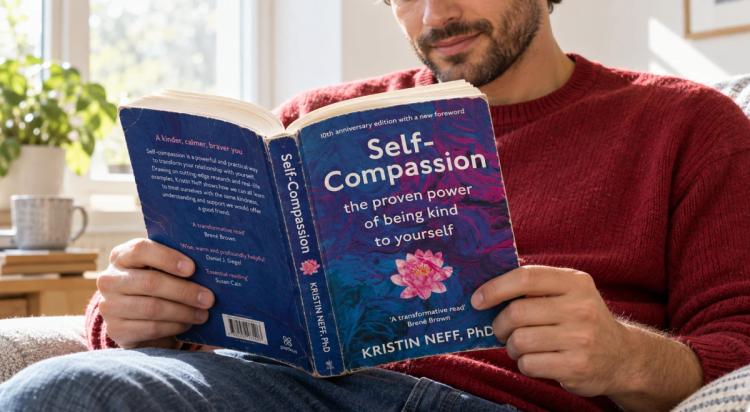
3. 'Self-Compassion' by Kristin Neff
Best for: Readers whose inner critic sounds harsher than any friend.
Neff, a psychologist at the University of Texas at Austin, published this book in 2011. She stresses treating yourself the way you'd treat a friend, and she builds the idea on three parts: self-kindness, common humanity, and mindfulness.
In her research, higher self-compassion went with lower perfectionism and showed no link to lower personal standards. So you can keep big goals and lose the harsh commentary.
Best books on perfectionism for finding a more balanced mindset
Perfectionists often see only two outcomes: flawless or failure. This pick offers a more balanced approach and helps you find balance, so you can achieve big goals and still leave room to grow.
4. 'Mindset' by Carol S. Dweck
Best for: High achievers who freeze before starting because failure feels risky.
Dweck, a Stanford psychologist, published this book in 2006. She contrasts two mindsets. In a fixed mindset, a setback reads as a verdict on your ability. In a growth mindset, a setback is information for the next attempt.
That shift in perspective changes your relationship with mistakes and lets you treat feedback as data. It's available as a Headway summary.
Best books on perfectionism that explain where the pattern started
Sometimes the fastest way to loosen a habit is to see where it began. Focusing on the root cause helps clear the way for self-acceptance. If you realized halfway through school that good enough felt unsafe, this section is for you. The habit usually had a reason, and nothing is wrong with you for having it.
5. 'Will I Ever Be Good Enough?' by Karyl McBride
Best for: Women who trace their need to be flawless back to a parent's approval.
McBride, a family therapist, wrote this 2008 book for daughters of narcissistic mothers, so that it won't fit every reader. It describes how conditional love can leave grown daughters chasing approval. Perfectionism and self-criticism are common side effects.
Her recovery steps include grieving the support you missed, setting boundaries, and building a comforting inner voice. It's also a Headway summary. If psychology is new to you, this list of psychology books for beginners is a friendly next step.
📘 Get the roots of perfectionism explained in plain language on Headway!
Practical tools and workbooks for breaking perfectionist habits
Stories help, but habits change through practice. These three titles offer practical strategies. Pick one idea and act on it this week. For a longer shelf, the best self-improvement books list has plenty more.
6. 'Overcoming Perfectionism: How to Let Go of Self-Criticism, Build Self-Esteem, and Find Balance' by Clive Reed
Best for: Busy readers who want a short listen with real examples.
Clive Reed offers practical tools in a compact package: case studies, professional advice, chapter recaps, and short mini-lessons. He looks at the positive and negative sides of perfectionism, so high standards don't get treated as the enemy.
Epic Digital LLC released the Audible audiobook in July 2020. It runs 2 hours and 25 minutes, which fits a week of commutes.
7. 'The Perfection Paradox: How Perfectionism Prevents You From Being Your Best Self and What You Can Do About It' by Marjon Bohré-den Harder
Best for: Managers and team members whose perfectionism shows up at work.
Bohré-den Harder is an organizational psychologist and executive coach with more than 25 years of experience. Her 2023 book, with a foreword by Elizabeth Lombardo, argues that endless pursuit of perfection leads to worse results and holds back growth. It covers personal life and the workplace, and it's about a two-to-three-hour read.
8. 'Overcoming Perfectionism: A Self-Help Guide Using Cognitive Behavioral Techniques' by Roz Shafran, Sarah Egan, and Tracey Wade
Best for: Readers who want a structured plan more than a story.
Constable & Robinson published this self-help workbook in 2010. It builds on the CBT model of clinical perfectionism that Shafran and her colleagues developed. Cognitive-behavioral therapy (CBT) is a common treatment for perfectionism.
Meta-analyses show it can lower perfectionism and ease symptoms of anxiety and depression. A guide like this can't replace therapy for severe cases, but it makes a solid first step.
Best books on perfectionism for letting go of other people's opinions
Some of the pressure to be flawless comes from an imagined audience. This pick helps you stop performing for it.
9. 'The Let Them Theory' by Mel Robbins and Sawyer Robbins
Best for: People who hope to stop editing themselves to please everyone around them.
Hay House published this book in December 2024. Its method has two parts. "Let them" means you stop trying to control what other people think. "Let me" means you put that energy into what you can control. It's a general self-help pick, but it fits socially prescribed perfectionism well.
The phrase gives you a simple way to break free from needing approval. Next time you catch yourself rehearsing a conversation, try it and move on.
Helping a perfectionist child or teen find balance
Perfectionism often starts young. Signs in children include school assignments that feel hard to start or hand in, and a constant fear of making mistakes.
Researchers have suggested that anxious or controlling parenting may play a part in rising perfectionism. A calm tone and respect for their effort matter. Kids also need to feel appreciated for effort, not just results.
10. 'What to Do When Good Enough Isn't Good Enough' by Thomas S. Greenspon
Best for: Kids ages 9 to 13, and parents who want a shared starting point.
Greenspon, a licensed psychologist, wrote this guide for kids, and Free Spirit Publishing released it in 2007. It includes true-to-life vignettes, exercises, and a note to grown-ups. Chapters cover where perfectionism comes from and how to get help from family and friends.
Teens and adults can borrow its ideas too, especially if you were raised to earn praise through grades. For more guidance, see these best parenting books.
📘 Test a new way to handle mistakes with a summary on Headway!
Turn these ideas into a daily habit with the Headway app
Books 1 through 5 on this list are available as Headway summaries. You can sample an author's valuable insights before you commit to the full read. Here's how the app supports the habit:
Audio and text summaries: Each one takes about 15 minutes, so you can read at lunch or spend a walk listening.
Personalized growth plans: A short quiz about your goals helps create a plan that adjusts as you go.
Spaced repetition and highlights: Save a line that landed, and it waits on your highlights page for a quick reflection later.
Offline mode: Download summaries for flights and any long journey.
CarPlay and Android Auto: Listen hands-free on your commute.
Daily streaks: A gentle streak counter keeps you consistent, and a session can take as little as 3 minutes.
Pick one summary that matches your inner critic's favorite topic and start there.
Understanding perfectionist tendencies: Where the pressure to be flawless comes from
Perfectionism is a pattern of chasing flawless results and treating every mistake as proof that you fell short as a person. It's human to want to do well, and that's the main difference between perfectionism and healthy striving. A person who strives asks how to improve. A perfectionist asks what everyone will think.
The pressure has grown over time. In the Curran and Hill data, self-oriented, other-oriented, and socially prescribed perfectionism all rose across nearly three decades.
One interesting detail: American students reported the highest self-oriented perfectionism. The researchers pointed to cultural shifts, and possibly anxious or controlling parenting, as part of the story.
Perfectionistic tendencies come with a cost. Research links them with higher rates of anxiety and depression, and they can feed burnout. If anxiety is the louder half of your story, these anxiety books make a good companion to this list.
📘 Start with a summary on the pressure to be flawless on Headway!
The three types of perfectionism, and why the difference matters
Researchers usually split the trait into three types of perfectionism. Paul Hewitt and Gordon Flett built the scale that the Curran and Hill studies used to measure them, and each type brings its own challenge at home and at work.
| Type | What it looks like | Where it often shows up |
|---|---|---|
Self-oriented | Holding yourself to impossible standards | Work, creative projects, personal goals |
Other-oriented | Expecting flawlessness from people around you | Marriage, parenting, team leadership |
Socially prescribed | Believing others expect perfection from you | Social media, career, family expectations |
Socially prescribed perfectionism starts with a belief that others expect you to be flawless. A friend's polished social media post can feed it in a culture of constant comparison. Your type points you toward the right book, and the sections below match books to each pattern.
📘 Try one calming summary tonight on Headway!


Find balance and quiet your inner critic with Headway
Across these best books on perfectionism, one idea keeps returning: your worth doesn't depend on a flawless record. Brown, Neff, and Dweck each offer a different way in, through shame research, self-kindness, and a growth mindset. The workbooks turn those ideas into weekly practice. A fulfilling life has room for rest and for a few things done imperfectly.
Headway makes a friendly place to start. It offers 15-minute audio and text summaries, personalized picks based on your goals, and streaks that reward showing up. That's enough structure to build the habit without adding another source of pressure.

Download the Headway app today, pick one book summary, and give yourself 15 minutes of kinder self-talk.
FAQs about best books on perfectionism
What is the best book for overcoming perfectionism?
It depends on your type of perfectionism. For shame and self-criticism, start with 'The Gifts of Imperfection' or 'Self-Compassion'. For a step-by-step plan, try the CBT guide by Roz Shafran, Sarah Egan, and Tracey Wade. For a short listen, Clive Reed's Audible audiobook fits a week of commutes. A quick Headway summary first can help you pick.
What are the signs of perfectionism?
Common signs include holding yourself to standards no one else could meet, putting off projects because they might not turn out flawlessly, and replaying small mistakes for days. In kids, watch for assignments that are hard to start or hand in. Perfectionism can also make praise and feedback hard to accept. If these patterns cause distress, consider talking with a licensed professional.
Is perfectionism a mental illness?
Perfectionism isn't a diagnosis on its own. Researchers describe it as a trait that raises risk for anxiety, depression, and other mental health conditions. Clinical perfectionism, where self-worth depends on meeting rigid standards despite the harm, is treated with approaches like CBT. If perfectionism affects your sleep, work, or relationships, a licensed mental health professional can help you sort out next steps.
What is the root cause of perfectionism?
There's no single cause. Common contributors include fear of judgment, approval tied to results, and cultural pressure to compete. Curran and Hill also suggested that anxious or controlling parenting may play a role in rising perfectionism. Naming your own root cause helps because it points to what needs support, such as shame, family expectations, or an anxious streak.
Can perfectionism ever be helpful?
High standards can drive people to finish hard projects, and Clive Reed's book looks at those upsides alongside the costs. Trouble starts when self-worth depends on hitting every standard. Then mistakes feel like personal failure, and the pressure feeds anxiety and stress. A balanced approach keeps the ambition and drops the harsh self-criticism.
Can CBT change perfectionist habits?
Yes, for many people. Meta-analyses of randomized trials show that CBT reduces perfectionism and also eases symptoms of anxiety and depression. Self-help versions work, though one meta-analysis found significant self-esteem gains only with face-to-face therapy. A CBT-based guide is a reasonable place to start, and a therapist can tailor the plan if progress stalls.
How do you help a child who shows perfectionist tendencies?
Start by asking what the child fears will happen if something isn't perfect. Praise effort and progress, and share a mistake of your own. A shared read, like 'What to Do When Good Enough Isn't Good Enough,' written for ages 9 to 13, can open the conversation. Talk with a pediatrician or school counselor if the worry seems constant.
Are any of these books available as audiobooks?
Yes. Clive Reed's book is an Audible audiobook that runs 2 hours and 25 minutes, and the Shafran, Egan, and Wade guide also has an Audible edition. 'The Let Them Theory' also has an audiobook edition. Five titles on this list come as Headway audio summaries, which run about 15 minutes each.