Self-growth
 Business & Career
 Success
 Communication
 Healing
 Relationships
 Psychology
 Happiness
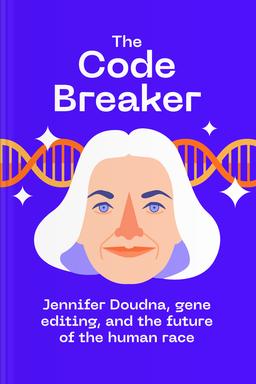
What is The Code Breaker about?
This compelling narrative explores the groundbreaking work of a pivotal scientist in gene editing, tracing her journey and the development of CRISPR technology. It delves into the ethical implications of modifying human DNA and the potential to revolutionize medicine, agriculture, and beyond. The book weaves together science, biography, and the pressing questions of our time about the future of humanity and the moral responsibilities that come with such advancements.
Who should read The Code Breaker
- Science enthusiasts fascinated by gene editing
- Students studying biotechnology and genetics
- Readers interested in ethical implications of genetic engineering
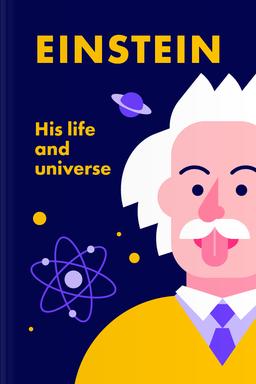
What is Einstein about?
This captivating biography delves into the life of one of history's greatest scientists, exploring Albert Einstein's groundbreaking contributions to physics and the tumultuous events that shaped his personal journey. Through rich storytelling, it illuminates his complex character, including his passions, struggles, and the revolutionary ideas that transformed our understanding of time and space. The narrative intertwines scientific concepts with personal anecdotes, offering readers an intimate portrait of a genius.
Who should read Einstein
- Science enthusiasts seeking to understand Einstein's genius.
- History buffs interested in the life of a legend.
- Young readers inspired by revolutionary thinkers' biographies.
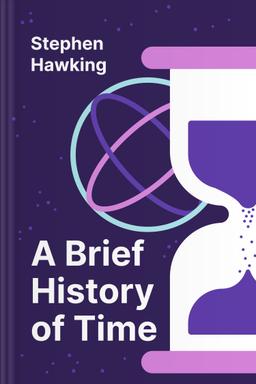
What is A Brief History of Time about?
This groundbreaking work explores the fundamental concepts of cosmology, from the Big Bang to black holes, using accessible language for the general reader. It delves into complex subjects like time, space, and the universe's origins, aiming to reveal the intricate workings of nature. The author combines scientific insight with philosophical questions, offering readers a deeper understanding of reality and humanity's place within the cosmos.
Who should read A Brief History of Time
- Science enthusiasts curious about the universe.
- Students seeking knowledge in physics and cosmology.
- Anyone interested in the nature of time and space.
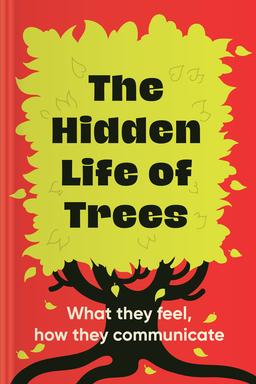
What is The Hidden Life of Trees about?
This enlightening exploration reveals the complex social networks of trees and their ability to communicate, share resources, and support one another in the forest ecosystem. Drawing on scientific research and rich anecdotes, it unveils the hidden interactions and emotional life of trees, challenging our understanding of nature. Readers will gain insight into how forests function as interconnected communities, ultimately changing the way we perceive and value these vital organisms.
Who should read The Hidden Life of Trees
- Nature enthusiasts seeking deeper ecological understanding.
- Students studying environmental science or forestry discipline.
- Readers interested in plant communication and emotional intelligence.