russia has launched a full-scale war in Ukraine. Donate to support Ukraine and protect the world’s peace.

9 Best Intersectional Feminist Books to Expand Your Understanding

You've probably noticed how mainstream feminism sometimes misses the mark. It talks about women's rights but forgets that not all women face the same struggles. A white woman's experience differs vastly from a Black woman's. A cisgender woman navigates the world differently from a transgender woman. 

Books about intersectional feminism address these gaps head-on. They show how race, class, sexuality, and identity overlap to create unique understandings of discrimination and privilege. These nine books will challenge your understanding of equality and help you see the fuller picture.

Books about intersectional feminism that reveal overlooked stories

Books about intersectional feminism do something that traditional feminist texts often skip: they center voices that have been pushed to the margins. 

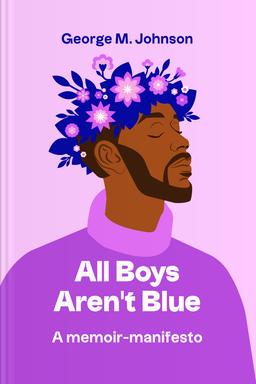
George M. Johnson's 'All Boys Aren't Blue' memoir doesn't just talk about being Black in America or being queer in America. It discusses being both, simultaneously, and how those identities shape every interaction, every fear, and every moment of joy.

Mikki Kendall's 'Hood Feminism' takes the conversation even further. She argues that if your feminism doesn't address food insecurity, gun violence, and access to quality education, then it's not really helping the women who need it most. Mainstream feminism has focused on breaking glass ceilings while ignoring the women who can't even afford rent. Kendall's book is a wake-up call: feminism that only serves privileged women isn't feminism at all.

Rebecca Solnit's 'Men Explain Things to Me' gave us the term "mansplaining," but it also explores how condescension toward women intersects with power dynamics across race and class. 

It’s a short but very apt book about how women are often underestimated in conversations. Solnit shows a familiar situation: you know something well, but someone explains it to you in a condescending way, as if you are hearing it for the first time. She analyzes this phenomenon with humor and sharpness. Solnit does not blame all men, but rather shows a cultural pattern that makes some “teach” and others doubt their own competence.

Best intersectional feminist books for real-world change

The best intersectional feminist books don't just explain theory. They give you tools actually to do something. 

Layla Saad's 'Me and White Supremacy' is a workbook designed to make white readers uncomfortable. It asks you to examine your biases, your silence, and the ways you've benefited from systemic racism. It's not easy, but that's the point. Real change requires sitting with discomfort.

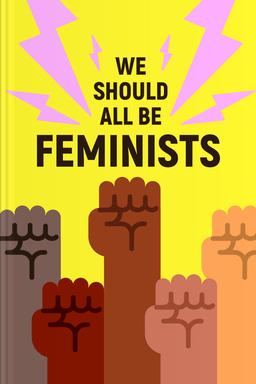
'We Should All Be Feminists' by postcolonial feminist author, Chimamanda Ngozi Adichie started as a TED talk but became a book that millions of people have read. Adichie argues that gender equality benefits everyone, not just women. She shows that the struggle for women’s rights is not the same for everyone: class, culture, race, and social expectations shape each woman’s experience.

For example, her stories from Nigeria demonstrate how cultural norms and economic conditions are superimposed on gender stereotypes. This means that feminism cannot be universally “one size fits all”—it must take into account specific contexts. The idea is very practical: if you want to change society, it is important to see that the same rules don’t always work for everyone.

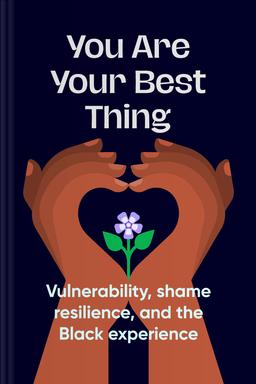
Tarana Burke and Brené Brown's 'You Are Your Best Thing' explores intersectionality through the lens of trauma, vulnerability, and self-acceptance. She shows that the experience of pain and healing is not only determined by personal experiences but also by the way race, gender, social status, and culture are superimposed on a person.

Burke and Brown emphasize that there is no “one-size-fits-all” therapy or support: the same traumatic experience affects different groups of people differently. The book encourages us to see people holistically—not as a set of isolated problems, but as individuals in whom multiple social factors are intertwined.

These books push back against the idea that feminism is just about corporate promotions and political representation. They demand that we think about who gets left behind when we declare victory.

We Should All Be Feminists

by Chimamanda Ngozi Adichie

What is We Should All Be Feminists about?

This insightful essay argues for gender equality and challenges traditional notions of feminism. Blending personal anecdotes with social commentary, the author explores how societal norms limit both men and women. Through her engaging narrative, she advocates for a world where everyone can be empowered, encouraging readers to reflect on their own beliefs and actions regarding gender issues.

Who should read We Should All Be Feminists

Young adults seeking to understand gender equality.
Educators wanting to promote feminist discussions in classrooms.
Anyone interested in social justice and women's rights.

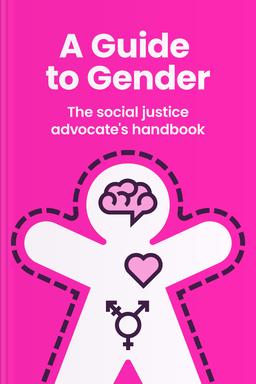
A Guide to Gender

by Sam Killermann

What is A Guide to Gender about?

This book serves as a comprehensive resource for understanding gender diversity and identity, providing insights for social justice advocates. It covers a range of topics, including the complexities of gender roles, the importance of inclusive language, and practical strategies for supporting marginalized communities. Through accessible explanations and engaging examples, it empowers readers to foster empathy and create more equitable environments.

Who should read A Guide to Gender

Social justice advocates seeking to understand gender issues.
Educators looking for resources on gender inclusivity.
Students interested in social justice and gender studies.

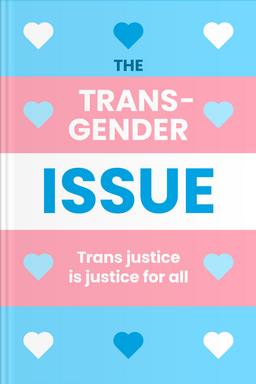
The Transgender Issue

by Shon Faye

What is The Transgender Issue about?

This compelling work examines the complexities of transgender rights and the societal issues surrounding them. It challenges misconceptions and advocates for justice, highlighting the intersection of gender identity with class, race, and sexuality. Through personal stories and critical analysis, it aims to foster understanding and inspire action, arguing for a more inclusive society that embraces the rights and dignity of transgender individuals.

Who should read The Transgender Issue

Activists advocating for LGBTQ+ rights and equality.
Individuals seeking to understand transgender issues better.
Students studying gender studies and social justice.

All Boys Aren’t Blue

by George M. Johnson

What is All Boys Aren’t Blue about?

This poignant memoir explores the complexities of identity, race, and gender through the author's experiences as a Black queer youth. With a blend of personal narratives and cultural critique, the book addresses the challenges faced by LGBTQ+ individuals, particularly young boys, while advocating for a deeper understanding of gender fluidity and self-acceptance. The narrative is both a personal journey and a call to action for acceptance and understanding.

Who should read All Boys Aren’t Blue

LGBTQ+ youth seeking representation and understanding.
Parents wanting to support gender-expansive children.
Educators promoting inclusivity and awareness in schools.

You Are Your Best Thing

by Tarana Burke, Brene Brown, PhD (editors)

What is You Are Your Best Thing about?

This anthology explores the intersections of vulnerability and resilience within the Black experience. Through personal narratives and insights from various contributors, it delves into themes of shame, healing, and empowerment. The book encourages readers to embrace their authenticity and confront societal challenges while fostering connection and understanding. It serves as a powerful reminder that embracing one's vulnerabilities can lead to personal and communal strength.

Who should read You Are Your Best Thing

Readers interested in personal growth and resilience.
Individuals seeking to understand Black experiences and vulnerability.
Anyone interested in shame resilience and mental health discussion.

Men Explain Things To Me

by Rebecca Solnit

What is Men Explain Things To Me about?

This provocative collection of essays explores the phenomenon of mansplaining and the broader implications of gender dynamics in society. Through personal anecdotes and cultural critique, the author addresses the ways in which women's voices are often marginalized and the societal structures that perpetuate this inequality. Her incisive wit and keen observations invite readers to reconsider communication, power, and masculinity, igniting important conversations about feminism and identity.

Who should read Men Explain Things To Me

Feminists seeking insight on gender dynamics.
Readers interested in social justice and equality.
Anyone curious about gender-related communication issues.

Me and White Supremacy

by Layla Saad

What is Me and White Supremacy about?

This transformative guide encourages readers to explore their own biases and complicity in systemic racism. Through thought-provoking exercises and reflections, the author empowers individuals to challenge white supremacy in themselves and society. By confronting discomfort and fostering accountability, it aims to facilitate personal and collective change, urging readers to take actionable steps towards racial justice and to become responsible ancestors for future generations.

Who should read Me and White Supremacy

Educators seeking to address racism in the classroom.
Activists committed to creating social justice movements.
Individuals wanting to reflect on their racial biases.

Hood Feminism

by Mikki Kendall

What is Hood Feminism about?

This book highlights the intersection of race and gender, focusing on the experiences of marginalized women often overlooked by mainstream feminism. Through personal anecdotes and cultural criticism, the author challenges the feminist movement to broaden its scope, addressing issues like poverty, violence, and access to education. It serves as a powerful call to action for inclusivity and solidarity among women of all backgrounds.

Who should read Hood Feminism

Social justice advocates seeking diverse feminist perspectives.
Readers interested in intersectionality and race in feminism.
Anyone wanting to understand marginalized women's experiences.

So You Want to Talk About Race

by Ijeoma Oluo

What is So You Want to Talk About Race about?

This book serves as a guide for discussions about race and racism in modern society. It tackles uncomfortable topics such as privilege, systemic discrimination, and identity through personal anecdotes and clear explanations. The author encourages readers to engage in meaningful conversations by addressing common misconceptions and providing practical advice. It aims to foster understanding and promote empathy in navigating complex racial dynamics.

Who should read So You Want to Talk About Race

Individuals seeking to understand racial dynamics
Educators aiming to foster inclusive classrooms
Activists passionate about social justice and equity

Frequently asked questions on intersectionality

What are the three types of intersectionality?

Intersectionality examines overlapping identities like race, gender, class, sexuality, disability, and other factors. Three common frameworks include structural intersectionality (how laws and policies affect marginalized groups differently), political intersectionality (how advocacy movements sometimes exclude certain voices), and representational intersectionality (how media and culture portray or ignore overlapping identities). 

What is the most life-changing book to read?

Among the most life-changing books, it is worth highlighting 'Atomic Habits' by James Clear — about the power of small habits, 'The Power of Now' by Eckhart Tolle — about living in the here and now, 'Mere Christianity' by Clive Lewis — about fundamental values, and 'You Are Your Best Thing' by Tarana Burke and Brené Brown — about healing and accepting yourself.

Who are the main authors of intersectionality?

Kimberlé Crenshaw introduced the term "intersectionality" in 1989, but the concept builds on earlier work by Black feminists like Audre Lorde, bell hooks, and the Combahee River Collective. These thinkers argued that race, gender, class, and sexuality can't be separated when analyzing oppression. Their writing laid the foundation for modern intersectional theory and continues to influence feminist and social justice movements today.

What does Jennifer Nash say about intersectionality?

Jennifer Nash, a scholar and author, critiques how intersectionality has been used in academia. She argues that the framework is sometimes watered down or misapplied, losing its radical roots. Nash emphasizes that intersectionality should center Black women's experiences and challenge power structures, not just become a checklist for diversity. Her work pushes for a return to the political and transformative potential of intersectional analysis.

What are the three main types of intersectionality?

The three main types of intersectionality can be described as follows: gender-racial – when gender and race influence the experience of inequality; class-social – when economic status intersects with other forms of discrimination; and cultural-ethnic – when traditions, religion, or nationality create unique challenges in a person's life.

What did Audre Lorde say about intersectionality?

Audre Lorde didn't use the term "intersectionality," but her writing helped shape the concept. She said, "There is no such thing as a single-issue struggle because we do not live single-issue lives." Lorde argued that race, gender, sexuality, and class are interconnected, and ignoring one means failing to address oppression fully. Her essays in 'Sister Outsider' remain foundational texts for intersectional feminism.