russia has launched a full-scale war in Ukraine. Donate to support Ukraine and protect the world’s peace.

11 Energizing Reads to Illuminate Your Outlook on Life

Dragging yourself through days that blur together? Your energy problem isn't about sleep or coffee — it's about what's fueling your brain. Energy books tackle everything from personal vitality and mental stamina to the literal power grids reshaping our planet. Some teach you how to stop feeling drained by 2 pm. Others expose the energy systems controlling modern life in ways most people never question. These reads don't just inform you — they rewire how you think about power, both the kind running through your body and the kind running the world.

Why energy books hit differently than typical self-help

Energy books force you to confront an uncomfortable truth: You're probably wasting most of yours. Not just physical energy — your attention, your willpower, and your actual capacity to do things that matter. These aren't your standard "morning routine" books. They dig into why you crash after lunch, why some tasks drain you while others energize you, and why willpower is a terrible strategy for anything important.

And this range surprises people. Here, you'll find books dissecting personal energy management, so you see ways to structure your day around your natural rhythms instead of fighting them. Other texts explore the science of burnout and why "hustle culture" is literally breaking down people's bodies. Some energy books even zoom out entirely and examine fossil fuels, renewable power, and the infrastructure keeping your lights on (or not, depending on where you live). 

These kinds of books connect dots you've never considered. Like how your diet affects your mental clarity more than your focus techniques ever will. Or how the energy industry's decisions decades ago created the climate mess we're in now. Reading energy books means accepting that you've been managing your most valuable resource poorly, and that's actually good news because it means you can fix it.

Ways you can pick the best books about energy for your needs

The best books about energy depend entirely on what's draining you right now. Feeling physically exhausted despite sleeping enough? Look for reads covering nutrition and how modern life sabotages your natural energy cycles. Mentally fried from too many decisions and distractions? Find books about cognitive load and why multitasking is killing your productivity. 

The best books about energy give you frameworks, not just inspiration. They explain why you feel a certain way, then show you exactly what to change. To illustrate, the science-based ones cite actual research instead of recycling the same tired advice. The ones about global energy systems don't just complain about climate change — they break down realistic solutions and the political barriers blocking them. 

Seek out books that challenge your assumptions. Maybe your energy problem isn't discipline — it's that you're doing work that fundamentally misaligns with your values. Maybe renewable energy isn't as simple or as impossible as you thought. Or maybe that "always be grinding" mentality you admired is actually a fast track to collapse. 

Try Headway's 15-minute summaries to preview which energy books are worth your full attention — some will resonate immediately, others won't, and that's fine.

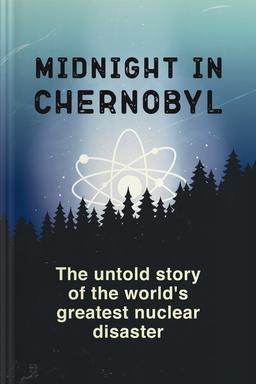
Midnight in Chernobyl

by Adam Higginbotham

What is Midnight in Chernobyl about?

This gripping account delves into the catastrophic 1986 Chernobyl disaster, exploring the chain of events that led to the explosion and the subsequent cover-up. The narrative combines firsthand accounts and extensive research, illuminating the human experiences, scientific failures, and political ramifications surrounding the tragedy. It reveals the heroism and failures of those involved and examines the lasting impact of the disaster on the region and the world.

Who should read Midnight in Chernobyl

History buffs interested in nuclear disasters
Students studying environmental science and energy policy
Fans of investigative journalism and true stories

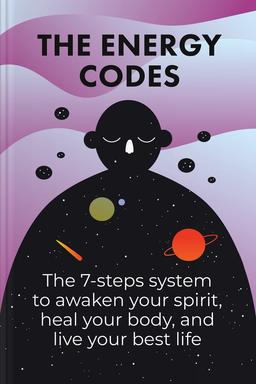
The Energy Codes

by Dr. Sue Morter

What is The Energy Codes about?

This transformative guide introduces a seven-step system designed to harness the body's energy for healing and personal growth. Through a blend of science and spirituality, it teaches techniques for awakening your inner potential, fostering physical wellness, and enhancing mental clarity. Readers will learn to tap into their innate energy, fostering a harmonious balance that promotes a fulfilling and empowered life.

Who should read The Energy Codes

Wellness enthusiasts seeking holistic healing methods.
Individuals interested in energy work and spiritual awakening.
Readers looking to improve their mental and physical health.

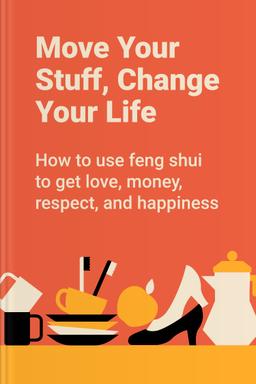
Move Your Stuff, Change Your Life

by Karen Rauch Carter

What is Move Your Stuff, Change Your Life about?

This practical guide intertwines the ancient art of Feng Shui with modern-day living, offering readers actionable tips to improve various aspects of their lives. By rearranging their environments, individuals can attract love, wealth, respect, and overall happiness. The author provides straightforward techniques and insights, helping readers understand how their spaces influence their energies and outcomes, ultimately leading to a more fulfilling life.

Who should read Move Your Stuff, Change Your Life

Individuals seeking personal growth and happiness.
Homeowners looking to improve their living spaces.
Readers interested in alternative wellness and spirituality.

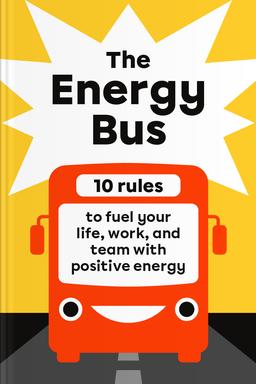
The Energy Bus

by Jon Gordon

What is The Energy Bus about?

This book offers a powerful metaphor for overcoming obstacles by harnessing the strength of positive energy. Through a compelling narrative, it introduces ten rules designed to inspire individuals and teams to adopt a more optimistic outlook. Readers learn how to maintain motivation, foster teamwork, and create a supportive environment, ultimately leading to personal and professional success.

Who should read The Energy Bus

Professionals seeking motivation in their careers.
Team leaders aiming to boost workplace morale.
Individuals looking to enhance personal positivity.

The Climate Book

by Greta Thunberg

What is The Climate Book about?

This book presents a comprehensive overview of the climate crisis, detailing its causes, impacts, and urgent need for action. Drawing from the insights of scientists and activists, it highlights real-world solutions and the collective power of communities to combat climate change. The narrative serves as both a wake-up call and a hopeful guide, empowering readers to understand their role in the global effort towards sustainability and environmental justice.

Who should read The Climate Book

Environmental activists seeking actionable solutions.
Students interested in climate science and activism.
Concerned citizens wanting to understand climate change impacts.

The Circadian Code

by Dr. Satchin Panda

What is The Circadian Code about?

This book explores the science of circadian rhythms, revealing how aligning daily habits with the natural cycles of light and darkness can enhance weight loss, energy levels, and overall health. Dr. Panda provides practical advice on optimizing meal timing, sleep patterns, and lifestyle choices to harness the power of our body's internal clock for transformative wellness.

Who should read The Circadian Code

Health enthusiasts seeking to optimize their wellness.
Individuals struggling with weight management and energy levels.
Readers interested in sleep science and circadian rhythms.

The Energy Plan

by James Collins

What is The Energy Plan about?

This book offers a comprehensive approach to optimizing personal health and performance through nutrition. It emphasizes the importance of smart eating habits and provides practical strategies to enhance energy levels and overall well-being. Readers will discover how to align their diet with their physical and mental goals, enabling them to feel invigorated and function at their best in daily life and athletic pursuits.

Who should read The Energy Plan

Health-conscious individuals seeking enhanced energy levels.
Athletes looking for optimal performance strategies.
Busy professionals wanting to improve focus and vitality.

The Future We Choose

by Christiana Figueres, Tom Rivett-Carnac

What is The Future We Choose about?

This compelling read outlines the urgent need for action against climate change, presenting a blueprint for a sustainable future. The authors, key figures in global climate negotiations, explore the choices we face and advocate for collective responsibility in combating environmental degradation. Through engaging insights and practical strategies, the book emphasizes hope and resilience, urging readers to envision and work towards a livable planet for future generations.

Who should read The Future We Choose

Environmental activists seeking practical solutions.
Students studying climate change and sustainability.
Policy makers interested in climate action strategies.

The New Climate War

by Michael E. Mann

What is The New Climate War about?

This book explores the escalating battle against climate change, arguing that genuine solutions must prioritize collective action and systemic change over individual responsibility. It critiques misinformation campaigns led by corporate interests and highlights the importance of grassroots movements. By providing a roadmap for advocacy and engagement, it empowers readers to challenge the status quo and actively participate in the fight for a sustainable future.

Who should read The New Climate War

Environmental activists seeking effective climate action strategies.
Students studying climate science and ecological policy.
General readers interested in climate change solutions.

Frequently asked questions about books on energy

What are the best books about energy?

'The Power of Full Engagement' by Jim Loehr and Tony Schwartz tackles managing personal energy. 'Why We Sleep' by Matthew Walker connects sleep quality to vitality. 'Atomic Habits' by James Clear shows how tiny changes preserve energy long-term. 'The Energy Bus' by Jon Gordon uses storytelling for workplace energy and positivity. For global energy, try 'The Quest' by Daniel Yergin.

What are five books everyone should read?

'Sapiens' by Yuval Noah Harari reframes human history. 'Thinking, Fast and Slow' by Daniel Kahneman explains how your brain actually works. 'Man's Search for Meaning' by Viktor Frankl finds purpose in suffering. 'The Almanack of Naval Ravikant' by Eric Jorgenson distills wisdom on wealth and happiness. 'Deep Work' by Cal Newport teaches focus in a distracted world. These reshape how you see everything.

Who is the best source of energy?

There's no single "best" source, since it depends on the context. Solar works great in sunny regions. Nuclear provides reliable baseload power, but costs billions upfront. Wind scales well in coastal areas. Hydroelectric is fantastic where geography permits. For your body, whole foods beat supplements. For your mind, deep work beats shallow busywork.

What are the four major energy sectors?

Electricity generation produces power for homes and businesses. Transportation runs on petroleum for vehicles, ships, and planes. Industrial energy powers manufacturing and construction. Residential and commercial covers heating, cooling, and appliances. 

What are the seven major sources of energy?

Coal, oil, and natural gas are dominant. Nuclear fission provides carbon-free power but faces cost issues. Hydroelectric dams generate electricity where rivers permit. Solar panels convert sunlight. Wind turbines capture kinetic energy. As of 2025, the shift from fossil fuels to renewable energy remains one of the most urgent and defining transitions of our time.

What are the 9 types of energy?

Energy transforms, but here are nine types you should know:

  1. Kinetic energy

  2. Potential energy

  3. Thermal energy

  4. Chemical energy

  5. Electrical energy

  6. Nuclear energy

  7. Radiant energy

  8. Sound energy

  9. Elastic energy

Remember that energy types can change. For example, your body converts chemical energy from food into kinetic energy for movement.