Self-growth
 Apps & Digital Tools
 Business & Career
 Success
 Growth Tools
 Psychology
 Communication
 Relationships
All the best books on topic
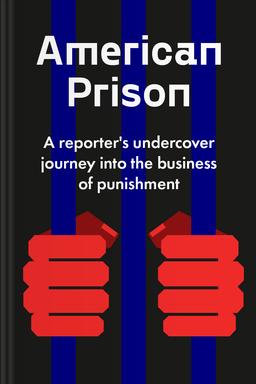
What is American Prison about?
This gripping exposé details a journalist's harrowing undercover experience inside a private prison. Through immersive storytelling, it explores the inhumane realities of the American penal system, examining the profit-driven motives behind mass incarceration. The narrative uncovers systemic abuses and challenges the ethics of privatized punishment, shedding light on the human cost of incarceration and the complex interplay between crime, justice, and corporate interests.
Who should read American Prison
- Journalists exploring criminal justice issues.
- Activists advocating for prison reform.
- Readers interested in true crime narratives.
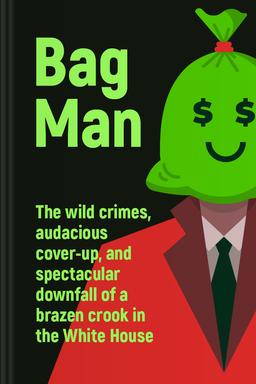
What is Bag Man about?
This gripping narrative uncovers the high-profile scandal involving a corrupt figure in the White House, exploring the audacious crimes, intricate cover-ups, and the eventual unraveling of a political career. Through meticulous research and compelling storytelling, the authors reveal the intricate web of deception and power, illustrating how greed can lead to monumental consequences, while shedding light on broader themes of accountability and justice in the political arena.
Who should read Bag Man
- Political enthusiasts eager for insider stories.
- True crime fans fascinated by high-profile scandals.
- Readers interested in contemporary American politics.
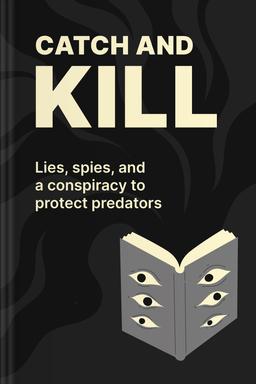
What is Catch and Kill about?
This investigative work unravels the hidden machinations behind powerful figures who shield sexual predators from accountability. Following a reporter's relentless pursuit of the truth, it exposes the network of lies, intimidation, and cover-ups orchestrated by media moguls and influential organizations. With gripping accounts and shocking revelations, it sheds light on a culture of silence designed to protect the guilty at the expense of victims.
Who should read Catch and Kill
- Journalists seeking insight into investigative reporting.
- Activists advocating for survivors of sexual abuse.
- Readers interested in media ethics and corruption.
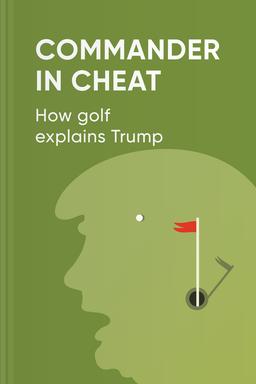
What is Commander In Cheat about?
This engaging analysis delves into how the game of golf mirrors the character and actions of a controversial political figure. Through humorous anecdotes and sharp observations, it explores themes of integrity, competition, and ego, revealing insights into the interplay between sport and personal values. The narrative reflects on broader social issues while providing entertaining commentary on both the game and the individual at its center.
Who should read Commander In Cheat
- Golf enthusiasts interested in politics and leadership.
- Readers who enjoy political satire and humor.
- Fans of Rick Reilly's sports commentary and analysis.
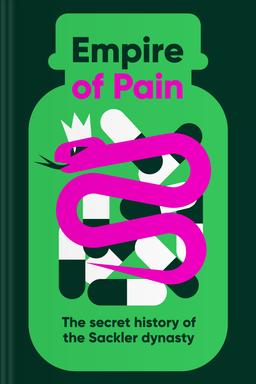
What is Empire of Pain about?
This gripping investigative work delves into the Sackler family's role in the opioid crisis through their ownership of Purdue Pharma, the creator of OxyContin. It uncovers the intricacies of their wealth, influence, and the moral implications of their actions, juxtaposing personal narratives with a broader societal impact. The book reveals how corporate greed and a lack of accountability fueled a public health disaster that has affected countless lives.
Who should read Empire of Pain
- Readers interested in true crime and corporate malpractice.
- Those seeking insight into the opioid crisis in America.
- Fans of investigative journalism and compelling historical narratives.