Self-growth
 Business & Career
 Success
 Communication
 Healing
 Relationships
 Psychology
 Happiness
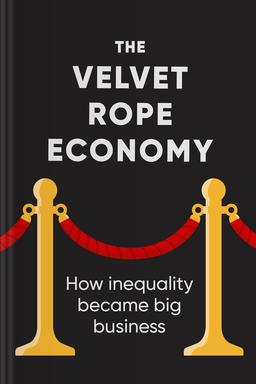
What is The Velvet Rope Economy about?
This book explores the rise of economic inequality and how it has become a lucrative industry. It delves into the concept of the "velvet rope" as a metaphor for the barriers between the wealthy and the rest of society, illustrating how luxury experiences and services cater exclusively to the affluent. Through compelling case studies, the narrative reveals the implications of this divide for consumer behavior and societal norms.
Who should read The Velvet Rope Economy
- Economists and policymakers seeking insights on inequality.
- Business leaders navigating the dynamics of economic disparity.
- Educators discussing the impact of class and privilege.
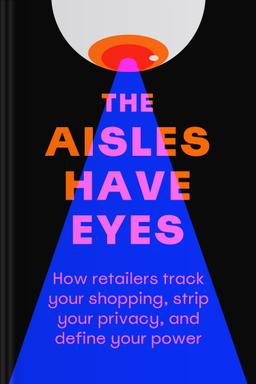
What is The Aisles Have Eyes about?
This insightful exploration delves into the ways retailers monitor consumer behavior through technology, analyzing the impact on privacy and personal agency. It reveals the sophisticated methods used to track shopping habits, including data collection and surveillance, while highlighting the ethical implications for consumers. Through case studies and research, it challenges readers to reconsider their power dynamics in the marketplace and their rights to privacy in an increasingly data-driven world.
Who should read The Aisles Have Eyes
- Privacy advocates concerned about surveillance in retail
- Consumers wanting to understand data collection practices
- Activists aiming to promote consumer rights and protections
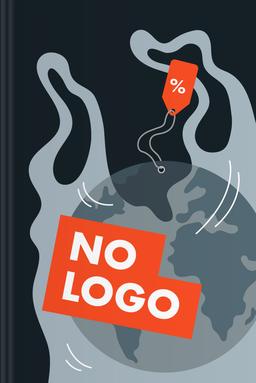
What is No Logo about?
This influential work critiques the rise of corporate branding and the power of multinational companies in contemporary society. It explores how globalization and advertising shape culture and identity, while examining the consequences of consumerism and corporate practices on communities and workers. Klein advocates for social activism and challenges readers to reconsider their role as consumers, making it a pivotal read for those interested in economic and social justice.
Who should read No Logo
- Activists fighting for social justice and corporate accountability.
- Students studying marketing, branding, and globalization.
- Consumers interested in ethical purchasing and corporate ethics.