russia has launched a full-scale war in Ukraine. Donate to support Ukraine and protect the world’s peace.

8 Best Books on Conversation Skills

When someone asks you a straightforward question at the party, you go completely blank. Then, you repeat in your brain what you will say three times before talking. Small talk feels like you have to do it; depth in conversation seems impossible for you. With the right mindset, it can be done! Here is the honest answer: Understanding and leading a conversation isn't something you are born with, it's a skill.

The best books on conversation skills teach you how to listen without planning your next sentence, ask questions that matter, and connect with people without forcing it. Susan Scott in 'Fierce Conversations' and Leil Lowndes in 'How to Talk to Anyone' prove that anyone can learn to communicate with confidence and clarity.

Books about conversation skills for real connections

Books about conversation skills show you what actually happens during a good talk. 

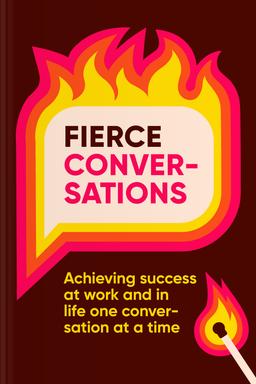
Susan Scott in 'Fierce Conversations' argues that every conversation is a relationship. When you avoid difficult topics or sugarcoat your words, you're not protecting anyone. You're creating distance. Scott teaches you to say what you mean without being harsh. That's the difference between polite silence and honest connection.  

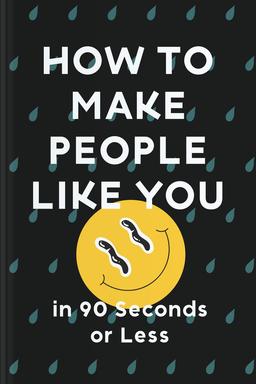
Then there's 'How to Make People Like You in 90 Seconds or Less' by a world expert in turning first impressions, Nicholas Boothman. The title sounds gimmicky, but the content isn't. This book is about making the first few minutes of communication warm and natural. Butman shows that conversation works like a door: either it opens immediately or it creaks awkwardly. 

Butman explains how to use voice, gaze, open posture, and small phrases-bridges to create easy contact. He gives a simple formula: first establish rapport, and only then move on to the topic. It's like in good nonfiction books – first grab attention, then convey ideas.

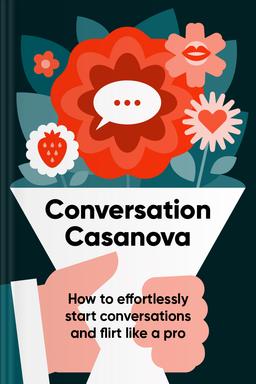
'Conversation Casanova' by Dave Perrotta takes a different angle. He focuses on charisma. Not the loud, attention-grabbing kind, but the quiet confidence that makes people want to keep talking to you. Perrotta shows you how to tell stories that don't bore people, how to tease without offending, and how to exit a conversation without making it weird. 

These books aren't about memorizing scripts. They're about understanding how conversations flow and where you're getting stuck.

Best books on conversation skills that fix common mistakes

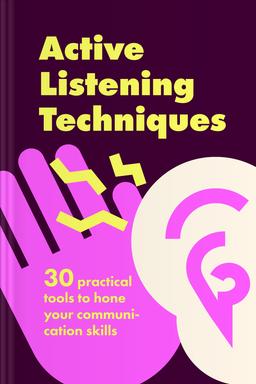
The best books on conversation skills address what most people get wrong: they talk when they should listen. 'Active Listening Techniques' by Nixaly Leonardo breaks down exactly what listening looks like. It's not nodding while you think about lunch. It's paraphrasing what someone said to confirm you understood. It's noticing when their voice changes or when they pause. Leonardo explains why people shut down mid-conversation and how to keep them engaged without interrogating them.

'Difficult Conversations' by Douglas Stone, Bruce Patton, and Sheila Heen tackles the talks you've been avoiding. Asking for a raise. Ending a friendship. Telling your partner that they hurt you. 'Difficult Conversations' explains why these conversations go wrong (you assume the other person's intentions, you blame instead of explaining your feelings) and how to fix them. 

'How to Talk to Anyone' by known communications consultant Leil Lowndes offers 92 techniques for improving your communication. Some are basic (smile when you meet someone), but others are less obvious. Lowndes explains how to remember names by repeating them in conversation, how to give compliments that feel genuine, and how to handle awkward silences without panicking. 

The books on conversation skills work because they assume you're going to mess up sometimes. You'll forget someone's name or say the wrong thing. You can recover without making it worse.

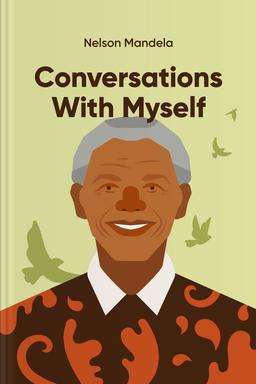
Conversations with Myself

by Nelson Mandela

What is Conversations with Myself about?

This compelling collection showcases the thoughts and reflections of a global icon, exploring themes of resilience, leadership, and the struggle for justice. Through personal letters, diary entries, and unpublished writings, readers gain an intimate glimpse into the inner life of a man who dedicated his life to fighting apartheid and advocating for equality. The narrative reveals his philosophies and personal experiences, making it an inspiring testament to the human spirit.

Who should read Conversations with Myself

History enthusiasts seeking personal insights from Mandela.
Readers interested in leadership and resilience.
Fans of biographies and autobiographical reflections.

Fierce Conversation

by Susan Scott

What is Fierce Conversation about?

This book emphasizes the transformative power of honest and direct conversations in personal and professional settings. It provides practical tools and techniques to engage in productive dialogues, tackle difficult topics, and foster authentic relationships. By mastering the art of conversation, readers can enhance their leadership skills, resolve conflicts, and ultimately achieve greater success and fulfillment in both work and life.

Who should read Fierce Conversation

Professionals seeking to enhance workplace communication skills.
Leaders aiming to build stronger team relationships.
Individuals wanting personal growth through effective dialogue.

Active Listening Techniques

by Nixaly Leonardo, LCSW

What is Active Listening Techniques about?

This practical guide offers 30 effective active listening techniques designed to enhance communication skills in personal and professional settings. Readers will discover tools to improve understanding, build stronger relationships, and foster empathy. Through real-life examples and actionable strategies, this book empowers individuals to become better listeners, ultimately transforming their interactions and fostering deeper connections with others.

Who should read Active Listening Techniques

Professionals seeking to improve workplace communication.
Students wanting to enhance their listening skills.
Parents aiming to foster better relationships with children.

Conversation Casanova

by Dave Perotta

What is Conversation Casanova about?

This guide teaches readers the art of starting conversations and flirting with ease. It provides practical techniques and confidence-building strategies to engage others effortlessly, whether in social gatherings or on dates. By blending humor with actionable tips, it empowers individuals to improve their conversational skills, connect authentically, and enhance their romantic pursuits, making interactions enjoyable and less intimidating.

Who should read Conversation Casanova

Singles looking to improve their flirting skills.
Shy individuals wanting to build conversation confidence.
Dating enthusiasts seeking to enhance their communication techniques.

How to Make People Like You in 90 Seconds

by Nicholas Boothman

What is How to Make People Like You in 90 Seconds about?

This book offers practical techniques for building instant rapport and connection with others. By focusing on body language, effective communication, and empathetic listening, it guides readers on how to create a likable persona quickly. With actionable tips and real-life examples, it empowers individuals to enhance their social skills, engage more meaningfully in conversations, and leave a positive impression, all within a brief encounter.

Who should read How to Make People Like You in 90 Seconds

Networking professionals seeking effective relationship-building techniques.
Individuals looking to improve their social skills quickly.
Salespeople aiming to connect with clients instantly.

Difficult Conversations

by Douglas Stone, Bruce Patton, Sheila Heen, Roger Fisher

What is Difficult Conversations about?

This insightful guide delves into the art of navigating tough discussions, emphasizing the importance of understanding emotions, perspectives, and the underlying issues at play. It provides practical tools and techniques for approaching sensitive topics with empathy and clarity, empowering readers to foster constructive dialogue. By offering strategies to manage conflict and enhance communication skills, it aims to help individuals resolve disagreements and strengthen their relationships.

Who should read Difficult Conversations

Managers seeking effective communication skills.
Parents navigating tough discussions with teens.
Couples improving conflict resolution strategies.

Selfie

by Will Storr

What is Selfie about?

This insightful examination explores the rise of self-obsession in contemporary society, tracing its origins and impact on our behavior and relationships. The author delves into the psychological and cultural forces driving our fixation on self-image and social media, revealing the consequences of this pervasive trend. Through engaging anecdotes and research, the book challenges readers to reflect on identity, authenticity, and the implications of living in a selfie-obsessed world.

Who should read Selfie

Social media enthusiasts and influencers
Psychology students exploring self-identity concepts
Parents concerned about children's self-image issues

How to Talk To Anyone

by Leil Lowndes

What is How to Talk To Anyone about?

This book offers practical techniques and strategies to enhance communication skills and build rapport with others. It covers a range of topics, from making a positive first impression to engaging in meaningful conversations. With 92 actionable tips, readers learn how to navigate social situations confidently, foster better relationships, and connect with people on a deeper level, ultimately aiming for personal and professional success.

Who should read How to Talk To Anyone

Professionals seeking to improve networking skills.
Introverts wanting to engage with others confidently.
Students looking to enhance social interactions.

Frequently asked questions on conversation skills books

What book to read to improve communication skills?

Leil Lowndes’s 'How to Talk to Anyone' is a practical pick. The book contains 92 specific techniques for improving conversations, like remembering names or handling awkward moments. Lowndes focuses on real situations you face daily, for example, at networking events or casual meetups. It doesn't require you to change your personality, just adjust how you approach conversations.

What are the 7 C's of conversation?

The 7 C's are clear, concise, concrete, correct, coherent, complete, and courteous. These principles ensure your message is understood without confusion. Clear communication avoids jargon. A concise speech respects people's time. Concrete details prevent misunderstandings. Correct information builds trust. Coherent thoughts flow logically. Complete messages leave no gaps. A courteous tone maintains respect.

How do I improve my conversation skills?

Practice active listening and concentrate on what others say instead of planning your response. Ask open-ended questions that encourage detailed answers. Pay attention to body language and tone of voice. Read books like 'Fierce Conversations' or 'Difficult Conversations' to understand common mistakes. Put yourself in situations where you have to talk to strangers, like classes or networking events.

What are the best books on conversation?

Highly recommended books are Susan Scott's 'Fierce Conversations', Leil Lowndes' 'How to Talk to Anyone', and Douglas Stone, Bruce Patton, and Sheila Heen's 'Difficult Conversations'. All three books cover aspects of communicating. Scott's book emphasizes honesty, Lowndes' book includes actionable tips, and Stone's book takes a look at awkward situations. 

What are the 5 C's of communication correctly?

The five Cs of good communication are clear, concise, courteous, correct, and complete. They help you speak in a way that people can actually hear you. When your message is clear, concise, courteous, precise, and complete, the conversation flows easily. It’s like a good book: the structure is simple, the content is clear, and the ideas flow smoothly.

What are the 5 basic communication skills?

The five primary communication skills are the following: listening, speaking, reading, writing, and non-verbal communication. Listening is about understanding spoken language. Speaking means articulating thoughts clearly to the communication partner. Reading comprehension is the ability to process written information. Writing is the creation of a record of your thoughts. Non-verbal communication can include body language and facial expression to transfer meaning that is more than words.