Self-growth
 Apps & Digital Tools
 Business & Career
 Success
 Growth Tools
 Psychology
 Communication
 Relationships


More than 138,000 nurses have left the US workforce since 2022, and almost 40% of those still working say they intend to leave or retire within five years. Of the nurses planning to leave for reasons other than retirement, about 41.5% name stress and burnout as the root cause.
This is according to a 2024 workforce survey from the National Council of State Boards of Nursing (NCSBN) and the National Forum of State Nursing Workforce Centers. Workloads have eased by 20% to 25% since 2022, which makes the number harder to explain away.
Addressing nurse burnout is the central challenge in modern healthcare. Nurse burnout is the result of chronic workplace stress that exceeds available resources and recovery time. This article covers what nurse burnout is, how to recognize it, why it builds, what nurses can do, and what employers and leaders need to change.
📘 Short on time but want to learn more about burnout? Try Headway and access themed summaries and growth plans.
*Please note: This is general information, not medical advice.

Quick summary: Nurse burnout in brief
Nurse burnout is chronic stress that outruns rest and resources.
Understaffing, long shifts, and workplace violence are leading drivers.
Signs include exhaustion, detachment, and a drop in satisfaction with care.
Personal habits help, but they cannot fix systemic causes alone.
Employers and nurse leaders control staffing, schedules, and safety.
Signs of nurse burnout: Recognizing emotional exhaustion
Burnout is not just feeling tired after a long shift. Emotional exhaustion and feeling completely drained before the shift even starts is a hallmark sign.
Many nurses experience a profound cynicism or detachment from their patients and colleagues. They may feel a reduced sense of accomplishment, plagued by doubt about the quality of care they are providing.
Physical symptoms of burnout may include headaches and muscle tension, along with poor sleep. Chronic tiredness can persist even after a full night's sleep or time off. Burnout can cause a total lack of concentration.
Burnout symptoms include waking up at night and ruminating over clinical decisions or patient interactions. Irritability is a common symptom of burnout, leading to a low mood and a noticeable drop in how well nurses perform.
If these signs last or worsen, seeking out mental health support or using an employee assistance program is a necessary step.
For a broader look at how these signs manifest across different professions, reading about the symptoms of burnout provides additional context.
Patient care: Burnout, compassion fatigue, and moral injury
The language used to describe the nursing experience matters. Nurse burnout results from chronic workplace stress exceeding available resources and recovery time.
Moral injury is different. Moral injury arises when nurses cannot provide the care they know their patients deserve due to constraints, such as a lack of supplies, time, or staffing.
Compassion fatigue stems directly from the emotional demands of patient care. It is the specific emotional cost of caring for people experiencing profound pain and trauma. Understanding the difference dictates the cure.
Burnout requires systemic relief and workload reduction, while compassion fatigue often requires targeted emotional processing. To understand how emotional exhaustion specifically limits cognitive function, exploring the concept of mental exhaustion is helpful.
Understanding the psychological toll of caregiving is the first step to recovery.
📘 Get the Headway app to access 15-minute summaries of the world's best books on stress management and resilience.
Why do nurses burn out?
Nurse burnout is a critical crisis in healthcare driven by systemic emotional and physical pressures. A 2023 survey by the American Nurses Foundation found that 56% of nurses reported experiencing burnout.
| Driver | What it does | Source of the figure |
|---|---|---|
Understaffing and high ratios | Forces nurses to stretch thin | American Nurses Foundation (2023) |
Long shifts, little recovery | Physical and emotional exhaustion | American Nurses Foundation (2023) |
Documentation and EHR load | Cuts direct patient care time | Medscape Nurse Career Satisfaction Report (2023) |
Workplace violence and abuse | Severe psychological toll | American Nurses Association |
Low autonomy and low recognition | Powerlessness, lower satisfaction | American Nurses Foundation (2023) |
Pay seen as inadequate | Resentment and turnover | Medscape Nurse Career Satisfaction Report (2023) |
Chronic understaffing leads to high patient-to-nurse ratios, forcing nurses to stretch themselves thin. Long hours and insufficient recovery time lead to physical and emotional exhaustion.
Furthermore, the administrative burden from excessive documentation reduces patient care time, pulling nurses away from the bedside. Lack of control and autonomy in decision-making fosters feelings of powerlessness in nurses, while inadequate compensation leads to moral resentment and drives turnover among nurses.
Finally, workplace violence and verbal abuse have a severe psychological toll on nurses.
How burnout builds over a career
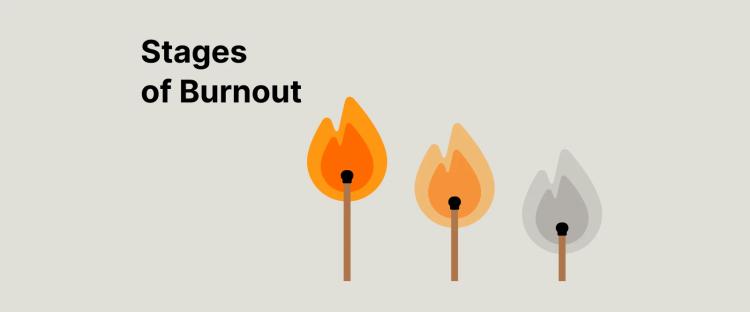
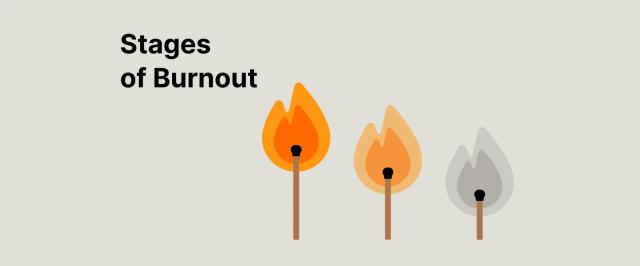
Burnout rarely arrives all at once; it accumulates over months or years of prolonged stress. Early on, a nurse might simply feel tired. As it progresses to the middle stages, the nurse might start skipping breaks or feeling mild resentment toward the hospital administration.
In the late stages, the nurse experiences total detachment and physical illness. This progression explains why so many experienced nurses leave the profession. When they depart, they take years of specialized clinical knowledge with them, leaving newer nurses to shoulder the burden without adequate mentorship.
To see how this progression functions across all industries, the 12 stages of burnout model explains the gradual decline from initial enthusiasm to total collapse.
Patient safety and patient outcomes
The health of the nursing staff directly impacts the health of the patients. Burnout affects a nurse's attention to detail, communication skills, and ability to deliver compassionate care.
When nurses are overwhelmed, the risk of medical errors naturally increases. Furthermore, high nurse turnover costs healthcare organizations millions of dollars annually, draining resources that could otherwise be spent on patient care delivery or equipment.
Check where you stand: Burnout test
Taking a short self-assessment is a reflection tool, not a clinical diagnosis.
Ask yourself: Do you feel exhausted before your shift begins? Are you feeling detached from your patients? Do you doubt the quality of the care you are providing? If you answer yes, it is time to seek support.
A comprehensive burnout test can help you articulate exactly what you are experiencing.
Self-care and work-life balance: What nurses can do now
Nurses can prevent burnout by practicing individual self-care strategies along with organizational improvements.
First, protect your sleep and recovery time between long shifts. Sleep is not a luxury; it is a biological necessity for cognitive function. When possible, saying 'no' to extra commitments reduces stress and burnout.
You must also build a peer support network. Developing a peer support network can mitigate feelings of isolation after a promotion or a difficult shift. Talk to someone who understands the unique challenges of the work.
During your shift, focus on using food, movement, and breaks that actually fit your schedule. Finally, do not hesitate to advocate for yourself. Ask for a say in your schedules, a change many nurses desperately want. If you are struggling, know when to talk to a professional.
Consulting a mental health professional aids in burnout recovery. If you cannot simply quit, learning how to recover from burnout while still working is essential for long-term survival in the nursing profession.
You don't have time to read a 300-page book after a 12-hour shift.
📘 Download Headway to listen to 15-minute audio summaries of the best mental health and leadership books on your commute home.
Rest as a mental reset
Rest should be treated as a professional requirement to prevent burnout, not a reward for surviving a grueling week. A true mental reset requires time completely away from screens and work-related messages.
Digital detoxes help in recovering from burnout effectively. Engaging in hobbies can divert stress and aid recovery, allowing your brain to focus on something entirely unrelated to healthcare. For more ideas on how to disconnect, exploring strategies for a mental reset can provide practical starting points.

What healthcare leaders, health systems, and nursing leaders need to fix
Combining personal strategies with systemic changes is the most effective nurse burnout prevention approach. It is important for employers to address systemic issues contributing to burnout.
Staffing and schedules: Employers should ensure safe nurse-to-patient ratios to prevent burnout. Optimizing staffing models can support safe nurse-to-patient ratios and dynamic staffing. Furthermore, promoting schedule autonomy helps nurses achieve better work-life balance. Flexible scheduling helps nurses balance professional and personal lives.
Workplace safety and culture: Creating a healthy workplace culture is necessary for preventing nurse burnout. Cultivating supportive leadership improves nurse morale and feelings of being valued. Crucially, employers must adopt a zero-tolerance policy for workplace violence. Enhancing security protocols and zero-tolerance policies can protect healthcare workers from abuse.
Administrative and mental support: Streamlining documentation can minimize administrative burden for nurses. Finally, providing robust mental health resources is essential for nurse well-being. Strengthening mental health support and peer support frameworks is essential in combating burnout.

Build resilience — start learning about it on Headway!
You cannot fix a broken healthcare system alone, but you can build the psychological tools to protect your own well-being. Here is how insights from top books can help:
'The Body Keeps the Score' (Bessel van der Kolk): Tip: Notice where stress shows up in your body after a hard shift. Exercise: Do a one-minute body scan before you leave the unit.
'Permission to Feel' (Marc Brackett): Tip: Name the specific feeling instead of just saying "tired." Exercise: Write one precise feeling word at the end of each shift.
'Man's Search for Meaning' (Viktor Frankl): Tip: Reconnect one mundane task to the fundamental reason you chose nursing. Exercise: Write one sentence about a patient moment that truly mattered this week.
'Dear Life' (Rachel Clarke): Tip: Read how another clinician carries profound loss without breaking. Exercise: Note one coping mechanism she uses that you could try.
'The Upside of Stress' (Kelly McGonigal): Tip: Reframe a pounding heart as your body preparing to help. Exercise: Say that exact sentence before walking into the next hard task.
📘 Try the Headway app to access these summaries and hundreds more, designed specifically for busy professionals.
FAQs about nurse burnout
What is nurse burnout?
Nurse burnout is a state of physical, emotional, and mental exhaustion caused by prolonged exposure to chronic workplace stress. It occurs when the demands of the job — such as high patient ratios, long hours, and emotional trauma — consistently exceed the nurse's available resources and recovery time.
What are the signs of nurse burnout?
Common signs include persistent emotional exhaustion, feeling drained before a shift even starts, and a profound sense of cynicism or detachment from patients. Physical symptoms often include headaches, poor sleep, and muscle tension, while emotional signs involve irritability, low mood, and a reduced sense of professional accomplishment.
What causes nurse burnout?
Nurse burnout is driven by systemic issues rather than personal weakness. The primary causes include chronic understaffing, long shifts with inadequate recovery time, excessive administrative and documentation burdens, exposure to workplace violence, and a lack of autonomy regarding scheduling and patient care decisions.
How can nurses prevent burnout?
Nurses can help prevent burnout by fiercely protecting their sleep and recovery time, setting strict boundaries regarding extra shifts, and building a strong peer support network. Taking frequent breaks, engaging in hobbies outside of healthcare, and consulting a mental health professional are also vital individual strategies.
What can hospitals do to reduce nurse burnout?
Hospitals must address systemic drivers. This includes implementing safe and dynamic nurse-to-patient ratios, offering flexible scheduling with increased nurse autonomy, significantly reducing administrative documentation burdens, enforcing strict zero-tolerance policies for workplace violence, and providing robust, accessible mental health resources.
What is the difference between nurse burnout and moral injury?
Burnout is exhaustion from chronic overwork and stress. Moral injury, however, occurs when a nurse is forced to act (or cannot act) in a way that violates their deep moral compass — such as knowing a patient needs specific care but being unable to provide it due to systemic constraints like understaffing.
Does nurse burnout affect patient safety?
Yes, significantly. Burnout severely impairs a nurse's concentration, communication skills, and reaction times. This emotional and cognitive exhaustion increases the likelihood of medical errors, reduces the quality of compassionate care delivered, and ultimately compromises overall patient safety and outcomes.
When should a nurse seek professional help?
A nurse should seek professional help when feelings of exhaustion, cynicism, or irritability persist despite taking time off or sleeping. If burnout symptoms begin to interfere with daily life, cause severe physical symptoms, or lead to feelings of hopelessness or clinical depression, professional mental health support is essential.