Self-growth
 Business & Career
 Success
 Communication
 Healing
 Relationships
 Psychology
 Happiness
Morning routine ideas help you take control of your day. Instead of waking up feeling behind, you start with intention: calm, focused, and ready.
Morning in the modern world is a mini version of chaos. Without a plan, it quickly turns into survival, not the start of the day. The brain wakes up slowly, but the world doesn't. There are messages, deadlines, children, news, and traffic jams to deal with. But a morning routine relieves this overload. When you know what you're doing and in what sequence, the brain exhales.
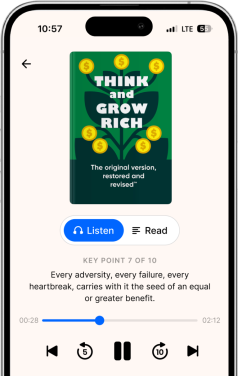
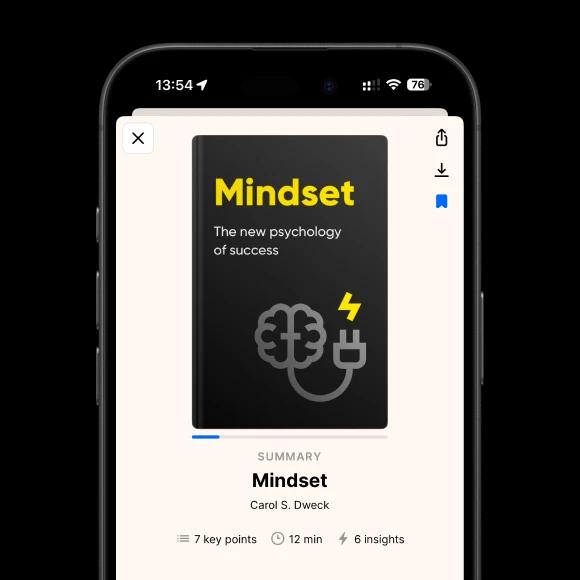
The Headway app has condensed audio summaries (in 15-minute segments) of popular nonfiction books and short-term (daily) personal development challenges for users to incorporate into their morning ritual!
No fuss, no change: just little things that you can implement easily!
Morning routine ideas (quick list)
Here's a fast overview for when you need ideas right now:
Drink a glass of water as soon as you wake up.
Get natural light within the first 10 minutes.
Move your body for 5 to 10 minutes (walk, stretch, or do any movement you like).
Write down one to three priorities for the day.
Read or listen to something that sharpens your thinking.
Stay off your phone for the first 30 minutes.
Do a quick breathing exercise before the workday begins.
These habits are simple on purpose. The best morning habits don't require a personal chef or a home gym.
📘 Sharpen your mind every morning — download Headway.
What is a morning routine (and why it works)
A morning routine is a set of habits you do consistently before the rest of your day kicks in. It's your buffer — the time between your alarm clock and the first email, meeting, or task.
Why it matters: Your brain makes its best decisions in the morning, before decision fatigue sets in. Research supports this. If you spend the start of your day on autopilot with your phone, social media, or news, you use up mental energy on things that don't help you move forward. A simple morning ritual protects that energy and supports your wellness from the beginning.
Robin Sharma, author of 'The 5 am Club' puts it plainly: the first hour of your day shapes every hour that follows. You don't need to wake up at 5 am to feel this. You just need a structure you can repeat.
Best morning routine ideas to try
These ideas range from two-minute habits to 20-minute practices. You don't need all of them. Pick what fits.
If you are single or live with a partner
1. Drink a glass of water first
Your body loses water while you sleep. Dehydration (even mild) slows your thinking and drops your energy. Before coffee, before your phone, drink one full glass of water. Some people add a squeeze of lemon water for digestion. Either works. This one habit takes 30 seconds and makes a real difference in how alert you feel.
2. Skip social media for the first 30 minutes
This point is one of the most life-changing morning habits you can build. Social media triggers comparison, distraction, and stress before you have a chance to think for yourself. Give yourself 30 minutes, or even 20, before opening any app. You'll notice the difference quickly.
3. Get some fresh air or natural light
Step outside, open a window, or sit near a bright spot. Natural light signals your brain that it's time to wake up and helps regulate your sleep cycle for the next day. A five-minute walk outside can clear morning fog better than a second cup of coffee.
4. Move your body, even for a short time
You don't need a complete workout. Five to ten minutes of movement is enough to raise your heart rate, improve circulation, and boost your mood. Pilates, a short walk, a stretch sequence, jumping jacks: pick what feels good. Hal Elrod's 'The Miracle Morning' talks about exercise as one of the six core morning practices for good reason. Also, check Headway's full blog post on 'The Miracle Morning' for a deeper look.
5. Try breathwork or deep breaths
Taking three to five deep breaths can change your nervous system. It may sound too simple, but breathwork activates your parasympathetic nervous system, which calms stress responses. Box breathing (inhale for four counts, hold for four, exhale for four, hold for four) is a good place to start. Try it before a busy workday or when you feel anxious about your to-do list.
6. Write in a gratitude journal
This practice isn't about toxic positivity. It's about teaching your brain to notice what's working, not just what isn't. Write down two or three things you're grateful for: be specific, not just "family and health." The more concrete, the better. For example, "My coffee was good this morning" counts. Over time, this can improve your mental health. Need journal prompts to get started? Start small: What went well yesterday? What am I looking forward to today?
7. Read five pages or listen to a summary
Reading in the morning helps you learn without feeling pressured to finish a whole book. Five pages a day adds up to about 20 books a year. If that still feels like too much, Headway can help. It offers 15-minute audio summaries of nonfiction bestsellers. You can listen while making coffee or getting ready. This approach turns quiet time into growth time without adding anything to your schedule.
📘 Turn 15 minutes into daily growth — download Headway here.
8. Write down your top priorities
Don't write a full to-do list. Instead, write down one to three things that matter most today. This habit keeps you focused when the rest of the day gets busy. It also stops the mental loop of wondering what you "should" be doing. You've already decided, and that peace is valuable.
9. Do affirmations (the honest kind)
Affirmations only work if they feel real. Saying "I am confident and unstoppable" may not help when you're tired at 7 am. Instead, try more honest ones like "I'm doing my best with what I have" or "I can handle hard things." They need to feel true to you. Over time, these change how you talk to yourself, which is important for mental health.
10. Try a cold shower or contrast shower
Cold showers are everywhere on productivity content right now, and not without reason. A cold shower (or ending with 30 seconds of cold) spikes alertness, improves circulation, and gives you a small daily win before 8 am. Not for everyone. But if you've been curious, try it once on a low-stakes morning.
11. Drink green tea instead of (or before) coffee
Although green tea contains caffeine, it also contains the amino acid L-theanine, which helps promote continuous energy rather than sudden bursts and crashes. For many, green tea offers a calmer, more focused form of energy compared to coffee. Additionally, green tea can be seen as a quiet ritual: warm, slow, and intentional.



12. Use visualization
This one sounds abstract, but it's practical. Spend two minutes imagining how you want the day to go. Picture yourself handling a tough meeting well, finishing a project, and feeling good. Athletes use this. It works for your workday too. It primes your brain for the outcomes you want rather than the ones you fear.
13. Do a simple skincare routine
Self-care doesn't have to take an hour. A short skincare routine with cleanser, moisturizer, and SPF is a small way to care for yourself before the day begins. It tells your body that you matter too, and that mindset stays with you.
14. Listen to a morning playlist or podcast
Music can change your mood quickly. Build a morning playlist that's upbeat, motivating, or whatever helps you start your day. You can also listen to a podcast or a Headway summary when you want to learn something. These quiet morning minutes are some of the best times for learning.
15. Plan the night before to make mornings easier
This one is more of an evening routine habit, but it fits here. When you lay out your clothes, prepare your bag, or review your to-do list the night before, you have fewer decisions to make in the morning. The next day starts with momentum instead of rushing. It's one of the most practical morning routine hacks that people often overlook.
16. Stretch or do gentle yoga
Five minutes of stretching or light yoga will get your body moving after you wake up. It reduces stiffness, improves circulation, and even improves your mood. Even a short "sun pose" or forward bend will make your morning more mindful.
17. Write a quick brain dump
Before you start your day, write down everything that's going on in your head. Brain dumping clears your mind of worries and reduces "mental noise." Five minutes of writing will help you focus on what's really important.
18. Make your bed
A simple action, but it gives you a sense of order and a small victory from the first hour. As James Clear says in Atomic Habits, small victories start a chain of positive habits.
19. Hydrate with something nourishing
In addition to water, you can drink herbal tea, coconut water, or warm water with honey. Nourishing drinks keep you energized without the sudden sugar spikes that come from coffee or juice.
20. Spend a minute in silence
Even 60 seconds of silence is meditation for beginners. Focus on your breathing or just listen to yourself. This technique calms your brain and prepares it for a productive day.
21. Set an intention for the day
Along with your list of priorities, you may wish to identify an essential quality in your life: courage, focus, or patience. This mindset helps ensure that today's decisions align with your overall direction and aspirations.
22. Be mindful of eating breakfast
Instead of eating quickly, spend around one minute savoring each bite of food to increase awareness and enjoyment of the experience rather than hurrying through it.
23. Clean up (micro-declutter)
Take a couple of minutes and clear off clutter from your desk, counter, or bed. A clean surface gives you physical order as well as mental order, making it easy to stay alert and concentrate on what's ahead.
24. Check in with your body
Take inventory of what's happening throughout your body, including your back, shoulders, jaw, and belly. Taking a moment to help yourself feel relaxed helps eliminate some of the excess stress from the morning.
25. Read or listen to something inspiring
A short excerpt from an inspiring book or motivational podcast is energizing. If you're short on time, Headway's 15-minute audiobooks are a great way to get in the swing of things. It's an easy way to grow each day without stress.
📘 Gain daily inspiration with Headway.
If you do not live alone, but have children and/or pets
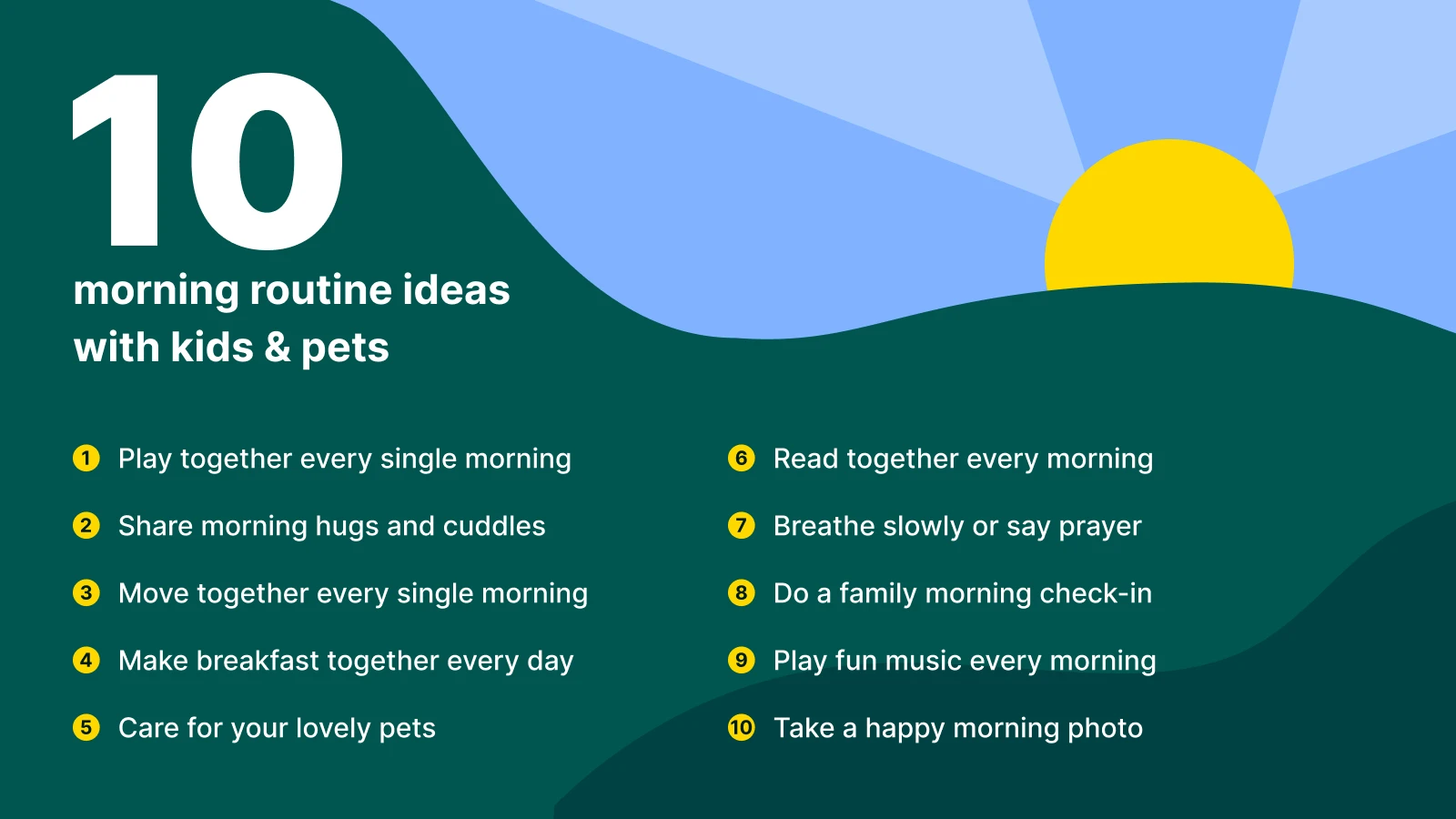
26. Play with children or pets, or all together for 5 minutes
A short time of active play with children or pets immediately lifts your mood and relieves stress. It's a small boost of energy and smiles that sets you up for a good day. It's a fun way to connect, release energy, and start the day on a high note.
27. Morning hug or cuddle time
A hug with children or a cat/dog stimulates the release of oxytocin, reduces anxiety, and makes you more patient in the morning. Even two minutes is enough. It also teaches children emotional closeness and helps everyone feel safe and valued.
28. Morning exercise together
If you have small children, involve them in light exercises or dancing. You move together, and it's fun for everyone. Even a short dance party in the kitchen can make mornings playful and set a healthy habit for the whole family.
29. Preparing a quick breakfast together
Give children simple tasks, like washing fruit or arranging plates. This exercise helps you keep up and gives your children a sense of involvement and responsibility. It's also a chance to talk and make breakfast time a small family ritual.
30. Morning pet care
For example, walking the dog or cleaning the cat's litter box is an opportunity for short physical activity, and often a little outdoors. Plus, spending these quiet moments with pets can be surprisingly calming.
31. Mini-ritual of reading together
Take five minutes to read to your children or watch a short educational video together. This practice makes mornings calmer and helps build a reading habit. Over time, it builds a calm start to the day and sets a positive example of enjoying knowledge.
32. Morning meditation or prayer with your children
Sit together for 2 to 3 minutes, close your eyes, and take deep breaths. Practicing calmness together can improve focus and emotional regulation throughout the day. Prayer teaches children to tune their spirit and soul to a good rhythm. For some, it's affirmations; for others, it's a conversation with God.
33. Family "morning check-in"
Everyone says what they have to do today or what they want to do. This practice helps plan the day, and children learn to express their thoughts. This little ritual also helps prevent morning chaos by letting everyone know what's coming and plan their day better.
34. Mini-hack: Turn on music for children
Choose a fun song or playlist for kids to help you wake up and get everyone in an active mood. Music can create a positive, joyful atmosphere that energizes the whole family. Singing or dancing together can even turn morning routines into a mini-celebration.
35. Morning photo session/moment diary
Take a small photo of your children or pets every morning. It takes a minute and can serve as a reminder of pleasant moments, motivating you to start the day with a smile. It also encourages noticing little joys in daily life that might otherwise go unnoticed.
📘 Strengthen family bonds with Headway.
Morning routine ideas based on your goal
Not every routine fits every person. Here's how to tailor yours.
Morning routine ideas for productivity
If you want to have a productive day, focus on habits that make things easier and help you concentrate:
Write down your top three tasks the night before so your workday starts with clarity.
Do a short breathwork session before opening your laptop.
Block the first 60–90 minutes of your workday for deep work before checking messages.
Use a Headway summary to prime your thinking: books on strategy, focus, or decision-making work well here.
Recommended Headway book: 'The Energy Plan' by James Collins — a practical look at managing your physical and mental energy across the whole day.
Morning routine ideas for mental health and well-being
When your mental health needs support, being gentle with yourself is better than pushing too hard:
Start with deep breaths. Even 2 minutes can help regulate your nervous system.
Write one to three things you're grateful for (use journal prompts if you feel stuck).
Spend time outside in the early morning, even just standing on a balcony.
Avoid your phone until you feel settled (this can greatly reduce anxiety).
Recommended Headway book: 'How to Stop Worrying and Start Living' by Dale Carnegie. It's full of grounded advice that translates directly into morning mindset practices.
Morning routine ideas for personal growth
If you're in a season of learning and building:
Listen to a Headway summary every morning — 15 minutes covers a full book's key ideas.
Journal what you want to become, not just what you need to do.
Use visualization to connect your daily habits to your bigger goals.
Read morning motivational quotes for work, use them as wallpaper on your screen, or write down your favorite one while journaling to build a positive mental tone early.
Recommended Headway book: 'If You're So Smart, Why Aren't You Happy?' — a fascinating look at why achievement doesn't automatically bring well-being, and what actually does.
How to build a morning routine that actually sticks
Here's where most people run into trouble. They find a great routine, try it for three days, then wake up late on Thursday and abandon it.
Here's what actually works.
Start embarrassingly small: A five-minute morning ritual is better than a 60-minute one you do twice. Pick one habit. Just one. Do it for two weeks before adding another. Habit stacking (anchoring a new habit to one you already do) is the most effective approach here. Brush your teeth, then do five deep breaths. Make coffee, then open a Headway summary. One leads to the other naturally.
Don't copy influencer routines: The 75-minute morning routine you saw on YouTube was designed for content, not for real life with a commute, kids, or a 7 am alarm clock. Create your own routine based on your actual daily schedule rather than based on another person's aesthetic.
Consistency beats perfection: A "messy" morning where you only managed to drink water and take three deep breaths is still a morning routine. You don't start over: you continue. Skipping days and trying to "make up" for lost time is how burnout sneaks in. James Clear's 'Atomic Habits' makes this point clearly: missing once is fine, missing twice in a row becomes the new habit. Headway's summary on 'Atomic Habits' is a good place to understand why small consistency matters more than big effort.
Protect your wake-up time: One late night doesn't have to ruin your whole daily routine. Set a consistent wake-up time, even on weekends, and your body will adjust faster than you think. Your alarm clock isn't the problem; your night routine is what really matters.
For a deeper read on building morning habits, Headway's blog post on 'The 5 am Club' is worth 10 minutes of your time.
Make your morning routine stick with Headway
The best morning routines aren't about doing more. They're about choosing habits that align with your life, goals, and energy.
That's where Headway fits in: not just another task, but the simplest way to learn something useful before your day gets busy. While you make coffee or get ready, you can listen to a 15-minute summary of a bestselling nonfiction book. You get practical ideas, daily self-growth challenges, and book collections organized by goal, whether you want better focus, stronger mental health, or just to feel calmer.
Learning in the morning doesn't have to feel like work. With Headway, it feels like a conversation with someone who's already read the book for you.
Download Headway and start tomorrow with something that matters.
FAQs about morning routine ideas
What is the best morning routine?
The best routine is the one you can stick with. Drinking a glass of water, taking a few deep breaths, and spending five minutes reading or listening to something helpful is better than a 90-minute routine you give up on by Wednesday. Start with two or three habits and add more over time.
How long should a morning routine be?
It doesn't need to be long. Even 10 to 15 minutes can give you a helpful buffer between waking up and starting your day. If you have 30 minutes, that's great. If not, five focused minutes still count as a morning routine and still work.
Can a morning routine improve productivity?
Yes, and the research is consistent on this. A structured start to the day reduces decision fatigue, improves focus, and sets a clearer direction for your workday. The key is protecting that first window of time before distractions take over.
What if I am not a morning person?
You don't have to wake up early to have a morning routine. If you wake up at 8 am, your routine starts then. The habits matter more than the time. Focus on reducing screen time, adding some movement, and planning your day, no matter when you wake up.
What is one morning habit that really changes your day?
Staying off social media for the first 30 minutes. This method gives you time to wake up on your own terms, think your own thoughts, and start with intention. Everything else becomes easier after that.