Self-growth
 Business & Career
 Success
 Communication
 Healing
 Relationships
 Psychology
 Happiness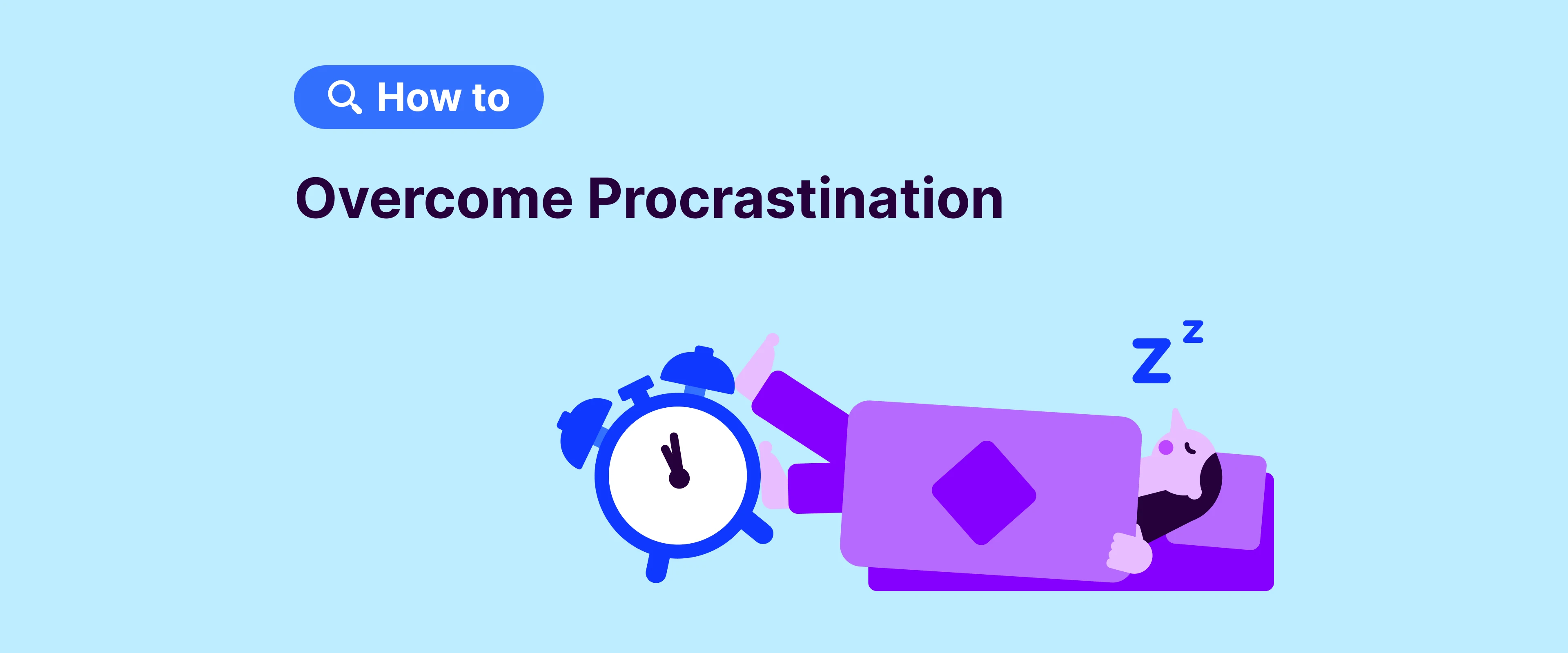
Ever deep-clean your apartment to avoid a deadline? Or lose an hour on social media while important tasks wait? Procrastination habits mess with almost everyone's productivity and pile on stress you don't need.
This article shows how to overcome procrastination with approaches from productivity experts Brian Tracy and Damon Zahariades, authors of 'Eat That Frog' and 'The Procrastination Cure.' You'll see why your brain delays tasks and what stops the cycle.
Headway provides 15-minute summaries of procrastination books, complete with spaced repetition reminders, to help concepts stick instead of fading away. Learn Brian Tracy's techniques without reading full books, then receive notifications that reinforce what you've learned, so you remember when procrastination tries to creep back.
📘 Download Headway and learn what beats procrastination for good!
Quick Answer: How do you overcome procrastination?
Stop procrastinating by fixing what causes delays and blocking what distracts you:
Do your biggest task first – Brian Tracy's "eat the frog" method means starting your day with the most challenging and important work. Everything else gets easier after you finish what you've been avoiding.
Split big projects into small chunks – Break large work into pieces you can finish in 25-minute sessions. Tasks stop feeling overwhelming when they're divided into segments you can actually complete today.
Block distractions physically – Turn off phone notifications and use website blockers to stop social media during work hours. You can't scroll what you can't access.
Procrastination unpacked: Why do we do it?
Procrastination — the tendency to delay important tasks — is a universal challenge many face. It's an unhealthy habit that can creep into our daily lives, compromising our efficiency and even leading to overthinking and mental health complications.
Swallowing the frog: Brian Tracy's productivity advice
As Brian Tracy, a well-known expert on productivity, emphasizes in his best-seller 'Eat That Frog,' we often tackle smaller tasks while pushing bigger projects to the last minute because we fear the time and effort they'll require.
These larger tasks or "frogs" might seem boring, tedious, or simply unpleasant. Since our brains naturally seek pleasure and avoid discomfort, we push back against this kind of challenge, avoiding a more productive alternative, which is:
"If it's your job to eat two frogs, it's best to eat the biggest one first."
When facing this dilemma, Tracy reminds us to focus on why we set these goals in the first place:
"Goals are the fuel in the furnace of achievement. The bigger your goals and the clearer they are, the more excited you become about achieving them. The more you think about your goals, the greater becomes your inner drive and desire to accomplish them."
The antidote to procrastination: Zahariades' quest for a cure
Damon Zahariades, author of 'The Procrastination Cure,' digs deeper into the psychological origins behind the question "Why do you procrastinate?" He suggests that our tendency to procrastinate often stems from insufficient motivation, perfectionism, or fear of failure eating us up before we even start. This reality is why the author reminds us:
"You'll nearly always find that your greatest fears are unfounded. Remember, fear, in all of its manifestations, is powerful because it hides from view. When we confront it head-on, it contracts."
When we doubt our abilities or fear making mistakes, we turn to procrastination as a way to cope. In these cases, a typical suggestion like creating a to-do list might feel overwhelming, as lengthy lists without proper prioritization can encourage our brains to concentrate on short-term tasks:
"If you give yourself two hours to complete a task, you'll probably take two hours to complete it. Shorten the time available to 90 minutes, and you'll complete the task in that condensed timeframe."
Taking inspiration from works by Tracy, Zahariades, and Steve Scott's 'How to Stop Procrastinating,' Headway recommends starting your winning journey with several simple steps. But let's first clarify why procrastination isn't as harmless as it might seem.
When procrastination turns into a mental health concern
While occasionally pushing tasks to tomorrow is common, psychology experts Rebecca Stead, Matthew J. Shanahan, and Richard W.J. Neufeld suggest that chronic procrastination may signal deeper mental health issues. Here are a few indicators that your procrastination might be linked to mental health:
Anxiety and depression often manifest themselves as procrastination. Worries about not succeeding, a sense of not being good enough, and decreased motivation can all lead to delayed task completion.

ADHD typically exacerbates difficulties with concentration and structuring tasks, which can lead to delayed action.
Perfection, though it might seem like a positive trait, can paralyze you from within, resulting in avoidance and delays.
If procrastination casts a shadow over your daily life, consider seeking professional counseling. In 'How to Stop Procrastinating,' S.J. Scott recommends self-reflection through these crucial questions:
"So, ask yourself these important questions: What am I afraid of? What is the worst possible consequence that could happen? What could happen if I ignore the situation? Why am I putting this off? Is there any benefit to putting this off? How often do people die from avoiding a situation like this? Am I trying to convince myself of something that's not true? Am I scared of the process or the result? Can I handle the outcome? Am I trying to protect myself from a certain outcome? Am I actually scared, or was I just told this was scary?"
A mental health specialist can help you uncover the real reasons behind your procrastination. Together, you can devise self-improvement strategies that match your unique situation.
Five steps to end procrastination and enjoy being productive
First of all, remember to be kind to yourself. Procrastination is a common struggle you can overcome with the right strategies and support. As we announced above, let's begin unpacking those simple yet strategically essential steps.
📘 Learn what productivity experts know — get Headway today!
Step 1: Unmask the procrastination culprit
Think of procrastination as a warning light on your dashboard — it often signals deeper issues. Fear of failure frequently takes the driver's seat, causing people to steer clear of tasks on their list of things to complete when they feel unprepared to reach their destination. This anxiety often shows up as nagging self-doubt or nervousness, creating barriers between you and your goals.
While perfectionism might seem beneficial at first glance, it often acts more like a brake pedal. The relentless pursuit of flawlessness can leave you frozen in place, terrified of producing anything less than perfect results.
Feeling overwhelmed is another common problem many face when they have too much to think about. When you have a lengthy checklist in hand, it's easy to feel like you're drowning in stress and want to put off the most challenging tasks. In 'How to Stop Procrastinating,' Steve Scott offers a reassuring perspective:
"It's not that hard to stop procrastinating. Really, all you have to do is form the same habits used by countless successful people and make them part of your routine."
By identifying what's really driving your procrastination, you can start implementing strategies to address it and reclaim control of your time.
Step 2: Break down your to-do list and use time management techniques
Ever catch yourself beating yourself up about wasted time? While we can't reclaim yesterday, we can gain a sense of redemption by preventing tomorrow from becoming another replay of our past mistakes. Remember that "a year from now, you'd wish you had started today." Let's explore why "breaking down important tasks" and using smart "time-management instruments" are worth occupying a place on your daily schedule.

Facing your giant or the power of task breakdown: A helpful tactic to address procrastination is to divide large and intimidating tasks into more feasible portions. This method, commonly known as "chunking," helps us feel less stressed because tasks seem more attainable when arranged as time-wise, manageable segments, allowing you to focus on one item at a time.
Mastering your action or the art of time management: Want to level up your productivity? Time management techniques from proven experts can help you exercise deep focus, or the ability to "concentrate solely on one task, removing distractions and enabling your brain to work at its highest level." Headway recommends the Pomodoro Technique — working in focused 25-minute intervals with short breaks between sessions. This approach can help you maintain concentration and prevent exhaustion or burnout.
Brian Tracy's 'Eat That Frog' highlights tackling your biggest, most important task first — your "frog." By recognizing and addressing your top priority first, you can build balanced momentum and prevent spending time on trivial activities. It can equip you with the strength to overcome procrastination and achieve your goals.
Step 3: Create a distraction-free environment
Setting an environment free from distractions is a doable task. To succeed, start by minimizing notifications on your smartphone, as it is usually the primary source of distraction. Zahariades recommends turning off non-essential alerts and using tools to limit access to "time-stealers" like YouTube or X during work hours:
"If you normally procrastinate by checking social media, use a website blocker (e.g. SelfControl, Freedom, HeyFocus, etc.) to block Facebook and Twitter for 30 minutes at a time. Gradually increase the duration of the blocks each week."
Consider installing an ad blocker on your computer to reduce the constant stream of ads. As Brian Tracy emphasizes in 'Eat That Frog,' minimizing distractions is a must for sustaining focus and boosting productivity:
"You can get your time and your life under control only to the degree to which you discontinue lower-value activities."



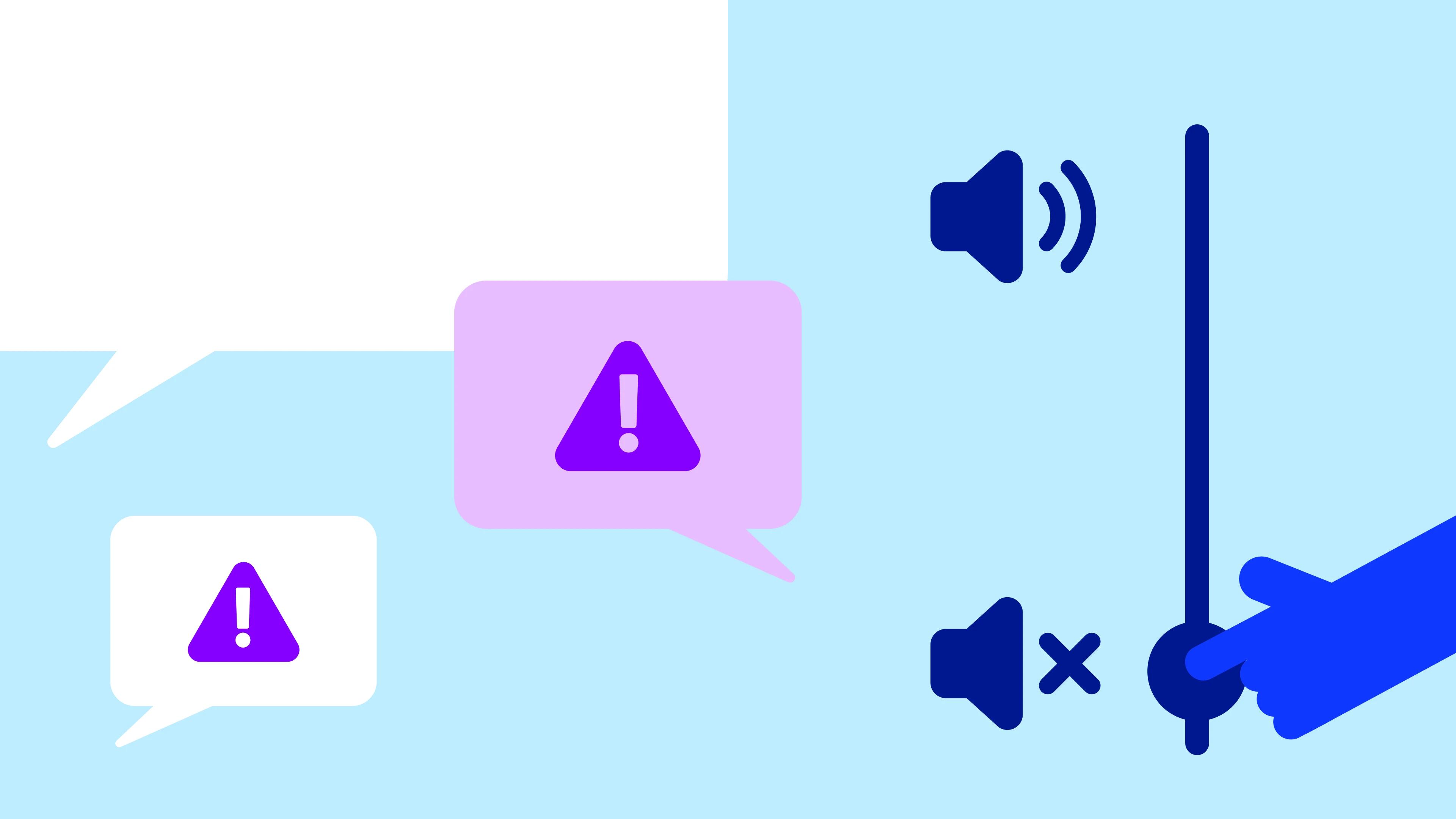
Your physical workspace plays a crucial role in how well you can focus. To enhance concentration, set up a clutter-free, cozy area with a neat design. Scott is particularly vocal about how a well-organized environment equipped with good lighting and easy access to essential materials can help clear your mind and speed up your process of getting into a productive groove without getting overwhelmed.
"In our modern society, it seems like many folks wear their overworked, overbooked, frenetic schedule like a badge of honor."
Investing in workspace ergonomics and creating a comfortable, supportive environment reduces physical and mental strain, boosts productivity, and fosters a more enjoyable work experience.
Step 4: Build up your accountability and self-motivation
To boost your motivation levels, consider teaming up with a friend to stay accountable. Set a regular time to check in with each other to share updates and tackle any new challenges. Such a "social support routine" keeps you on track, especially when you feel like giving up.
You may also want to explore digital tools available on the Google Play Store or App Store that help track behavioral patterns, making your self-growth journey more efficient.
Setting clear deadlines for your tasks can sharpen your focus and drive. Break larger projects into smaller, more manageable steps, and assign a specific timeframe for each step. Once you complete each step, reward yourself with something fun — like dancing to your favorite K-pop song, enjoying a tasty snack, or reading a few pages of a book.
Changing where you sit while reading can also help keep your energy up, improving your blood circulation. These small rewards or positive reinforcements can help keep motivation strong and maintain your momentum.

Records of your progress will help you see how far you've come. Use a journal or an app to record your accomplishments on a monthly, daily, or weekly basis. Reflecting and consistency will propel you to aim for new goals, whether big or small.
📘 Quit putting off important tasks — download Headway today!
Step 5: Cultivate self-compassion and embrace growth
Self-compassion can be a powerful way to loosen the grip of procrastination on you. Instead of getting stuck on past mistakes or putting yourself down, try to forgive yourself and focus on moving forward. Being kind and understanding to yourself can help reduce stress and improve your emotional well-being, which boosts your motivation to take action.
Remember, it's okay to stumble; these moments can teach you valuable lessons and help you grow, so avoid unnecessary negative self-talk. By adopting this mindset, you may soon begin to notice positive changes in your productivity and overall life satisfaction. Approaching tasks with excitement and a positive attitude can help reduce anxiety and build resilience against the fear of failing.
As Damon Zahariades points out in his book, 'The Procrastination Cure,' acknowledging what you achieve reinforces the idea that you are taking a step further, not getting stuck.
To refine your habits, pay attention to what triggers your procrastination. Once you know what causes you to put things off, you can develop strategies to manage or reduce their impact. By recognizing each small win and not pushing yourself too hard, you can slowly build momentum and become better at avoiding procrastination.
Ready for advanced steps? Try out "if-then" planning
To improve your productivity and overcome procrastination, consider using some practical techniques that can make a quality difference in your daily work. One approach is to set up a "commitment device," which means creating consequences for not following your plans. Another helpful strategy is "implementation intention," where you make a specific plan outlining when, where, and how you'll achieve your goals.
A common way to use implementation intentions is through the "if-then" method. For example, you could say, "If it's 9 am, then I will spend half an hour working on my report." This mindset can keep your motivation alive and directed. Additionally, sharing your goals and progress with someone you trust can serve as a commitment device, making it more likely you'll stick to what you set out to do.
By combining these strategies with ideas from books like 'Eat That Frog,' 'How to Stop Procrastinating,' and 'The Procrastination Cure,' you can train yourself to stop putting off important tasks. These techniques can be beneficial in managing your time more effectively and accomplishing tasks.
Overcome procrastination by using Headway!
Learning how to overcome procrastination comes down to doing your biggest tasks first, splitting overwhelming work into smaller pieces, blocking distractions before they derail you, and building self-discipline through accountability and self-compassion.
Productivity experts like Brian Tracy and Damon Zahariades spent years figuring out why people procrastinate and what actually stops it.
Learn what helps beat procrastination without reading full books. The Headway app tracks your learning streak and sends reminders, keeping you consistent, which helps build self-discipline and self-esteem, and prevents procrastination before it starts.
📘 Download Headway and quit delaying what needs doing!
FAQs about how to overcome procrastination
How do I stop myself from procrastinating?
Do the most important things at the start of your day, not small tasks that feel easier. Block social media before you work. Split big projects into pieces you can finish in 25-minute sessions. Inform someone about your deadline so they'll inquire about it later. Reward yourself after each finished piece — don't wait until the entire project is done.
What is the 80/20 rule of procrastination?
20% of your tasks create 80% of your results. Most people spend their amount of their time on the easy 80% that doesn't matter much. Focus on the 20% of work that changes outcomes. Identify which tasks on your list yield results, and then complete those before tackling anything else today.
What is the root of procrastination?
Procrastination isn't laziness — your brain avoids negative feelings, such as the fear of failure, perfectionism, or feeling overwhelmed. When tasks trigger anxiety or self-doubt, your brain picks scrolling or cleaning instead. Procrastination shields you from uncomfortable emotions temporarily, but creates greater stress when deadlines arrive, and unfinished work keeps stacking up.
How to rewire your brain to stop procrastinating?
Start tasks immediately instead of waiting until you "feel ready." Use the Pomodoro Technique with 25-minute work blocks, teaching your brain that beginning isn't terrible. Track your daily progress to see what you've accomplished. Forgive yourself when you slip — guilt after procrastinating once makes the next delay more likely, not less.