Self-growth
 Business & Career
 Success
 Communication
 Healing
 Relationships
 Psychology
 Happiness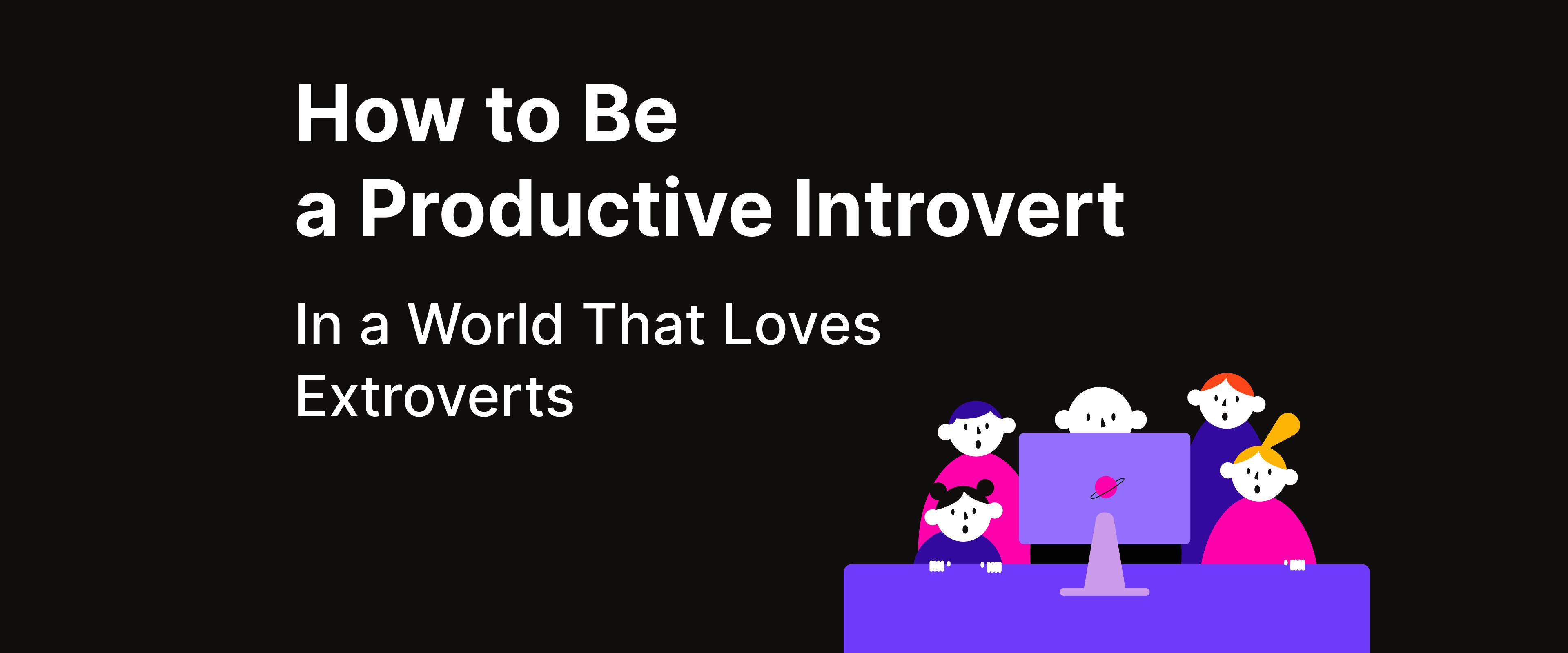
Ever feel exhausted after meetings that extroverts leave energized? Workplaces reward people who talk the loudest in brainstorming sessions and dominate social media with constant posting. Figuring out how to be a productive introvert in a world that loves extroverts comes down to using what your personality type does well rather than trying to be someone else.
Introverts often hear that they need better social skills or should "come out of their shell," when being introverted isn't a problem that needs fixing. Susan Cain's book 'Quiet: The Power of Introverts' explains what introverts do that extroverted workplaces overlook.
This article covers Cain's research on staying productive without pretending you're extroverted. Headway offers books like 'Quiet' and other productivity resources in a 15-minute summary format with life hacks for introverts working in extroverted spaces. Learn what works for your personality type from people who researched this matter.
📘 Download Headway and stop pretending to be someone you're not!
Quick answer: How to be a productive introvert in a world that loves extroverts
Quit forcing social interactions that drain you and lean into what introverted people actually excel at:
Make spending time alone non-negotiable – Being around a group of people or handling small talk can be exhausting. Schedule weekly solo time and keep it. Find quiet workspaces with screens or booths that shut out noise. Introverted people need solitude not just to relax, but to function effectively.
Say no without explaining yourself – Declining invitations feels wrong, but saying no prevents burnout. Skip events causing social anxiety when you're tired. See friends when you're ready, not when guilt pushes you out the door.
Lean into introvert strengths – You think deeper, listen harder, and spot problems others miss. Quit apologizing for what extroverts mistake for shyness when you're analyzing information they're ignoring.
Are introverts less able and less likely to succeed?
Far from it. Introverts have the power to be far more effective leaders than extroverts, with creativity and logical thinking just one of the powers they possess. Additionally, acting in a way that doesn't come naturally can lead to exhaustion and cause you to stray from your natural skills. As a result, you're far less effective than if you embraced your introverted nature and learned how to make the most of it.

“There’s zero correlation between being the best talker and having the best ideas”
Susan Cain
For instance, feeling that you need to be more vocal when dealing with people one-on-one means that you can't use your natural empathy to its highest degree. Being forced to work in a loud and highly collaborative environment means that you don't get the solitude you need to focus on a task and unpick it.
It often makes people analyze and come up with new solutions to the problem at hand. This means you make more mistakes, miss things, and are generally less productive. Sure, extroverts might be more "fashionable" these days, but sometimes going against fashion can be more fun!

Top five traits of an introvert and why they are useful in life
If you need a little more food for thought, let's look at the top 5 traits of an introvert and explain why they're so useful in life.
1. Creativity
Introverts are highly creative, as they tend to think deeply and explore various approaches to problem-solving. It helps you think outside the box and develop solutions or ideas that are more likely to succeed.
2. Empathy
Introverts are naturally empathetic people who understand how someone feels based on their body language and the way they carry themselves. It is a valuable skill for a leader in the workplace and someone who can relate to team members on a personal level.
3. Analytical skills
Working hand in hand with creativity, introverts tend to spend time carefully examining a problem and analyzing it logically. It means a higher quality of work and a lower chance of making mistakes.
4. Good listener
The fact that introverts don't feel the need to fill every silence with chatter means they can really listen to what someone says. Listening isn't always about hearing words. Instead, it's about analyzing body language and the words to understand what is going on. For both leaders and team members, this is an efficient skill.
5. The ability to see the bigger picture
While an extrovert might rush into solving a problem, an introvert is more likely to consider the consequences of a decision. They may be slower to make a final choice, but they carefully plan what to choose, and therefore are less likely to fail.
"Don't think of introversion as something that needs to be cured" — Susan Cain
Throughout the book, Susan Cain highlights why these traits benefit productivity, self-esteem, and general decision-making in everyday life. Extroverts might get more column inches, but that doesn't mean they're more effective!

Understanding this point allows you to embrace your natural identity and work with it rather than against it. Learn to love who you are, and your confidence and self-esteem will soar in return. Life isn't about trying to be someone you're not, or about trying to fit in with the crowd.
Attempting to do so has consequences for your entire life, including productivity. Instead, learning to embrace your natural skills and personality will enable you to leverage your strengths and enhance their effectiveness.
📘 Work as an introvert in extroverted spaces — get Headway!

Five ways to find optimum conditions to be yourself
We've discussed how you need to embrace who you are, but you also require the right conditions to do so. So, what situations will make it easier for you to learn to love your introverted nature?
1) Seek out regular time alone
Introverts need solitude to recover from the fast-paced and loud lives we all live. Doing this will allow you to focus on your strengths and perform to the best of your ability. So, schedule in a little "me" time and never cancel it. While working, look for quieter environments, such as quiet zones, booths, and desks with screens around you.
How about a full day of total "me" time every week? Perhaps on a Saturday, spend time doing the things you want to do alone. Head out for a coffee, go and see a movie, visit the spa, chill at home — do whatever you want to do without feeling the need to include others.
2) Learn to say "no"
Never be afraid to say "no" to something you can't do. Introverts tend to feel that saying "no" is bad, but it's right from time to time! It allows you to manage your time more effectively, avoiding overloading and reducing stress. For instance, if your friends call you and ask you to go out for coffee, but you want to chill out and recharge your batteries, don't be afraid to say "no." You can see them another time!
3) Use your natural creativity
It's easy to feel like you need to use your logical brain more often. Yet it's essential to remember to nurture your innate creativity and use it regularly. Look for creative solutions to problems, and don't be afraid to suggest them, even if you think someone will laugh. Remember, people only make fun of things they don't understand!
4) Focus on your health and well-being
To maintain your calm and empathetic nature, you must first take care of yourself to be a fantastic leader and friend. Don't doomscroll too much or procrastinate a lot — it affects your productivity. Ensure you get plenty of exercise, eat a balanced diet, and get sufficient sleep. It will enable you to remain productive and healthy simultaneously.
📘 Try Headway and use your introvert strengths today!
5) Cultivate a positive mindset
It can be easy for an introvert to be dragged down by the demands of life, especially if you're trying to work against your innate nature. Maintain a positive mindset as much as possible; consider using positive affirmations to support you.
"So stay true to your own nature. If you like to do things in a slow and steady way, don't let others make you feel as if you have to race" — Susan Cain
It never works when you are trying to be something you're not. Feeling ashamed to be who you are because society expects you to be something different can lead to low self-esteem and a lack of overall productivity
Learn to appreciate your introverted nature and understand why sometimes being a little quieter is a better option than shouting from the rooftops! Throughout 'Quiet: The Power of Introverts,' Susan Cain helps introverts feel in control of their personality. She highlights why the traits associated with introversion are far more beneficial than we're led to believe.
At the end of the day, do you want to live your life being someone you're not? It's like trying to force a square peg into a round hole — it just doesn't work, and eventually, it chips away at the edges, causing damage. So look after yourself by being yourself, no matter what society says.
Learn how to be a productive introvert with Headway!
Learning how to be a productive introvert in a world that loves extroverts means using what you do well — deep thinking, empathy, analytical skills — without forcing yourself into constant social situations. Work in your own way: schedule alone time, decline draining events, protect your mental health in an extroverted world obsessed with public speaking and group collaboration.
Still unsure? Maybe you need a small push — check out these articles on motivation for every possible scenario in life:
Headway is here to help: we have books like 'Quiet: The Power of Introverts' in both audio and text summary formats. You can learn Susan Cain's strategies for navigating extroverted workplaces without spending a lot of time on full books. Our app reminds you of what you learned, so you won't think of faking an extroverted personality again.
📘 Download Headway and quit pretending today!
FAQs about how to be a productive introvert in a world that loves extroverts
How to be productive as an introvert?
Schedule time alone to think without interruptions. Work in quiet spaces away from large groups when you need to focus. Decline meetings and social events that drain your energy. Use what you do well — deep thinking, listening, analyzing — instead of copying what an extravert does. Stop apologizing for needing quiet and protect your energy, produce your work.
Are most CEOs introverts or extroverts?
CEOs are split roughly evenly between introverts and extroverts, although many people assume all leaders are extroverted. Bill Gates, Warren Buffett, and Mark Zuckerberg are introverts. Extroversion doesn't determine leadership ability. Introverts lead by listening, analyzing, and thinking before deciding. Extraverts tend to lead by talking and making decisions quickly. Both types run successful companies.
What career is best for an introvert?
Careers that let you work independently without constantly performing. Writing, programming, research, accounting, data analysis, graphic design, editing. Some introverts teach or do therapy where interaction happens one-on-one. Avoid jobs that require constant networking or managing large teams if they exhaust you. Pick work that fits you, not what Carl Jung's personality theories say you should do.
Which major is best for introverts?
Computer science, mathematics, engineering, library science, biology, chemistry, accounting, or anything with research components. These let you focus on problems instead of constant presentations or group projects. History or philosophy work if you prefer reading and writing over discussing. Pick what interests you, not just what avoids people — introverts can study anything.
What not to do to an introvert?
Avoid forcing unexpected social situations without warning. Don't interrupt their alone time, then get upset when they seem annoyed. Don't assume they're sad, angry, or antisocial because they're quiet. Don't make them explain why they need space, and lastly, don't tell them to "come out of their shell" when being quiet isn't a problem.