Self-growth
 Apps & Digital Tools
 Business & Career
 Success
 Growth Tools
 Psychology
 Communication
 Relationships

Burnout after vacation can hit on your first morning back, when a few hundred unread emails are waiting, and you're already counting the days to your next break. In a study of 131 teachers, reported burnout dropped after time off, then crept back within a month. It returned faster for people who came back to heavy workloads.
Below you'll find a side-by-side table, a first-week plan, and tips from five book summaries. The tips come from authors like Oliver Burkeman, Nedra Tawwab, and Brené Brown. Want their ideas in bite-sized form?
Download the Headway app and start with one 15-minute summary.
Disclaimer: This article is for educational purposes only, and results vary from person to person. If you have symptoms of burnout, consult a specialist. Headway is not a diagnostic tool or a medical tool. It's a microlearning and daily growth app.

Quick summary: Burnout after vacation in five lines
Short on time? Here's the whole picture in five lines.
Burnout after vacation means stress outlasted your time off.
Burnout is physical and emotional exhaustion.
Rest effects fade fast when workload and stress stay the same.
Returning mid-week and setting email limits eases the first days back.
If exhaustion or low mood lasts, see a specialist.
Keep reading for the full guide, including tips from 'Four Thousand Weeks', 'Why We Sleep', and three more book summaries.
What is burnout after vacation? When time off doesn't refill the tank
Burnout after vacation is the exhaustion, low motivation, or dread that follows time off because the stress behind it never went away. Burnout is a state of physical and emotional exhaustion where you end up feeling exhausted even after a break. Burnout builds over time from prolonged stress, so a few days away rarely clears it.
Burnout isn't a medical diagnosis, according to Mayo Clinic. Still, it affects your physical and mental health, and it can raise the risk of depression. That's reason enough to take it seriously.
The research on rest is plain. A review of 7 studies by de Bloom and colleagues found that vacation gives a small lift to health and well-being, and the lift fades soon after work resumes. In the teacher study by Kühnel and Sonnentag, burnout fell after time off and came back within a month (free abstract).
Your vacation did its job. The workload waiting at home is what brought the exhaustion back. That's a useful way to see it, because once you spot the real culprit, you can start changing it.
📘 Get reset ideas from bestselling nonfiction on Headway!
Why you feel burnout after vacation: Stress that stayed in survival mode
Burnout after vacation happens when stress keeps running in the background while your body rests. Three things usually feed it, and together they can lead to that drained, flat feeling.
Your stress didn't take the week off
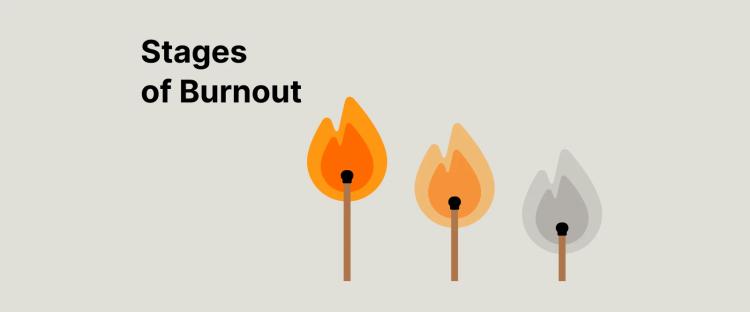
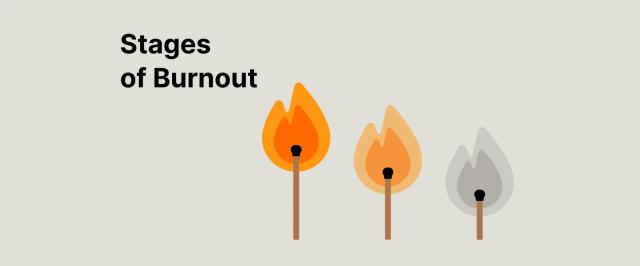
Months of pressure don't clear in a few days. Many people describe it as living in survival mode, with a nervous system that stays on alert even in a beach chair, far from work, making it hard to truly relax. Your calendar says you're off, but your body hasn't gotten the memo. Here's how burnout builds, one stage at a time.
The pre-trip sprint and the post-trip pile
Many employees work extra hours before they leave, then come back to a backlog. In the teacher study, heavy job demands after vacation sped up how fast people lose the benefits. Take a team that quietly saves every request for the day you return. By lunch on your first day, the week away feels like a month ago.
The high achiever trap: Guilt, urgency, and pressure
Performance culture confuses urgency with importance and exhaustion with success. That leaves a high achiever who felt guilty resting, still checking Slack from the pool, driven by a fear of falling behind. Loved ones can absorb the leftover stress, too. If your partner or friends get your short temper after a trip, this piece on relationship burnout shows how it spills over.
The short version of what feeds it:
Long-term stress that built up long before the trip.
A pre-trip sprint to clear your desk.
A backlog waiting on your return.
Guilt about resting.
Burnout after vacation vs post-vacation blues: How to tell them apart
Burnout after vacation and post-vacation blues feel alike on day one, but in a real-world sense, they behave differently over time.
| Post-vacation blues | Burnout after vacation |
|---|
What it feels like | Flat, slow to restart, missing the trip | Drained, detached, dreading work |
Timing | Eases as your routine returns | Lingers or gets worse after the first weeks |
Energy and focus | Dips for a few days | Chronic fatigue, trouble concentrating |
Usual trigger | Travel fatigue, a change of routine | Prolonged stress that was there before the trip |
What helps first | Sleep, routine, a gentle first week | Lighter workload, boundaries, rest, support |
Persistent symptoms like exhaustion and low mood may indicate burnout or other issues requiring attention. Treat the table as a rough guide. It can't diagnose anything.
Signs of burnout after vacation: Emotional exhaustion that follows you home
Burnout can manifest through chronic fatigue, leaving you completely exhausted, and causing difficulty concentrating after returning from a vacation. Here's what to watch for. For a fuller list, see this guide to the symptoms of burnout.
Chronic fatigue that sleep doesn't fix.
Trouble concentrating on tasks you handled before the trip.
Dread on Sunday evening, worse than usual.
Irritability with colleagues or loved ones.
Feeling numb or detached about work.
Low motivation to start anything.
Headaches, tight shoulders, or stomach trouble.
Anxiety about the backlog that doesn't ease.
If the fatigue and numbness sound familiar, this piece on mental exhaustion helps explain what's going on.
Some of it shows up in small moments. It's the first meeting back, and your mind goes blank on a project you ran for two years. Or it's the evening you decide to "just catch up," then look up at midnight with 40 new emails and no energy left.
A six-question check-in (not a diagnosis)
Answer yes or no to each statement.
Your fatigue is still there two weeks after you got back.
You struggle to focus on routine tasks.
You feel dread about work most days.
You felt this way before the trip, too.
You're more irritable or numb than usual.
Rest days no longer help.
Several yes answers, especially to 1, 4, and 6, point to burnout more than blues. This check-in isn't a diagnosis. If you have symptoms of burnout, consult a specialist.
Your first week back: A calm plan for burnout after vacation
A gentle first week can take the edge off burnout after vacation. Try these seven steps in order, or pick the two that fit your job.
Return mid-week if you can. Transitioning back to work is easier mid-week than on a Monday. If that's not possible, add a buffer day at home between landing and your first workday.
Set email boundaries before you open the inbox. Email boundaries can reduce anxiety when you return to work. A simple strategy is to send this line first: "Hi team, I'm back and working through messages in priority order. For anything urgent, call me. Otherwise, I'll reply by Thursday."
Set realistic expectations for week one. Say out loud that you won't be at full speed. Your boss and colleagues usually adjust faster than you think.
Prioritize with a short list. Setting realistic expectations and prioritizing tasks can help manage post-vacation stress. Pick the three tasks that matter most each day and park the rest.
Protect your sleep. Fix a wake time and keep it for the full week.
Plan one recovery block after work each day. In the teacher study, relaxation after vacation delayed the fade-out, so this step is grounded in research. A short yoga session, a walk, or a phone-free hour all count. Pick one that gets you to engage with something other than work.
Talk to your manager if the load is already too high. If you feel stuck, this guide to recovering from burnout while still working can help you plan the conversation.
📘 Test a calmer first week with book-backed tips on Headway!
What employers can do for returning employees?
Burnout after vacation is partly a workplace problem. Employers should communicate boundaries to prevent returning employees from feeling overwhelmed. That matters because, in the teacher study, job demands after vacation sped up the fade-out. A calmer return protects productivity, too.
No meetings on the first morning back.
A clear handover and a named backup who shares the responsibility.
A capped backlog, so nothing piles up unseen.
A check-in on day three.
A rule that nobody schedules deadlines for the return week.
If you're the one asking for change, bring this list to your boss.
Regular breaks beat one big trip: How to prevent burnout before your next vacation
Regular breaks give you more energy than one big trip. Your next vacation will land better when the months before it include real rest. The review of 7 studies explains why: the lift from time off fades soon after work starts again, so one long trip can't carry a whole year.
Preventing burnout comes down to small, repeatable habits:
Take a long weekend or a day off between big trips, and again after the holidays.
Take a real lunch break away from your screen.
Keep healthy boundaries between work and home, like a set time to log off.
Plan a lighter next vacation with a buffer day and fewer activities.
Tell loved ones that the first days back will be quiet.
For a longer playbook, see how to prevent burnout.
When burnout after vacation needs a specialist: A mental health check
If you have symptoms of burnout, consult a specialist. Headway is not a diagnostic tool.
Persistent symptoms like exhaustion and low mood may point to burnout or to other issues that need attention. Mayo Clinic notes that burnout can raise the risk of depression, so your mental well-being is worth a real check. If you can't cope with the dread on your own, reach out early.
Reach out sooner if any of these show up:
Your symptoms last beyond a few weeks.
Your sleep or mood drops.
Thoughts of self-harm appear.
If you're in the US and you have thoughts of self-harm, call or text 988 to reach the 988 Suicide & Crisis Lifeline for help in everyday life, any time.

Practical tips from book summaries: How to rest without guilt after a busy trip
Headway book summaries are a quick way to test an idea before you commit to a full book. Use them as idea starters. They can't treat burnout, and a specialist can.
1. 'Four Thousand Weeks': Accept that the to-do list never ends
Oliver Burkeman's point is simple: finishing everything isn't possible, so choose what to leave undone. Try this: write a "not this week" list next to your to-do list and move three items onto it.
2. 'Set Boundaries, Find Peace': Say your email limits out loud
Nedra Tawwab describes a boundary as a clear statement about what you will do. Try this: write one sentence that says when you check messages, then share it with your team.
3. 'Why We Sleep': Fix your wake time first
Matthew Walker explains how travel and late nights scramble your sleep schedule. Try this: keep the same wake time for seven days and jot down your energy at 4 p.m.
4. 'Peak Performance': Treat rest like part of the work
Brad Stulberg and Steve Magness show that stress followed by real recovery is how people build capacity. Try this: book one 20-minute recovery block in your calendar each workday this week.
5. 'The Gifts of Imperfection': Drop exhaustion as a badge of honor
Brené Brown argues that rest isn't a reward you earn after the work is done. Try this: finish this sentence daily for a week: "I rest because I am allowed to, not because I earned it."
📘 Start with one summary and see which idea fits on Headway!
Why Headway works when your schedule is already full
Headway is a microlearning app, so it can't treat burnout. It can help you keep a small, steady habit on busy schedules. Here's what's inside:
Audio and text summaries of nonfiction bestsellers, about 15 minutes each.
Personalized growth plans built from your goals after a short quiz.
Spaced repetition cards and highlights, so key ideas stick around.
Offline mode for flights, commutes, and spotty signal.
CarPlay and Android Auto support for hands-free listening on the road.
Daily streaks that reward showing up, even for 3 minutes.
Turn your first week back into a reset with the Headway app
Burnout after vacation tells you the workload outlasted the rest, and small changes can ease it. Name what you feel, set limits on week one, and pick one small habit for your daily routine. If you want more ideas on rest and boundaries, summaries are a low-pressure place to start.
Headway turns nonfiction bestsellers into 15-minute summaries you can read or listen to. You get personalized recommendations based on your goals, plus streaks and challenges that make showing up feel good. Not sure which book to open next? Start with a summary, then decide what's worth the full read.
Download the Headway app and pick your first summary today. Headway is not a diagnostic tool and doesn't replace professional support.
FAQs about burnout after vacation
Can you get burnout after a vacation?
Yes, burnout after vacation is possible, and it usually means the stress was there before you left. A week off can ease exhaustion for a while, but the workload, pressure, and guilt wait at home. When they hit again, the drained feeling returns, if it lasts for weeks, talk to a doctor or another specialist.
Why do I feel more tired after a vacation?
Travel often shifts your sleep schedule, and a packed itinerary can leave your body with less real rest than a normal weekend. Add a pre-trip sprint to clear your desk, plus a late flight home, and you land already drained. A fixed wake time for the first week helps your body settle back into its rhythm.
How long does it take to recover from burnout after a vacation?
It depends on the person. Post-vacation blues usually ease as your routine returns, often within days. Burnout after vacation tends to linger or worsen because the cause is prolonged stress, not the trip itself. If tiredness, dread, or low mood last beyond a few weeks, reach out to a specialist for support.
Is burnout after vacation the same as post-vacation blues?
They overlap, but they aren't the same. Post-vacation blues feel flat and fade as your routine returns. Burnout after vacation sticks around and comes with chronic fatigue, trouble focusing, and dread about work. At first, it can look like just exhaustion, so check the timing and ask if you felt this way before the trip.
Why do I feel anxious or low after coming back from vacation?
A backlog, a lost routine, and the end of a fun break can all lower your mood and raise anxiety. Many people feel this for a few days. If the anxiety or low mood sticks around for more than a few weeks, or your sleep drops, talk to a doctor or counselor. Support works better early.
Does burnout go away on its own?
Rest helps, but time off alone rarely clears it. In the teacher study, relief faded within a month when job demands stayed high. Burnout tends to ease when the load changes, so look at your workload, boundaries, and recovery time. If symptoms persist or worsen, see a specialist rather than waiting it out.
Does a vacation cure burnout?
No, a vacation doesn't cure burnout. A review of seven studies found a small, short-lived lift that fades soon after work resumes. A trip can't fix burnout when the causes stay the same. Lasting change comes from lighter workloads, firmer boundaries, regular breaks year-round, and support from the people around you.
How long should a vacation be to avoid burnout?
There's no magic length. Regular breaks matter more than one long trip, since the benefits of time off fade after work resumes. A long weekend every few months, real lunch breaks, and the occasional day off can work better than one two-week stretch followed by months without rest. Aim for rest you can repeat.