russia has launched a full-scale war in Ukraine. Donate to support Ukraine and protect the world’s peace.

51 Self-Discipline Books for Personal Growth

Want to stop hitting snooze on your dreams? Self-discipline isn't about punishment, it's your secret weapon for crushing goals and living life on your terms. Whether you're battling procrastination (hello, S.J. Scott's 'How to Stop Procrastinating'), need a kick from former Navy SEAL Jocko Willink's 'Discipline Equals Freedom,' or crave the psychology behind willpower in Peter Hollins' 'The Science of Self-Discipline,' the right book can be your game-changer.

Ready to transform from "I'll start tomorrow" to "I'm already doing it"? Start changing your habits and becoming a better version of yourself today with our carefully curated selection of must-read books.

Best books about discipline

Self-discipline is the ability to give short-term pleasure for a long-term goal. It motivates you to do your job well, even when you are exhausted; it helps you stay on track and achieve challenging goals when unexpected obstacles arise.

Is it worth learning to exercise impressive self-control? Yes, if you want to achieve your goals, be productive, and develop professionally and personally. Any of us can become self-disciplined – it’s just about practice. We also recommend reading books about discipline to deepen your understanding.

It has been proven that self-discipline helps improve learning ability and increase productivity. Students with a high level of self-discipline learn more knowledge and perform tasks more efficiently.

Are there people who are self-disciplined from birth? Perhaps. But it has been proven that this skill can and should be improved. Developing discipline is like going to the gym. The more you work on it, the stronger you become.

You’re self-disciplined if you:

  • Keep your promises: If you can't keep a promise, don't make it. People are counting on you.

  • Are punctual: Not being late for school, work, important meetings, and even dates is very important. Nobody likes to wait.

  • Make important things a priority: Start with the most difficult, and by the end of the day, you can do everything you've planned.

  • Plan the day and follow through: Every evening, write a to-do list for tomorrow and so on, so that you don't miss anything important.

  • Aren’t dependent on gadgets: It’s important to put your phone away while working. 

  • Set a timer for work: By setting a deadline, you can get your work done faster.

Best books on discipline

One reason people don't live the lives they want is that they lack self-discipline. We can't become more disciplined in our thinking and behavior if we don't understand how our habits and skills work. To learn how the human brain works, cultivate useful habits, manage emotions, or motivate yourself to change, turn to books on discipline.

Discipline is closely related to self-control and self-regulation. It refers to our ability to agree with ourselves to perform unpleasant work or a difficult task.

Critical additional skills are:

  • Management of negative emotions that can interfere with the completion of the task

  • The ability to overcome analytical paralysis

  • The ability to work outside our comfort zone

Many people get lost when taking the first steps and trying to understand how to develop self-discipline. After all, it’s difficult to decide where to apply new skills first because personal life, work, and health all seem important. The main thing is not to overload yourself; otherwise, you’ll not be able to form a positive impression of discipline.

Remember, nobody is born disciplined, but then nobody is born a quitter or a procrastinator either. We have learned these behaviors through our upbringing and our own experiences.

How Not to Hate Your Husband After Kids

by Jancee Dunn

What is How Not to Hate Your Husband After Kids about?

This insightful guide explores the challenges of maintaining romance and partnership after the arrival of children. Blending humor and practical advice, it delves into the stress and changes that parenting brings to relationships. Through candid anecdotes and expert tips, it encourages couples to navigate conflicts, improve communication, and ultimately, rekindle connection while embracing the joys and trials of parenthood.

Who should read How Not to Hate Your Husband After Kids

New parents seeking relationship advice
Couples navigating parenthood challenges
Readers interested in marriage and parenting dynamics

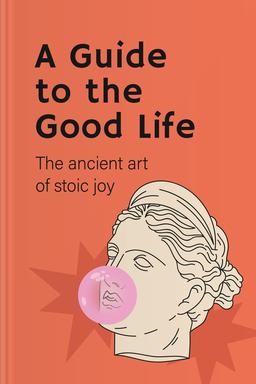
A Guide to the Good Life

by William B. Irvine

What is A Guide to the Good Life about?

This insightful guide explores the principles of Stoic philosophy and how they can be applied to modern life. Through practical advice and reflections, the author encourages readers to cultivate tranquility, resilience, and contentment amidst life's challenges. The book offers techniques for overcoming negative emotions, achieving a fulfilled life, and embracing the joy found in simplicity and mindfulness. It serves as an accessible introduction to Stoicism for anyone seeking personal growth.

Who should read A Guide to the Good Life

Readers seeking practical philosophy for modern living.
Individuals pursuing personal happiness and resilience techniques.
Those interested in ancient wisdom for contemporary challenges.

Declutter Your Mind

by S. J. Scott, Barrie Davenport

What is Declutter Your Mind about?

This practical guide offers strategies to help you clear your mind of clutter, reduce anxiety, and combat negative thoughts. Through actionable steps and exercises, it provides readers with tools to cultivate mindfulness and resilience. By identifying and addressing mental habits that contribute to worry, the book empowers you to lead a more focused and peaceful life.

Who should read Declutter Your Mind

Individuals struggling with anxiety and stress management.
Readers seeking practical tips for mental clarity.
Anyone interested in personal development and mindfulness.

The Daily Stoic

by Ryan Holiday, Stephen Hanselman

What is The Daily Stoic about?

This book offers daily insights derived from ancient Stoic philosophy, designed to help readers cultivate mental clarity and emotional resilience. Each day's meditation provides practical wisdom and actionable advice, encouraging personal reflection and mindfulness. By exploring themes of self-discipline, purpose, and acceptance, it guides individuals toward achieving serenity and effectiveness in their daily lives, making ancient wisdom applicable in the modern world.

Who should read The Daily Stoic

Philosophy enthusiasts seeking daily inspiration.
Busy professionals wanting to enhance personal effectiveness.
Individuals pursuing mental clarity and inner peace.

Can't Hurt Me

by David Goggins

What is Can't Hurt Me about?

This powerful memoir delves into the author’s transformation from a troubled youth into a Navy SEAL and ultra-endurance athlete. Through grueling personal anecdotes, he reveals how to harness mental strength, overcome adversity, and push beyond perceived limits. With practical strategies and a no-excuses mindset, it inspires readers to cultivate resilience and take control of their lives, proving that the biggest obstacles often lie within.

Who should read Can't Hurt Me

Fitness enthusiasts seeking mental resilience.
Individuals overcoming personal struggles and adversity.
Motivational readers aiming for self-improvement and discipline.

Bright Line Eating

by Susan Peirce Thompson, PhD

What is Bright Line Eating about?

This book presents a groundbreaking approach to weight loss and healthy living by integrating science with practical strategies. It emphasizes the connection between food and the brain, offering insights into why many diets fail. Through a structured program, readers learn to rewire their relationship with food, enabling them to achieve lasting weight loss and a happier, more fulfilled life. The focus is on emotional well-being and sustainable habits for lasting change.

Who should read Bright Line Eating

Individuals seeking effective weight loss strategies
Health enthusiasts interested in eating psychology
People struggling with emotional eating challenges

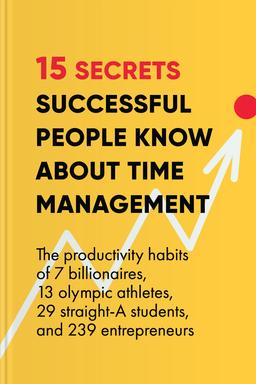
15 Secrets Successful People Know About Time Management

by Kevin Kruse

What is 15 Secrets Successful People Know About Time Management about?

This book unveils powerful time management secrets practiced by highly successful individuals across various fields. Through insights from billionaires, athletes, scholars, and entrepreneurs, it illustrates practical habits and strategies that enhance productivity and efficiency. Readers will discover how to prioritize tasks, eliminate distractions, and maximize their time to achieve personal and professional goals, ultimately transforming their approach to managing the most valuable resource of all: time.

Who should read 15 Secrets Successful People Know About Time Management

Busy professionals seeking better time management strategies.
Students aiming for academic excellence and productivity skills.
Entrepreneurs looking to optimize their daily routines.

Extreme Ownership

by Jocko Willink, Leif Babin

What is Extreme Ownership about?

This book presents the leadership principles learned by former Navy SEALs in combat and how these lessons can be applied to business and life. Through engaging stories and practical insights, the authors emphasize the importance of taking responsibility for one's actions, fostering teamwork, and maintaining high standards, ultimately demonstrating that effective leadership is about owning one's decisions and guiding others to success.

Who should read Extreme Ownership

Military personnel seeking leadership insights.
Entrepreneurs aiming to enhance team performance.
Students interested in discipline and resilience.

How to Stop Procrastinating

by Steve Scott

What is How to Stop Procrastinating about?

This practical guide offers effective strategies to help readers tackle procrastination and cultivate productive habits. Through straightforward techniques, it addresses the psychological barriers that lead to avoidance of difficult tasks. The book emphasizes setting achievable goals, maintaining motivation, and developing a disciplined approach to work. With actionable advice, readers can learn to overcome procrastination and enhance their productivity in both personal and professional spheres.

Who should read How to Stop Procrastinating

Students seeking to improve their study habits.
Professionals struggling with deadlines and time management.
Anyone wanting to enhance productivity and motivation.

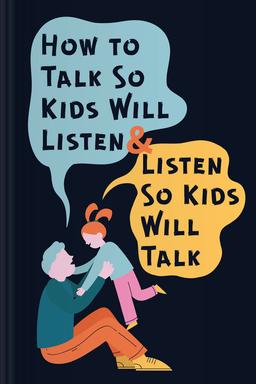
How to Talk So Kids Will Listen & Listen So Kids Will Talk

by Adele Faber, Elaine Mazlish

What is How to Talk So Kids Will Listen & Listen So Kids Will Talk about?

This practical guide teaches parents and caregivers effective communication skills to foster cooperation and understanding with children. It emphasizes empathy, active listening, and constructive dialogue, offering techniques to handle conflicts and encourage positive behavior. By using relatable examples and engaging illustrations, the book empowers adults to connect with kids, enhance their problem-solving abilities, and develop better relationships, ultimately creating a more harmonious family dynamic.

Who should read How to Talk So Kids Will Listen & Listen So Kids Will Talk

Parents seeking effective communication strategies with children.
Educators looking for techniques to engage students better.
Childcare professionals wanting to improve relationships with kids.

FAQs on books about discipline

What books should I read for discipline?

To improve self-discipline, it is worth reading books that will help you form positive habits and change your thinking. These include 'Atomic Habits' by James Clear, 'Flexible Mindset' by Carol Dweck, and 'The 12 Week Year' by Brian P. Moran and Michael Lennington.

What books talk about discipline?

Books on discipline and self-control include 'Atomic Habits' by James Clear, 'Willpower' by Kelly McGonigal, and 'Discipline is Freedom.' Other recommended books include 'The 7 Habits of Highly Effective People' by Stephen Covey and 'Eat That Frog!' by Brian Tracy. You might find 'The Marshmallow Test' by Walter Mischel useful.

How can I fix poor discipline?

To be disciplined, you must formulate goals clearly, plan your day, prioritize, and break down large tasks into smaller steps. Develop healthy habits, plan your day, learn to say "no" to unwanted things, and analyze your achievements and mistakes. Forming a daily routine helps you build consistency. Include time for work, exercise, rest, and hobbies.

What are the five pillars of self-discipline?

Self-discipline is based on hard work, acceptance, willpower, diligence, and persistence. Acceptance helps you see reality as it is, without excuses or denial. Willpower enables you to act on your goals, even when difficult. Hard work, diligence, and persistence build the habit of being consistent, overcoming obstacles, and not giving up, which makes self-discipline the key to personal growth and success.

How can I teach myself self-discipline?

Self-discipline is the skill to move forward, stay motivated, and take action no matter how you feel physically and emotionally. It requires constant practice and nurturing.

Write down your goals so you can see them every day. Remind yourself why you started and what you will achieve when you finish. Set small goals first to build your confidence. Also ask friends to check your accountability, so you can motivate and support each other.

What are some good books on discipline?

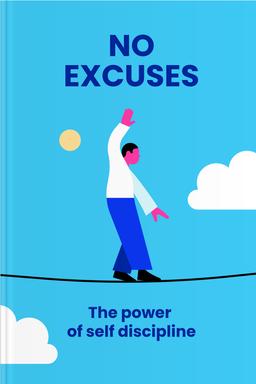
These good books on discipline offer practical strategies for developing self-control, forming habits, and achieving goals: 'Discipline Is Destiny' by Ryan Holiday, '12 Rules for Life' by Jordan Peterson, 'No Excuses!: The Power of Self-Discipline' by Brian Tracy and 'Atomic Habits' by James Clear. Your choice of book depends on your personal needs.