Self-growth
 Business & Career
 Success
 Communication
 Healing
 Relationships
 Psychology
 Happiness
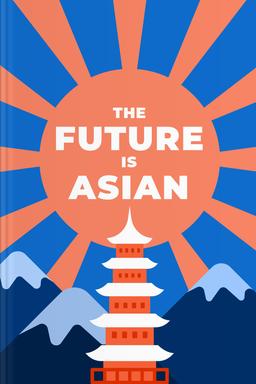
What is The Future is Asian about?
This insightful exploration delves into the rise of Asia in the global landscape, examining the economic, political, and cultural shifts that define the region's unprecedented influence. It argues that the future will be shaped by Asia's interconnectedness, innovation, and leadership, providing a roadmap for understanding emerging trends. Through a comprehensive analysis, it invites readers to reconsider geopolitics and the importance of Asian dynamics in our globalized world.
Who should read The Future is Asian
- Business leaders seeking insights into Asian markets.
- Students of geopolitics interested in global power shifts.
- Travel enthusiasts exploring Asia's emerging influence.
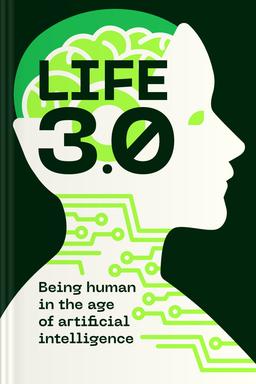
What is Life 3.0 about?
Exploring the future of artificial intelligence and its potential impact on society, this book delves into the ethical and philosophical questions surrounding AI development. The author examines scenarios ranging from utopian to dystopian futures, emphasizing the importance of shaping technology to enhance human life. Ultimately, it encourages readers to consider how humanity can thrive in an era defined by intelligent machines.
Who should read Life 3.0
- Tech enthusiasts curious about AI's future impact.
- Students studying artificial intelligence and its societal implications.
- Professionals in technology seeking insights on ethical AI development.
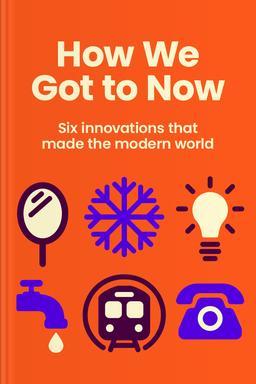
What is How We Got to Now about?
This book explores the history of six groundbreaking innovations that transformed society: glass, cold, sound, clean, time, and clean water. By tracing the interconnected stories behind these inventions, it reveals how they shaped our modern world and transformed our daily lives in unexpected ways. Through captivating narratives, the author highlights the ripple effects of innovation, demonstrating how one idea leads to another, often producing unforeseen consequences.
Who should read How We Got to Now
- History enthusiasts interested in technological advancements.
- Students studying the impact of inventions on society.
- Curious readers wanting to explore the roots of modernity.