Self-growth
 Apps & Digital Tools
 Business & Career
 Success
 Growth Tools
 Psychology
 Communication
 Relationships
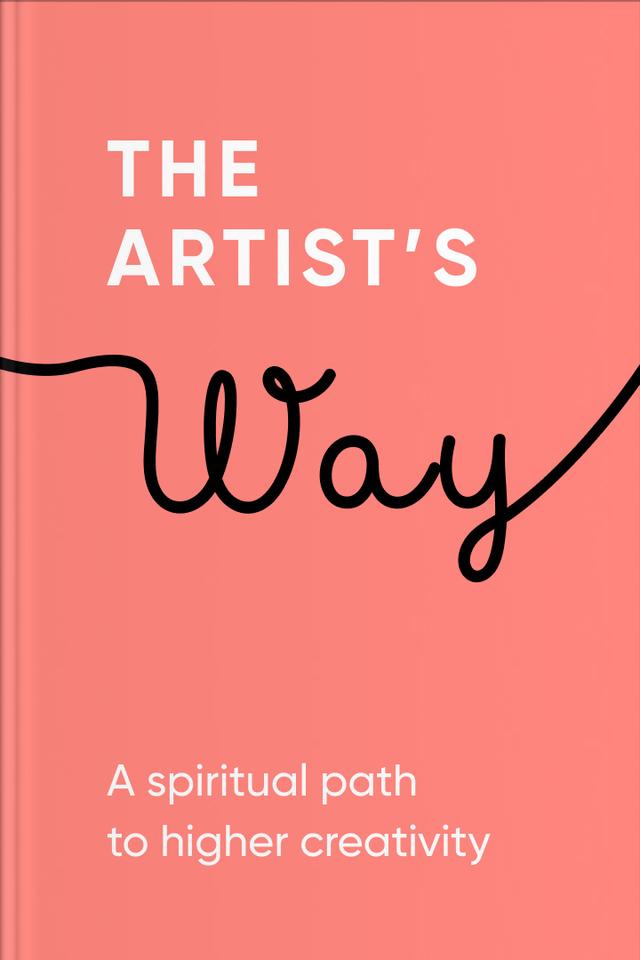
You’ll learn
- How to quiet your inner critic
- Why "morning pages" are a creative lifeline
- How to spot the "shadow artist" trap and escape it
- Techniques to transcend creative blocks
first KEY POINT
We tend to treat creativity like a talent a lucky few are born with: you either have the gift, or you don't. Julia Cameron spent years arguing the opposite. In her view, it's a sense we all have, one that simply gets easier to ignore as life gets busier.Cameron is a novelist, poet, playwright, and filmmaker, and most of her working life has gone into teaching people to reconnect with that sense. Her approach is refreshingly low-pressure: a handful of small, repeatable practices that make room for ideas to surface on their own.This summary walks you through the core of her method — everyday habits to start with, the quiet patterns that tend to get in the way, and the fears that talk us out of trying. You won't need to call yourself "an artist" for any of it to be useful. A bit of curiosity is enough.
second KEY POINT
When people decide to be more creative, the usual instinct is to sit down and try to produce something good. Cameron's method starts at the other end. Before you make anything worth showing anyone, what you need is regular, low-stakes contact with your own mind. She builds that with a few habits.The first is morning pages. Soon after waking, before the day's noise sets in, you write a few pages by hand about whatever happens to be in your head. A page might run: the coffee tasted burnt, still annoyed about that email, or why the dog is barking again. The one rule is to keep your editing brain switched off. You're not trying to write well here; you just write.
Continue reading with Headway app
Continue readingfirst KEY POINT
second KEY POINT
third KEY POINT
fourth KEY POINT
fifth KEY POINT
Related blog articles

Elevate the way you learn with Headway — the smart, streamlin...

Discover top apps that help you learn in just 10 minutes a da...

Curious about the Deepstash app? Find out if this app offers ...

The answer to the question "Is Blinkist worth it?" depends on...

Discover practical tips, expert insights, and book-powered to...