Self-growth
 Apps & Digital Tools
 Business & Career
 Success
 Growth Tools
 Psychology
 Communication
 Relationships
You’ll learn
- What being "nice" means
- About the power of saying "no"
- Ways to establish boundaries
- How to stop hiding your true self
first KEY POINT
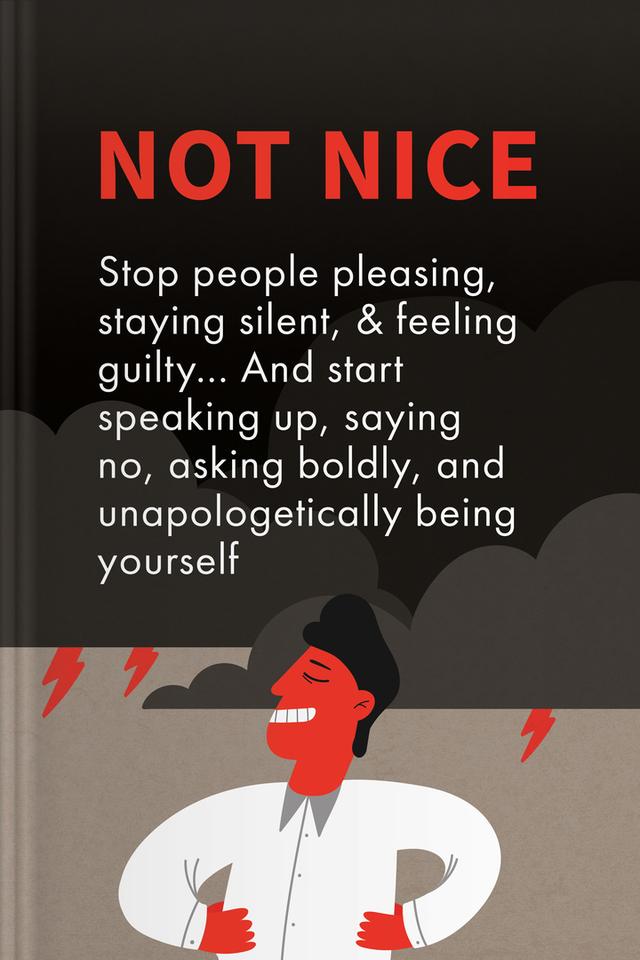
A colleague asks, "Can you take this on?" You already have too much work, but the answer comes out before you have really decided: "Of course." We all have been in situations like this. No argument. No awkward silence. The conversation stays pleasant.But later, we are working late because of a commitment we never wanted, wondering why saying one simple sentence felt harder than adding another hour to our day.
The interesting part isn't the favor itself, but the split between what someone wants to say and what they actually say. That gap can show up in work, friendships, family, dating, and dozens of small choices that seem harmless on their own.Not Nice starts from that tension. What happens when being liked becomes more important than being honest? And what changes when someone begins to act from what they actually think, want, and value instead?
second KEY POINT
Gazipura uses "nice" in a very specific way. He isn't talking about kindness, generosity, or basic respect. He means the habit of shaping yourself around other people's reactions: agreeing when you disagree, saying "yes" when you want to say "no," softening every opinion, and hiding irritation so nobody feels uncomfortable.That habit often starts early. Many people learn that being good means being easy to deal with: don't argue, don't upset anyone, don't make a scene. Over time, those rules can become automatic. The problem isn't politeness itself. It's losing the sense that politeness is a choice.That is what Gazipura means by becoming "not nice." It doesn't mean becoming rude, blunt, or selfish. It means becoming more deliberate. You can help because you want to help, not because you are afraid to refuse. And you can care about someone's feelings without handing them control over every decision you make.
Continue reading with Headway app
Continue readingfirst KEY POINT
second KEY POINT
third KEY POINT
fourth KEY POINT
fifth KEY POINT
Related blog articles

Elevate the way you learn with Headway — the smart, streamlin...
Discover top apps that help you learn in just 10 minutes a da...

Curious about the Deepstash app? Find out if this app offers ...

The answer to the question "Is Blinkist worth it?" depends on...

Discover practical tips, expert insights, and book-powered to...