Self-growth
 Apps & Digital Tools
 Business & Career
 Success
 Growth Tools
 Psychology
 Communication
 Relationships

The Type A B C D personality framework groups people into four behavioral categories — A, B, C, and D — based on how they handle stress, work, and social interactions. Most of us have probably heard someone describe themselves as "Type A" while juggling three phones and a triple espresso at a midnight board meeting.
It's become a bit of a cultural shorthand for being a workaholic or a high-strung perfectionist. The full four-type spectrum is far more nuanced than just stressed vs. relaxed, though. Knowing where you land in these personality styles isn't about slapping a label on your forehead and calling it a day. It's about having a mirror that shows you why you react the way you do under pressure.
Whether you are naturally goal-oriented, deeply introverted, or famously easygoing, these types of personality offer a lens to better understand your mental health and well-being. This guide covers all four types, their scientific origins, and how they show up in your daily life.
Knowing yourself is the ultimate self-improvement technique, and it's the kind of growth-focused insight Headway is built around. If you find yourself resonating with a specific profile, you can find curated book summaries in the Headway library to help you balance your traits and lead a more intentional life.
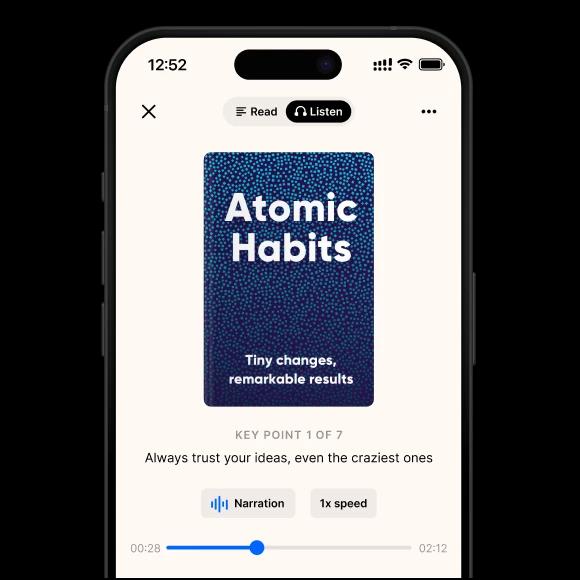
Your personality type decoded in 15 minutes
Skip the thick psychology textbooks. Get actionable steps to leverage your unique strengths today.
Start growing nowType A B C D personality — quick reference and 90-second test
If you're looking for a fast way to identify your behavior pattern, here's a scannable breakdown of the four main personality traits:
Type A — The Achiever: Highly competitive, goal-oriented, and constantly battling a sense of urgency.
Strength: Incredible productivity and drive.
Challenge: High risk of burnout and stress-related health issues.
Type B — The Socializer: Characteristically laid-back, creative, and easygoing.
Strength: Excellent stress management and strong social bonds.
Challenge: A tendency toward procrastination or lack of focus.
Type C — The Analyst: Deeply detail-oriented, logical, and emotionally restrained.
Strength: High precision and a methodical approach to problem-solving.
Challenge: Difficulty expressing negative emotions and a tendency to over-suppress feelings.
Type D — The Supporter: Cautious, empathetic, and often prone to social inhibition.
Strength: Remarkable loyalty and a supportive nature.
Challenge: Persistent worry and a higher vulnerability to anxiety or sadness.
Take this Type A, B, C, D personality test and find out the results in 90 seconds!
The origins of Type A, B, C, and D personality
The story of how we ended up with these four letters actually started in a doctor's waiting room, not a psychology lab. In 1959, two cardiologists, Meyer Friedman and Ray Rosenman, noticed something strange: the chairs in their waiting room were worn down only on the very front edges. It seemed their patients literally couldn't sit back and relax.
They were constantly "on the edge of their seats." This observation led them to identify the Type A behavior pattern: a mix of time urgency, competitiveness, and hostility, which they initially linked to a higher risk of coronary heart disease.
Type B was simply defined as the absence of those Type A traits. As personality theory evolved, researchers realized the world wasn't just split between the driven and the chilled. In the 1970s, researchers Steven Greer and Tina Morris identified Type C personality during cancer research. They noticed a specific behavior pattern involving emotional suppression and a "pathological niceness" that seemed distinct from the A/B framework.
Finally, in the 1990s, psychologist Johan Denollet introduced Type D personality (the "D" stands for distressed) after finding that a specific combination of negative emotions and social inhibition was a major predictor of heart issues.
It's worth noting that modern psychology views these as behavioral frameworks rather than strict clinical diagnoses. Interestingly, the early research into Type A individuals was later revealed to have received funding from the tobacco industry, which wanted to shift the blame for heart disease from smoking to stressful personalities. Today, these types serve as helpful guides for self-improvement and work-life balance rather than rigid boxes.
📘 Turn your easygoing nature into a powerhouse of productivity. Build the habits that stick with bite-sized summaries from Headway.
Type A, B, C, and D personality: A complete breakdown
To truly use a personality test Type A B C D effectively, you need to go beyond the surface. Each of these personality styles has a default setting that dictates how you handle a high-pressure environment, how you treat your co-workers, and how you manage your well-being.
Type A personality — traits, strengths, and challenges
Type A personality characteristics are defined by a relentless drive for achievement and a chronic sense of urgency. These individuals feel like they're constantly racing against a clock that never stops.

Core traits of Type A:
Highly goal-oriented and ambitious
Strongly competitive in both work and play
Persistent time urgency (hating delays or wasted time)
High levels of perfectionism
Prone to multitasking and a fast pace of speech and movement
Difficulty delegating tasks due to a "do it myself" mindset
Low tolerance for perceived inefficiency in others
Strengths: Type A individuals are the engines of the business world. They're natural leaders who get things done, often ahead of schedule. Their hard-working nature and self-confidence allow them to thrive in high-pressure situations that would crush others. When a project needs a decisive pilot, a Type A is usually the first to volunteer.
Challenges: The dark side of this drive is a high susceptibility to burnout. Because they find it nearly impossible to "switch off," Type As often struggle with stress management. Early research specifically highlighted that the hostility and impatience characteristic of Type A behavior can strain the heart and personal relationships. They may inadvertently alienate easygoing colleagues who feel steamrolled by their intensity.
Health and work: In the workplace, Type As are high performers but also the most likely to experience chronic stress. Regarding mental health, they may struggle with anxiety related to their own high standards. In relationships, they need to be mindful that not everything is a competition to be won.
Growth note: Type As benefit immensely from practicing mindfulness and learning that rest is productive. Learning to delegate and trust others is a vital skill. If you resonate with this Type, a great starting point is exploring summaries of books like 'The 7 Habits of Highly Effective People' on Headway, which focus on prioritizing what truly matters over what is simply urgent.
Type B Personality — traits, strengths, and challenges
If Type A is the engine, Type B personality is the passenger enjoying the scenery. These individuals are the masters of the laid-back lifestyle, preferring to take life as it comes rather than forcing it into a strict schedule.
Core traits of Type B:
Generally easygoing and relaxed
Low levels of competitiveness
Patient and tolerant of others
Highly creative and reflective
Sociable and often motivated by approval or connection
Tendency to procrastinate or work in "bursts" rather than a steady grind
Flexible and adaptable to change
Strengths: The biggest asset of a Type B is their ability to remain calm in stressful situations. They possess a natural buffer against burnout because they don't view every delay as a personal affront. They are often the "glue" in a team, providing a steady, creative influence that helps resolve conflicts. Their work-life balance is usually much healthier than that of their Type A counterparts.
Challenges: The primary struggle for Type Bs is staying focused on long-term goals. Because they are so laid-back, they might miss deadlines or lack the killer instinct needed in certain competitive environments. They can sometimes appear indifferent or lazy to more driven types, leading to friction in the office.
Health and work: Research (ScienceDirect) generally shows that Type Bs have better longevity and lower rates of coronary heart disease because their stress response is less "trigger-happy." They thrive in collaborative, creative roles where brainstorming and relationship-building are valued over raw speed.
Growth note: For a Type B, growth is often about building structure. While their flexibility is a gift, they can benefit from productivity frameworks and time-management techniques. Exploring summaries of books like 'Atomic Habits' on Headway can help Type Bs build the small wins that lead to massive long-term results without sacrificing their peace of mind.
Type C personality — traits, strengths, and challenges
Type C personality is often the most misunderstood of the four. These are the quiet perfectionists, the analysts who are deeply detail-oriented but keep their internal world tightly under wraps.
Core traits of Type C:
Highly analytical and logical
Detail-oriented to the point of obsession
Emotionally restrained and "stoic" in public
Strongly conflict-avoidant
High levels of perfectionism regarding accuracy and data.
Difficulty saying "no" (people-pleasing).
Deeply introverted or cautious in social settings
Strengths: Type Cs are the ultimate reliable partners. They excel in fields such as engineering, finance, and data analysis, where a single mistake can have serious consequences. Their ability to remain logical under pressure and their commitment to accuracy make them indispensable. They're the ones who find the needle in the haystack that everyone else missed.
Challenges: The biggest hurdle for a Type C is emotional suppression. Because they prioritize logic and conflict avoidance, they often bury their negative emotions rather than process them. This can lead to a sense of internal loneliness or even depression. Their people-pleasing nature can also lead them to take on too much work without complaining, eventually resulting in quiet, hidden burnout.
Health and work: Some early research suggested that Type C patterns, specifically the suppression of anger, could impact the immune system. In the workplace, they need clear instructions and a quiet space to focus. They can struggle in roles that require constant emotional "performance" or aggressive self-promotion.
Growth note: Growth for Type C involves learning to express needs and emotions. Assertiveness training is a game-changer for this Type. Learning that it is okay to be imperfect or to have a disagreement is a huge step. Books on emotional intelligence and boundary-setting in the Headway library are perfect for helping Type Cs open up and advocate for themselves.
📘 Your personality determines your path, but your habits determine your speed. Fast-track your growth with the Headway app.



Type D personality — traits, strengths, and challenges
Type D personality stands for distressed. These individuals feel things very deeply, but often feel like they have nowhere to put those feelings. They are the cautious, empathetic observers of the personality Type A B C D world.
Core traits of Type D:
Persistent experience of negative emotions (worry, irritability, sadness)
High levels of social inhibition (feeling uncomfortable or shy around others)
Deeply empathetic and sensitive to others' feelings
Cautious and risk-averse
Loyal and dependable once trust is established
Tendency toward pessimism or "waiting for the other shoe to drop"
Strengths: Type Ds are incredibly empathetic and make for some of the most loyal friends and employees you'll ever find. They're the supporters who notice when a teammate is struggling long before anyone else does. Their caution makes them excellent at identifying risks that more impulsive types might overlook.
Challenges: Because they struggle with social inhibition, Type Ds often feel isolated even when they are in a crowd. They tend to bottle up their worries, which can lead to chronic anxiety. They may avoid social opportunities out of a fear of rejection, missing out on the connections they actually crave.
Health and work: Of the four types, Type D has the most consistent link to coronary heart disease and other stress-related issues in modern research (PMC). And this isn't because they're bad, but because their nervous system stays in a state of high alert. They thrive in stable, supportive environments where they feel safe and valued.
Growth note: For Type D, growth is about building social confidence and learning to share their inner world. Finding safe outlets for their emotions, like journaling or a trusted small group, can be transformative. Resilience-building techniques are vital here. Headway offers many summaries on building confidence and overcoming social anxiety that can help Type Ds step out of their shell.
How the types — A, B, C, and D — interact
Understanding different personality types is like having a cheat code for your relationships. While we are all a blend of these traits, our "primary" Type usually dictates how we clash or click with others.
Type A + Type B: This duo is the classic odd couple pairing. It can be highly complementary: the Type A provides the drive, and the Type B provides the perspective. Still, friction happens when the Type A gets frustrated by the Type B's lack of urgency, or when the Type B feels suffocated by the Type A's intensity.
Type A + Type C: This pair is a powerhouse for productivity. Both value results and perfectionism. They can get a lot done, but they may struggle with the human side of things. They need to remember to check in on their well-being and not just their spreadsheets.
Type C + Type D: These types often find common ground in their shared caution and attention to detail. They can be a very stable, empathetic pair. The risk here is that both can be introverted and conflict-avoidant, meaning that if a problem arises, they might both stay silent rather than talking it out.
Two Type As: When two Achievers collide, it's either explosive productivity or a constant power struggle. They need to clearly define roles and boundaries to avoid a "two captains, one ship" scenario.
📘 Stop guessing and start growing. Use Headway to get into the psychology books that explain the real you.
Can your personality type change?
One of the most common questions people ask after taking a Type A B C D personality test is: "Am I stuck like this forever?" The answer is a resounding no. While our core temperament, how we are naturally wired, tends to be relatively stable, our behavior pattern is incredibly flexible.
Modern psychology leans heavily on the Big Five model (personality traits such as Openness, Conscientiousness, Extraversion, Agreeableness, and Neuroticism) because it views personality as a set of sliders rather than fixed categories. You might be a natural Type A who has used stress management and mindfulness to develop the easygoing traits of a Type B. Or you might be a Type C who has worked on their self-confidence to become a more vocal leader.
The goal of knowing your personality profile isn't to justify your flaws ("I can't help being mean, I'm Type A!"), but to identify your growth areas. We are all blends. You might be a "Type A-C" or a "Type B-D." Awareness is the first step toward intentional change.
Using your Type A, B, C, or D personality for self-development
Once you have identified your personality type as A, B, C, or D, you can stop using generic advice and start using targeted strategies to be a better man or woman.
For Type A: Focus on "The Slow Down." Practice active listening without looking at your watch. Use self-improvement techniques that focus on emotional regulation.
For Type B: Focus on "The Start." Use tools like the Pomodoro technique or habit-stacking to overcome procrastination. Build a minimum viable structure for your day.
For Type C: Focus on "The Speak Up." Practice expressing one small opinion or emotion every day. Learn that "done is better than perfect" in low-stakes situations.
For Type D: Focus on "The Reach Out." Set a goal to connect with one person outside your comfort zone each week. Build a resilience toolkit to handle negative thoughts.

Embrace your personality type with Headway!
No matter where you land, the key to a better work-life balance and improved well-being is constant curiosity about yourself. At Headway, we believe that reading just 15 minutes a day can provide the "aha" moments needed to shift these behavioral sliders. Whether you need to manage your perfectionism or boost your social inhibition-busting confidence, there's a world-class book summary waiting to help you make that shift.
The most valuable thing the Type A B C D personality framework offers isn't a label — it's a starting point. Self-knowledge is the foundation of everything from your career success to your deepest relationships. By understanding your default settings, you gain the power to override them when they no longer serve you. Remember, understanding your personality Type A B C D is just the beginning of your growth journey.
📘 Your Type is just the beginning of the story. Write the next chapter with a library of life-changing insights at your fingertips on Headway.
FAQs about the Type A B C D personality
What is the most common personality type?
There isn't a single most common type because these categories are based on behavioral patterns that can shift depending on your environment. But many people in high-achieving societies exhibit Type A personality characteristics due to cultural pressure to be goal-oriented and productive.
Can you be a mix of two types?
Absolutely. Most people find that they have a primary type (like Type A) and a secondary type (like Type C). You might be detail-oriented like a Type C at work but easygoing like a Type B when you're at home with your family.
Which personality type is the most successful?
Success depends on how you define it. Type As often achieve high financial or status-based success, but Type Bs often report higher life satisfaction and better work-life balance. The most successful person is usually the one who has learned to balance their natural traits with healthy personality styles from the other categories.
How does this framework compare to the MBTI?
While the MBTI (based on Myers-Briggs) looks at how you perceive the world and make decisions, the A-B-C-D framework is much more focused on your stress response and social behavior. They are complementary; you can be an "INTJ" who also exhibits type C personality traits.