Self-growth
 Apps & Digital Tools
 Business & Career
 Success
 Growth Tools
 Psychology
 Communication
 Relationships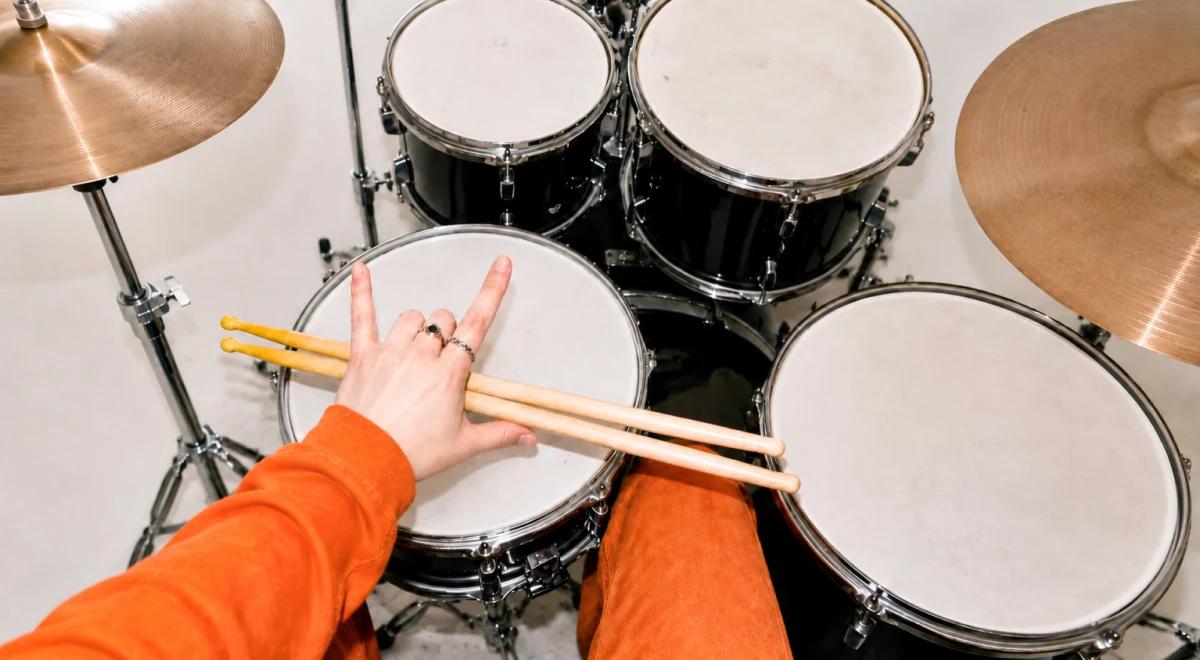

Almost everyone has been asked some version of "what are you passionate about" — at job interviews, on first dates, at family dinners where someone is trying to be polite.
And almost everyone, at some point, has answered with vague enthusiasm about something they weren't sure they even cared about, because the alternative was admitting they don't have a clean answer.
The standard advice on how to find your passion has done real damage. It implies your passion already exists somewhere, fully formed, waiting to be discovered. If you haven't found it, the framing suggests, something is wrong with you. The truth is the opposite.
Passion, as well as things to be passionate about, are rarely discovered. It's almost always grown — out of curiosity, repeated exposure, slowly built skill, and the quiet recognition that an interest has become something more.
This article gives you a list of things to be passionate about across the categories that fulfilled adults actually draw from, with concrete examples of things to be passionate about in each one. But the list isn't the most important part. The most important part is the reframe around how passion actually works in real life.
The writers who've thought hardest about this — Cal Newport, Angela Duckworth, Mihaly Csikszentmihalyi, Mark Manson — are condensed into 15-minute reads in Headway.
📘 Skip the listicles. Read the people who actually figured it out — download Headway today!
Things to be passionate about: The short version (TL;DR)
The most rewarding things to be passionate about in life cluster into five categories: creative pursuits, learning and ideas, helping others and causes, body and movement, and building and making.
Specific examples of things to be passionate about: writing, photography, a new language, mentoring, a sport you loved as a kid, gardening, music, community service, building things with your hands, video games as a serious craft, and lifelong learning.
Passion is built, not found. Most people grow into it through repeated exposure, skill development, and spending time on new things until something starts to stick.
You don't need one defining passion. Many fulfilled people have several smaller passions that rotate through their personal life over time — picking up a new hobby in your thirties is more common than the culture admits.
The honest sign you're approaching a real passion: you'd still do it on the days you don't feel like it, because the activity has become part of who you are. The most charming people you know are usually the ones with two or three real interests they've been quietly developing for years.
What "being passionate about something" actually means
To be passionate about something is to feel a sustained, energizing pull toward it — strong enough to organize your time around it, durable enough to survive boredom and difficulty, and personal enough that the activity has started to define some part of who you are.
The word "passion" gets used loosely. It helps to separate it from the things it's not.
Interest is the first spark. Easy, light, often short-lived. You watched a documentary and felt curious for a few hours.
Hobby is what an interest becomes when you do it regularly without expecting it to define you. A weekly thing that survives without being a calling.
Passion is what a hobby becomes when you'd still show up on the days you don't feel like it, because something in you has changed. True passions outlast moods.
Obsession is what passion becomes when it stops being a choice. Research from psychologist Robert Vallerand distinguishes harmonious passion (chosen, integrated, energizing) from obsessive passion (compulsive, controlling, often paired with burnout). The first is what people are actually looking for. The second is what passion becomes when it's mishandled.
This is the missing piece in most articles. You're not looking for any strong feeling about an activity. You're looking for the version of passion that pulls you forward without consuming you — the version that makes the rest of your life better instead of swallowing it.
Self-reflection helps. So does self-discovery, slowly, over the years rather than in a single weekend retreat. Stepping outside your comfort zone matters, but only if what you find on the other side is something you'd return to without being pushed.
20 things to be passionate about, organized by category
Here's a categorized list of 20 things to be passionate about (examples included):
Creative pursuits (1–4)
Creative work scratches an itch almost nothing else does. It's also one of the most reliable categories of things to be passionate about because the work itself rewards practice — every painting, draft, photograph, or song is feedback on the last one. The path is built into the medium.
1. Writing
Fiction, essays, journaling, or a newsletter to a small audience — writing forces you to clarify what you actually think. The barrier to entry is essentially a notebook. The depth is unlimited. Writing is one of the few new skills that gives you something nobody else can: a record of how your mind actually works.
2. Photography
Photography teaches you to see. After a few months of regular shooting, you start noticing light, composition, color, and timing in ordinary scenes you used to walk past. A smartphone is enough. The practice changes how you move through the world — especially in new places, where the camera gives you a reason to look more closely.
3. Music — playing or making
Learning an instrument as an adult is one of the most rewarding things you can do. Progress is slow at first, then suddenly faster than you expect. Music creates flow states — the kind where you lose track of time without trying — more reliably than almost any other activity. People who play tend to keep playing for life.
4. Cooking and baking, seriously
Cooking has the rare quality of being both creative and immediately useful. You feed yourself and the people around you, you build problem-solving skills with ingredients and heat, and you develop a relationship with food and seasons most adults never have. Cooking for loved ones is also some of the highest-quality time you can offer.
Learning and ideas (5–8)
Some of the most durable passions live in this category. For people who get genuinely energized by understanding the world, learning is itself the activity — the input that fuels everything else.
5. A foreign language
Learning a new language opens an entire culture. It's a long-term project — years rather than months — but the early months show real progress, and the long-term payoff (reading literature, traveling differently, building relationships across cultures, working in a more international work environment) is hard to match.
6. A specific subject in depth
Pick one topic — history, philosophy, neuroscience, architecture, evolutionary biology — and go deep over years. Most adults consume information broadly and shallowly. The people who pick a subject and pursue it for decades end up uniquely interesting and unusually fulfilled. A podcast or two on the topic in your free time can be enough to keep the depth building over the years.
7. Reading widely and intentionally
Reading as a passion isn't only consuming books — it's building a life around them. Lists, clubs, going deep on authors, pairing fiction with the histories underneath. People who read seriously tend to have richer interior lives, and the compound interest across decades is enormous.
Reading is also one of the few passions that genuinely changes how you think rather than what you do with your hands.
8. Lifelong learning generally
Some people are passionate about learning itself — courses, podcasts, lectures, deep dives. If this describes you, lean into it deliberately. Build the structure (a recurring time slot, a few sources you trust, a way to keep notes) and the rest takes care of itself.
People often find new passions inside this one — a topic they explored casually turns into the next decade of curiosity.
📘 If lifelong learning is the passion, Headway is built for it — thousands of the best nonfiction titles in 15-minute reads.
Helping others and causes (9–12)
Contribution is one of the most reliable producers of meaning. The research on subjective well-being is unusually consistent on this point: helping other people changes how you feel in ways almost no other activity matches. The positive impact compounds, both on you and on the people around you.
9. Mentoring or teaching
The single most underrated category of things to be passionate about. People who mentor — formally or informally — almost always describe it as the most rewarding part of their week. Find someone earlier in your path than you and offer real time. Don't wait until you feel "qualified." Mentoring also clarifies your own career path by forcing you to articulate what you actually know.
10. Volunteering and community service
Pick one cause you care about and commit long enough to actually matter to the organization. Casual volunteering is fine. Deep, repeated community service over the years becomes one of the most meaningful things people do — and it changes how you spend time outside it too.
11. Building community
The hosts, the organizers, and the connectors usually report some of the highest levels of life satisfaction. If you have any pull toward this, lean into it. The community doesn't have to be big. It has to be real. Some of the most charismatic adults you know are just the people who consistently bring others together.
12. Advocacy and social change
For people who feel strongly about a cause, finding a way to act on it — letters, organizing, fundraising, public work — turns frustration into agency. Social change work is a long game; consistency matters more than the size of any single action. Plenty of people find their sense of purpose inside this kind of work after a decade of casual concern.
Body, movement, and nature (13–16)
The category most adults underuse. Movement-based passions are unusually durable because they're embodied — they reward you in your body whether or not your mood cooperates that day. Physical fitness is a side effect, not the point.
13. A sport you actually like
Not the sport you think you should like. Not the one your friends play. The one that pulls you back when you haven't done it in a while. Tennis, climbing, surfing, soccer, swimming, and martial arts. Team sports work for some people; solo sports for others. Pick the one with the strongest gravity for you.
14. Hiking, backpacking, and time outside
A passion for being outdoors is one of the most durable and least demanding to develop. Start small — local trails — and let it grow. Most lifelong hikers started with a single trip that worked. Time outside is one of the most underrated wellness practices in modern life, and it's a reliable way to meet new people who share the interest.
15. Yoga, dance, or any movement practice
Practices that put attention back in the body matter more as adult life moves more of it onto screens. Yoga has the longest tradition. Dance is the most underused. Any consistent movement practice qualifies. Movement passions also produce some of the most reliable flow states outside of music.
16. Gardening
It's quietly one of the most rewarding long-term hobbies you can develop. Gardening teaches patience, attention to seasons, and the satisfaction of growing things — qualities that translate into almost every other part of your life. Start with one plant. See what happens.
📘 The pressure to have a defining passion was never yours to carry. Put it down — start smaller on Headway.



Building and making
For people whose passion shows up in their hands. These are some of the most satisfying things to be passionate about because the work is tangible — at the end of an afternoon, something exists that didn't before.
17. Working with wood, leather, metal, or any material
The pleasure of making something physical that you can hand to someone else is one of modern life's most underrated satisfactions. Pick a material. Start small. Most makers got hooked on their second or third project, not their first — which is worth knowing before you give up on your first one.
Working with your hands is also one of the better ways to be a better man, partner, or parent in a culture that mostly trains everyone for screen time.
18. Coding and building software
For people who like puzzles, coding is one of the most accessible technical passions. The barrier to entry is essentially free. The depth is unlimited. Some of the most fulfilled adults spend years on side projects no one paid them to build — including the kinds of small tools and even video games that started as a weekend experiment and turned into something life-changing.
19. Restoring or repairing
There's a quiet satisfaction in keeping something useful rather than throwing it away. Cars, bikes, furniture, electronics, watches. Restoration is its own kind of passion, and the people who do it tend to keep doing it for life. It also teaches a kind of self-improvement through objects that's hard to describe until you've experienced it — fixing things shifts something about how you see your own capacities.
20. Building a business
For some people, entrepreneurship is a passion. Not the money — the building. The decisions, the iteration, the daily problem-solving that add up to something that didn't exist a year ago. If this resonates, you'll know. A genuinely fulfilling career often comes out of years of small, unglamorous builds rather than a single moment of inspiration. If it doesn't resonate, ignore the pressure to feel otherwise.
Why you don't need a single defining passion
The cultural script says you should have passion. The one thing you were put here to do. The one thing that explains you. The one thing you can describe at a dinner party in under ten seconds without sounding lost.
For some people, this is real — they genuinely have one defining interest that organizes their whole life. For most people, it isn't. Fulfilled adults usually have several smaller passions that move in and out of focus over the years.
A creative practice in their twenties that returns in their forties. A sport that anchors a decade then recedes. A cause they care about that flares back up when something in the world demands it.
These are all examples of passions that don't fit the "one defining purpose" script — and they account for most of the things to be passionate about in life that people actually report finding fulfilling.
Personal growth doesn't require a single destination. New passions show up across decades for people who stay curious.
Cal Newport makes a stronger argument in 'So Good They Can't Ignore You': "follow your passion" is bad advice because passion typically follows competence, not the other way around. People who tell themselves they should feel passionate before doing the work usually end up not doing the work.
People who get good at something often find themselves becoming passionate about it after years of practice — because mastery itself is rewarding in a way casual exposure isn't.
This reframe matters because it gives back control of your life. You're not waiting for a feeling to arrive before you start. You start with something that interests you, build a small amount of skill, and let the passion grow as the competence does.
A sense of purpose tends to follow that loop rather than precede it. The point isn't finding your passion. It's building a fulfilling life that contains several things you genuinely care about, at varying depths, across years.
📘 You're not behind. You just got the wrong instructions — and the right ones are 15 minutes away on Headway.
How to tell if something could actually become a passion
Most articles tell you to follow what makes you lose track of time. That's a useful signal, but it's not the only one — and on its own, it can mislead you. Plenty of activities can absorb time without becoming passions worth building. Four better indicators, drawn from how passion actually develops:
You return to it on your own. Without anyone reminding you. Without it being on your to-do list. The activity has its own gravity, pulling you back even on days you have other things you should be doing. This is the strongest single signal — much stronger than how exciting the activity feels in the moment.
You enjoy the boring parts. Real passions involve repetitive, unglamorous work. Scales for musicians. Drafts for writers. Miles for runners. Reps for everyone. If you can tolerate or even enjoy the dull middle of the activity, you have something real.
If you only like the highlight reel, it's a fantasy of the activity, not the activity itself. This distinction matters across every type a, b, c, or d personality — the boring middle is the test, regardless of how you're wired.
You're slowly getting better. You don't need to be good. You need to be moving — visibly, measurably, slowly improving. Progress is part of what makes passion sustainable, because the brain is wired to value getting better at things. Stalled-out activities lose their pull faster than people expect.
It changes how you spend money or time without you noticing. You start spending an extra hour on it on weekends. You buy the better tools. You read articles about it during downtime. Different activities start rearranging themselves around it.
The activity has been integrated into your work-life balance without a formal decision, which is usually a more honest signal than how you talk about it.
Add a fifth signal that's harder to name but worth watching: the activity makes you feel more like yourself, not less. Real passions tend to clarify identity rather than complicate it. If something pulls you in for a while but you feel scattered while doing it, that's a sign it's not the right fit — even if it looks like a passion from the outside.

One insight a day. That's where it starts.
Headway delivers key ideas from the world's best books — in the time you already have.
Start todayFind what you're passionate about — faster, with Headway!
The writers who've actually mapped this — what passion is, how it works, why it shows up after mastery rather than before, why "follow your passion" is the wrong starting advice — have already done most of the thinking for you.
Cal Newport's 'So Good They Can't Ignore You' makes the case for skill-first thinking and why competence usually precedes passion.
Angela Duckworth's 'Grit' explains why passion needs perseverance to survive.
Mihaly Csikszentmihalyi's 'Flow' identifies the state that makes deep work feel rewarding.
Mark Manson's 'The Subtle Art of Not Giving a F*ck' asks you to choose what's actually worth caring about — the question underneath any honest attempt to find your passion.
Headway condenses these into focused 15-minute reads and audio. You can absorb the core arguments while making coffee or on a walk, the same time most people spend scrolling. True passions don't appear overnight. But the right reading, applied consistently, makes the path noticeably shorter.
📘 Passion takes years to build, but the right input speeds things up — try Headway; this is where most people start.
FAQs about the things to be passionate about
What are 5 things to be passionate about?
Try one from each of these: a creative thing like writing or music. A subject you go deep on for years instead of months. Helping someone — mentoring works. Something physical, ideally outside. And building or fixing something with your hands. Most people land on two or three of these eventually. Pick whatever has the strongest pull.
What are the things to be passionate about at work?
Usually, it's the craft itself or the people. Sometimes it's a specific project you genuinely believe in. If none of that's there, look sideways — mentoring junior colleagues, building a skill that goes beyond your current role, or improving something nobody asked you to improve. Trying to feel passionate about a job description rarely works for anyone.
What are girls most passionate about?
Whatever a specific girl happens to care about. Surveys show women and girls across the full spectrum — creative work, sport, science, business, causes, and building things. The question itself usually points at stereotypes more than reality. If you're trying to connect with someone specific, just ask. If you're trying to figure out your own interests, gender isn't really the variable that matters.
How do I find my own passions?
Stop looking. Start doing things. Try something you've been curious about and notice if you come back to it next week without anyone reminding you. That's the signal. Most people don't find their interests by thinking about them on a walk — they find them by doing stuff, badly at first, and paying attention to what sticks.
What are my passions in life?
Look at what you've already returned to. Not what you wish you cared about — what you actually keep circling back to without meaning to. A topic you keep reading about. A skill you keep meaning to develop. A hobby you dropped and miss. That pattern usually answers the question more honestly than any reflection exercise.