Self-growth
 Apps & Digital Tools
 Business & Career
 Success
 Growth Tools
 Psychology
 Communication
 Relationships


Your commute is now ten steps from the bed to the desk — and somehow you end the day more drained than when you used to sit in traffic for an hour.
That low, grinding tiredness sleep doesn't fix has a name: remote work burnout. It sets in when the line between work and home quietly disappears, and it hits remote workers and hybrid employees in ways the old office never did. The upside is that it's manageable once you can see it clearly. If the exhaustion already feels familiar, you can
📘 Get your recovery plan in a few minutes.
Burnout can overlap with depression and anxiety. If low mood, hopelessness, or physical symptoms persist, please talk to a doctor or mental health professional — a blog can't replace real care.

Quick answer: How to deal with remote work burnout
Remote work burnout is chronic workplace stress that never fully switches off — and you recover by rebuilding the boundaries the office used to give you for free.
| Remote work burnout | In brief |
|---|
Main triggers | Blurred boundaries, always-on communication, video-call fatigue, and isolation from your team. |
How to prevent it | Set clear boundaries, protect personal time, and take real breaks away from the screen. |
How to recover | Rebuild the structure the office gave you, and learn recovery skills in short bursts. |
A low-effort start | Short, expert-backed book summaries you can read or hear on a walk or between meetings. |
Why remote work burnout hits differently
Employee burnout isn't new, but working from home changes the rules — it quietly removes the signals that used to tell your brain the day was over. There's no commute to decompress, no "leaving the building," no coworker standing up to go home. Work just stays open in a browser tab.
The World Health Organization classifies burnout as an occupational phenomenon, not a medical condition — a syndrome that grows from chronic workplace stress that hasn't been successfully managed.
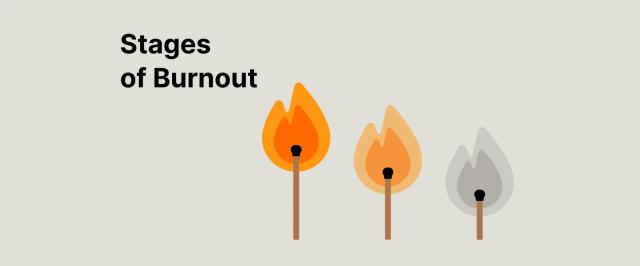
It shows up in three ways: energy loss and emotional exhaustion, a growing mental distance from your job where you start to feel disengaged, and a drop in professional efficacy, where work you used to handle well now feels beyond you. If that pattern has been building for months, our guide to the 12 stages of burnout maps how it escalates.
Remote employees experience burnout differently, because each of those gets amplified at home. Isolation deepens the cynicism. The missing commute removes the buffer that lets energy recover. And because no one sees you working, many employees work harder just to prove they're productive — a fast track to occupational burnout.
The unique challenges remote workers face at home
Most remote work burnout traces back to a handful of everyday pressures that feel minor until they stack up.
Boundaries that never form. When the kitchen table is also the office, work bleeds into personal life and evenings.
Always-on communication. A quiet Slack reads as a lazy Slack, so you answer pings through dinner.
Meeting and call overload. Back-to-back video calls leave no gaps to think, and keeping your camera on adds a layer of performance to every hour.
Isolation. Without hallway chats or a lunch crew, you lose the social interaction and emotional support from colleagues that make hard weeks survivable.
Invisible workload. An increased workload is easy to hide at home and easy to keep saying yes to.
Left alone, all this pushes people the other way — toward doing the bare minimum and checking out mentally, the pattern behind quiet quitting. Remote-working parents feel it from both sides at once, which is why mom burnout so often overlaps with the work-from-home crowd.

How to spot remote work burnout symptoms early
Everyone has rough stretches. Burnout is different because rest stops fixing it — you log off, sleep, and still wake up empty.
A few remote-specific tells: you dread the first message of the day, keep the laptop open at the dinner table, switch your camera off to hide how tired you look, and feel a flicker of self-doubt about work you once found easy. Physical signs — headaches, tight shoulders, broken sleep — tend to show up too, and the emotional load can tip into real anxiety or low mood.
These burnout symptoms can begin quietly, so catching them early matters. For the full picture, see the complete list of burnout symptoms and how they differ from everyday mental exhaustion.
How to prevent burnout and set boundaries that hold
You don't have to quit your job to recover from remote worker burnout. You prevent burnout from returning by rebuilding the structure the office used to provide, on your own terms.
Build a hard stop. Establishing a firm end to the day is the first move — pick a time the workday ends and make it physical: close the laptop, change rooms, shut a door. The ritual tells your brain the shift is over far better than willpower does.
Rebuild the commute. A ten-minute walk before and after work recreates the mental gap between roles. Plenty of people who work remotely use that window to press play on a 15-minute audio summary from Headway, turning dead time into a small reset — the same swap this reader made when they replaced scrolling with daily learning.
Protect your focus and your team ties. Block two or three hours for focused work with notifications off, then make room for real contact with other team members — a no-agenda call, a channel that isn't about tasks. Maintaining those ties fights the isolation that feeds burnout. Managers who want calmer remote teams can model it; one leader described the shift from reactive manager to strategic leader.
Learn in the gaps, not after hours. Recovery skills like setting boundaries and managing stress are what nonfiction books teach, but few burned-out people have an evening free to read one. Short summaries earn their place here: you can take in an idea at the gym, on a run, or over morning coffee before anyone emails you.
One developer and triathlete fits learning around training and three kids exactly this way, and another maps it across a normal day in a day in my life with Headway.
Try one small change this week to begin — maybe just the hard stop — rather than overhauling everything at once. Small, repeatable shifts and better time management protect your well-being and work-life balance over time.
📘 Want a starting point shaped around you? Map your recovery.
Build your burnout recovery plan with Headway
Remote work burnout recovery usually fails for one reason: it asks tired people to add more work. Headway runs the other way. You answer a few questions about what's draining you, get a personalized recovery plan, and learn from the key ideas in expert books on stress, boundaries, and focus — condensed into 15-minute reads or listens you can finish between meetings.
Titles like 'Burnout' by Emily and Amelia Nagoski and 'Digital Minimalism' by Cal Newport break down the stress cycle and the always-on habits remote work encourages, without the time cost of the full book.
With 2,500+ summaries and 55M+ downloads, Headway gives you a calmer, repeatable way to feel like yourself again. See what two months of small sessions can change in this reader's account.
📘 Start your plan with Headway today.
FAQs on remote work burnout
How long does it take to recover from remote work burnout?
It depends on how long the stress has run and how much changes afterward. Mild cases can ease in a few weeks of better boundaries and rest; deeper burnout can take months. Recovery sticks faster when you change the conditions that caused it, not only take time off — otherwise the same pressure rebuilds the moment you log back on.
Should I quit my job to fix remote work burnout?
Not usually. Quitting removes one source of stress but not the habits that caused the burnout, so it often follows you to the next role. Start by changing what you can where you are: firmer boundaries, a real end to the day, and an honest talk with your manager about workload. If the workplace itself is the problem and nothing shifts, a move may be worth it.
What's the difference between burnout and depression?
Burnout is tied to your job — it eases when the work stress lifts, and it centers on exhaustion, cynicism, and feeling ineffective at work. Depression is broader: it colors most areas of life, not just work, and doesn't lift with a vacation. The two can overlap and feed each other, so if low mood, hopelessness, or physical symptoms stick around, see a mental health professional to sort out what's going on.
How can managers reduce burnout on remote teams?
Leaders set the tone for remote teams, and the habits they model lead the rest of the group. Cut unnecessary meetings, make response times explicit so no one feels chained to Slack, and normalize logging off on time. Check in before a heavy week becomes an increased workload no one flagged, and leave room for social interaction with colleagues that isn't about tasks. Maintaining those norms matters — people burn out faster when effort goes unseen.
How do I tell my manager I'm experiencing remote work burnout?
Be specific and solution-focused. Name what's draining you — the always-on communication, the increased workload, the lack of real breaks — and bring one or two concrete asks, like protected focus time or clearer response-time norms. Framing it around your work quality tends to land better. A good manager would rather adjust the setup than lose a productive team member.
Does remote work hurt productivity?
Not inherently — many people focus better at home without office interruptions. The risk runs the other way: remote workers often feel they must prove their output, so they work harder and longer to look busy. Over time, that pressure drains motivation and increases the risk of burnout. Companies that judge results instead of hours, and employees who protect real breaks, tend to keep both productivity and well-being intact.