Self-growth
 Apps & Digital Tools
 Business & Career
 Success
 Growth Tools
 Psychology
 Communication
 Relationships

You get the kids down, sit for the first time all day, and feel nothing — not relief, not peace, just static.
Mom burnout rarely announces itself. It arrives as a shorter fuse, a worse memory, and a low hum of guilt that follows you from the pickup line to the laundry pile you've moved four times without folding.
The 2024 U.S. Surgeon General's advisory 'Parents Under Pressure' put numbers on it: in 2023, 33% of parents reported high stress in the past month, against 20% of other adults. And 41% said most days left them too stressed to function.
So you're not soft, and you're not bad at this. You're holding a role with no shift change, and depletion is the predictable outcome.
Books on stress, boundaries, and household labor hold real answers here. A 434-page paperback at 9:40 p.m. is a tough sell, so Headway condenses them into 15-minute summaries — short enough to finish while the dishwasher fills.
📘 Build a burnout recovery plan that fits your actual week with Headway.
Headway is a learning app, not a medical or mental health service. This article is not a diagnosis or a treatment plan. For symptoms that are persistent or severe, talk to a doctor or a licensed mental health professional.

Quick answer: What mom burnout is and how to spot it
Mom burnout is chronic physical and emotional depletion caused by caregiving demands that never let up long enough to recover from.
Common mom burnout symptoms: sleep that doesn't restore you, mom rage over spilled cereal, feeling touched out by 4 p.m., resentment toward the people you love most.
The mental load — remembering, planning, noticing — wears you down faster than the physical tasks.
Working mom burnout and stay-at-home mom burnout look different from outside and share one root: no recovery window.
Recovery starts with subtraction, not a better morning routine.
What maternal burnout is, and why it wears a different face
Researchers use the term parental burnout for the exhaustion specific to raising children: emotional depletion, growing distance from your kids, and the sense that you're a worse parent than you used to be. Motherhood burnout and maternal burnout describe the same thing in everyday language.
Chronic parenting stress differs from job stress in one structural way: there's no Friday. Parenting continues through fevers, holidays, and your own sick days.
It also differs from caregiver burnout, where someone tends an adult whose health is declining. With kids, the demands change shape rather than wind down. The 4 a.m. feedings become tantrums, then homework battles, then group chats to monitor.
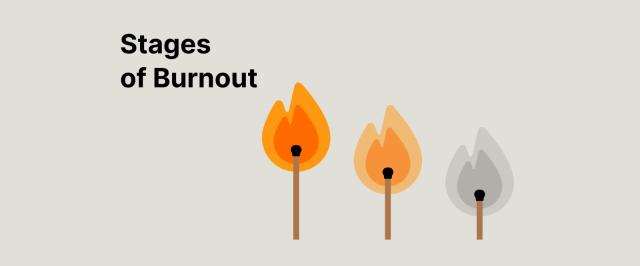
That's why emotional exhaustion from parenting sneaks up on mothers who look fine on paper. Nothing catastrophic happens — the load simply never lifts, and the stages of burnout advance quietly in the background.
What causes parenting burnout in the first place
No single crisis explains it. Four pressures stack up, and each makes the others heavier.
You're parenting without a village. Mom burnout without a village is the default now. Grandparents live three states away, and the friend who could take your kid for an hour has her own toddler melting down. That isolation compounds fast, because there's nobody to hand the baby to when you hit your limit.
Comparison runs all day. Ten minutes on social media serves up a dozen mothers looking calm in tidy kitchens. You know it's edited. Your nervous system files it as evidence anyway.
The bar keeps rising. Hours spent on childcare have climbed steeply since the 1980s, and so have hours at work. Parenting perfectionism turns an already full job into one you can never finish well enough.
Recovery keeps getting postponed. An exhausted mom gives up her nap, her shower, and her doctor's appointment before she gives up one thing her kids need. Repeat that for two years, and parental burnout symptoms are the arithmetic result. An overwhelmed mom isn't mismanaging her life — she's absorbing the slack in a system with none left.
Seven signs of mom burnout that get explained away
Most mothers can name the moment they knew something was off, then talked themselves out of it: a rough patch, a bad sleep week, a phase. Parenting burnout symptoms get reassigned to something temporary, and that's exactly how they compound.
Rest stops working. You sleep eight hours and wake as tired as you went to bed. Physical exhaustion this stubborn rarely responds to better sleep hygiene. Depleted mother syndrome is the phrase moms use for it, and it points at something real: your nervous system never left alert mode long enough to repair anything.
You're short-tempered with everyone. Mom rage feels wildly out of proportion to a knocked-over cup, and shame arrives right behind it. Mom burnout and anger travel together, because irritability is what depletion sounds like out loud.
You feel touched out. Mom overstimulation is cumulative: the noise, the questions, the sticky fingers in your hair. By evening, an overstimulated mom flinches at one more hand on her leg.
Resentment grows where love used to sit. Mom burnout and resentment show up as scorekeeping — who slept in, who showered, who left the house alone. The love hasn't gone anywhere. The fairness has.
Guilt runs on a loop. Mom guilt makes rest feel like theft, and mom burnout and guilt reinforce each other: you're too depleted to parent the way you want, so you rest less and deplete further.
You've lost the thread of your own life. You know every kid's shoe size and can't name one thing you did last month for yourself. Emotional numbness often creeps in beside it, so good moments register faintly, if at all.
Dread arrives before the day does. Mom burnout and anxiety often surface as a 3 a.m. inventory of what you might be getting wrong, or a tight chest on Sunday night.
Recognize a few? The general signs of burnout checklist covers the physical side in more depth.
📘 Learn what depletion does to your body in one 15-minute Headway summary.
The mental load nobody sees is the heaviest thing you carry
The mom mental load is the management layer of family life: remembering the permission slip is due, noticing the shoes are tight, tracking whose turn it is to bring snacks, holding a dentist appointment in your head for three weeks.
Default parent burnout comes from holding all of it. You multitask through every waking hour and still never mark anything finished. Motherhood mental load work runs even when you're sitting still, which is why a nap doesn't touch it and why "let me know if you need help" lands so badly — being asked what to do is one more thing to manage.
Jancee Dunn's 'How Not to Hate Your Husband After Kids' is worth 15 minutes on this friction. Her practical point: hand over whole categories, not individual tasks. One parent owns school communication start to finish — emails, forms, calendar entries, follow-up, with nobody supervising and nobody reminding.
Handing off a whole category also forces you to set boundaries you'd never manage to enforce task by task.
If the tension has spread past chores into how you two speak to each other, relationship burnout covers that pattern separately.


Working mom burnout vs. stay-at-home mom burnout
Both are real, and ranking whose version is harder helps nobody. The pressure points differ, though, which means the first fix does too.
| Working mother burnout | Stay-at-home mom burnout | |
|---|---|---|
Where the pressure lands | Two full roles, one calendar, constant triage | One role with no boundary and no end time |
Identity strain | Feeling like a mediocre employee and parent at once | Feeling invisible, unsure who you are outside the house |
Usual guilt trigger | Missing the recital, the 6 p.m. email, drop-off tears | Wanting a break from work you chose and love |
Recovery window | The commute, if it's not spent on logistics calls | Naptime, if it's not spent catching up on chores |
First thing to change | Protect one hard stop per day and defend it | Schedule contact with adults before you need it |
SAHM burnout gets minimized because the days look flexible from outside, but flexibility isn't rest when you're on call for 14 hours. Working mom burnout gets minimized because a job comes with breaks, most of which get spent rescheduling the pediatrician.
Mom burnout vs. depression: How to tell them apart
Mom burnout vs depression matters, because the two need different care. Burnout is tied to the load: lighten it meaningfully and you feel the difference within weeks. Depression follows you into the good days, flattening things you'd normally enjoy even on a calm Saturday with childcare handled.
A few signals call for a doctor rather than a schedule change: hopelessness lasting more than two weeks, feeling disconnected from your baby, panic without a trigger, or any thought of harming yourself. Postpartum depression and postpartum anxiety can appear any time in the first year, and both respond well to treatment.
There's no prize for waiting it out. Bring it to your OB-GYN, midwife, or primary care doctor and describe your week plainly. A therapist can help you sort burnout from depression, and maternal mental health support is far easier to access now than a decade ago. If mental exhaustion has made concentration hard for months, mention that too.
How to recover from mom burnout with no village and no childcare
Most advice for mom burnout without childcare assumes resources you don't have. Learning how to deal with mom burnout under real constraints means picking things you can do this week, in ten-minute pieces, with kids in the room. For mom burnout with no support to lean on, here's where recovery tends to start.
Finish the stress cycle, not just the task list. Emily Nagoski and Amelia Nagoski explain in 'Burnout: The Secret to Unlocking the Stress Cycle' that stress hormones need a physical exit. Removing the stressor often isn't possible; completing the cycle is — 60 seconds of stairs, shaking out your arms, deep breathing with the exhale longer than the inhale.
Lower the standard for the house on purpose. KC Davis wrote 'How to Keep House While Drowning' for exactly this state. Her core move is treating care tasks as morally neutral — a sink of dishes says nothing about you.
Delete one commitment permanently. Celeste Headlee's 'Do Nothing' takes apart the productivity story that makes rest feel like a character flaw. Pick one recurring obligation and drop it for good, not until things calm down.
Install a pause before you snap. Carla Naumburg offers concrete tactics in 'How to Stop Losing Your Sh*t with Your Kids': name your triggers, catch the physical warning signs, put one breath between the trigger and your mouth. Of the mom burnout coping strategies out there, this one holds up best at 5 p.m.
Match the reset to the depth of the hole. A shower won't repair eight months of depletion. Two minutes of mindfulness or a short guided meditation counts as a daily reset, and daily resets prevent the slide; renegotiating your week is what pulls you out. The mental reset guide sorts this by fatigue level, useful if you're wondering how to get out of survival mode as a mom.
Name the season you're in. Dawn Dais's 'The Sh!t No One Tells You' is honest company for the first year, while Ada Calhoun's 'Why We Can't Sleep' speaks to mothers hitting midlife with aging parents and money pressure at once.
How to prevent mom burnout runs on the same logic once you're steadier. Self-care for overwhelmed moms works best when it's boring, brief, and already on the calendar, and how to recover from burnout breaks the timeline into phases.
From Headway readers: 15 minutes that survived a packed schedule
Unambitious habits hold up better than grand ones. These Headway users used windows already in their day.
Ivan Karačić, a software developer, triathlete, and parent of three, walked at 5:30 a.m. one quiet summer morning and opened a summary at random. That walk became a four-month streak with no missed days. In the years before it: "curiosity without time is just frustration." Read Ivan's story
Enrique García Galán swapped 20 minutes of post-breakfast scrolling for one summary a day. A year on, he's absorbed 58, using a two-day rule so a skipped day never becomes a skipped week. Read Enrique's story
Jessica Teitelbaum used to scroll or watch TV during her morning coffee. One summary in that same window changed the tone of her whole day. Read Jessica's story
Herbert S. Burt, a mentor and leadership advisor, has kept a daily habit for nearly a year, missing only two days. He credits it for what he brings home as a husband, father, and grandfather. Read Herbert's story
Nicola Curtis, a writer on Headway's editorial team, tracked six months of 15-minute sessions. By month three, she noticed less comparison and a calmer baseline overall. Read Nicola's story.

Take back 15 minutes a day and refill your own cup with Headway
You already know what depletion costs you, so the useful question is what fits the day you've got. Fifteen minutes is one bath, one pickup line, one folding session — enough for the key ideas from a book you'd never finish otherwise.
Here's what that looks like with Headway:
Answer a few questions about your energy, sleep, and where the pressure comes from, and get a plan shaped around that rather than a generic reading list.
Read or listen, so the stroller walk and the 4 p.m. kitchen shift both count.
Start with the books above on stress management, boundaries, and household load — Nagoski, Davis, Headlee, Naumburg, Dunn — all summarized in the Headway library.
Keep going in small pieces, with progress tracking that makes a five-minute day feel like a win.
Over 55 million people use Headway to learn in the gaps of their day, and a burnt-out mother deserves that time just as much.
📘 Get your burnout recovery plan with Headway.
Frequently asked questions on mom burnout
What is mom burnout?
Mom burnout is chronic emotional and physical depletion caused by caregiving demands that never pause long enough for recovery. Common mom burnout symptoms include exhaustion that sleep doesn't fix, irritability, emotional distance from your kids, and a sense of falling short. Researchers call it parental burnout, and rest alone doesn't resolve it.
Is mom burnout the same as depression?
No. Burnout is tied to your circumstances, so it eases once the load lightens, while depression persists even on good days with nothing pressing. If low mood, hopelessness, or flatness lasts beyond two weeks, or you feel disconnected from your baby, talk to a doctor or therapist. Both improve with the right mental health support.
How long does mom burnout recovery take?
It depends on how long you've been depleted and how much load you can shift, and progress is possible even with mom burnout without childcare. Some mothers feel steadier within two to three weeks of dropping one real obligation and protecting daily rest. Deeper maternal burnout takes several months, and recovery tracks structural change rather than effort.
Can mom burnout affect my kids?
Kids read tone before content, so chronic parenting stress usually shows up as a shorter fuse and thinner patience rather than anything dramatic. Children living with a depleted parent tend to absorb more tension at home, which is reason to treat your own depletion as urgent rather than optional. They don't need an unbothered mother, just one with enough left to reconnect.
Why don't I enjoy being a mom anymore?
More common than mothers tend to admit out loud. Motherhood burnout flattens enjoyment first, so the parts you once loved — bedtime stories, slow weekend mornings — start registering as tasks. Emotional numbness and mom guilt usually arrive together, which makes it hard to say. Enjoyment tends to return as the load lifts; if it doesn't, bring it to a professional.
How do I ask my partner for help without starting a fight?
Ask for a category, not a task. "Can you own school communication start to finish" gives your partner something to manage, while "can you help more" hands them another decision. Naming the mom mental load out loud helps, and so does raising it on a calm Sunday rather than mid-argument. Then set boundaries around what you've stopped tracking.
How do I repair things with my kids after losing my temper?
Say plainly that you were short-tempered, that it wasn't their fault, and that you're working on it. Kids handle honesty better than a parent pretending nothing happened, and mom rage does far less damage when a real acknowledgment follows it. Afterward, look at what drained you that day, since the trigger is rarely the actual cause.