Self-growth
 Apps & Digital Tools
 Business & Career
 Success
 Growth Tools
 Psychology
 Communication
 Relationships

Your partner hands you their phone to show you something funny, and you catch a string of messages you weren't supposed to see. That playful teasing that feels a little too warm and a little too private. So, are you overreacting, or is flirting cheating?
Where harmless banter ends and cheating begins is one of the most contested questions couples face. A 2024 meta-analysis found that people with anxious or avoidant attachment styles are significantly more likely to engage in infidelity, often starting as a sustained need for validation outside the partnership.
This article won't hand out a universal verdict on your relationship. Instead, it gives you a framework to think about intent, impact, secrecy, and emotional closeness. You will see how to figure out where your own committed relationship draws the line and what top relationship experts have to say about it. Their top tips are available on the Headway app — a daily growth app with text and audio book summaries, personal challenges, and learning plans to match your interests.
Try Headway for daily relationship insights!
Disclosure: This article covers relationship psychology and educational content, not professional therapy advice. If you face severe distress, consider consulting a licensed marriage and family therapist.

Unspoken intentions can damage relationship trust
Unclear boundaries usually mean someone is already getting hurt.
Explore Relationship InsightsQuick summary: Is flirting cheating?
The short answer depends heavily on secrecy, emotional investment, and your shared agreements.
Is flirting cheating? It depends on secrecy, intent, and whether your partner would feel hurt if they saw it.
Flirting ranges from playful social interaction to sustained emotional intimacy.
Emotional connection built through flirting can be as destabilizing to a relationship as physical contact.
Digital flirting is a gray zone most couples have never explicitly discussed.
Most relationship experts agree on one signal: if you would hide it from your partner, that is worth paying attention to.
Keep reading for the full guide to understanding relationship fidelity and boundaries.
Is it cheating in your relationship? A quiz to find out
Not every couple draws the line in the same place, and that is completely normal. Take this quiz to get a clearer picture of where you and your relationship stand.
📘 See the full summaries of these bestsellers on Headway!
What flirting is (and why the definition changes everything)
Flirting is a form of social behavior that signals interest or attraction through verbal cues, body language, humor, compliments, or sustained attention. When someone asks, "If my partner flirts, is that cheating?" they first need to look at the context of the behavior.
You have to distinguish between incidental flirting and deliberate flirting. Incidental flirting is a reflexive moment of warmth or charm, like laughing easily with a barista. Deliberate flirting is behavior with a clear intent to attract or maintain sexual interest: same behavior, different contexts, wildly different meaning.
What counts as flirting is completely subjective. One person's harmless banter is another person's betrayal trauma. Without a shared definition, navigating ambiguous dynamics can feel just as confusing as trying to figure out a situationship meaning when you want real commitment.
📘 Build better habits with expert-backed insights from Headway!
Is flirting cheating? The infidelity spectrum explained
Most relationship psychologists talk about infidelity as a spectrum rather than a binary issue. On one end, you have a warm smile at a stranger. On the other end, you find a sustained emotional or physical affair. other end, you find a sustained emotional affair. Flirting can sit anywhere in between.
Research constantly shows that people rate behaviors differently on an unfaithfulness scale. Behaviors that people rate as highly ambiguous include going to dinner with a non-partner, forming a close emotional bond, and sending flirtatious messages.
More than 70% of surveyed individuals consider forming a strong emotional bond with someone outside the relationship to constitute infidelity. This framing of the infidelity spectrum helps you place your own situation without jumping to conclusions. You can evaluate whether flirting with someone else is a harmless habit or a real threat to your monogamy norms.
📘 Stop second-guessing your choices and find clarity with Headway!
Intent vs. impact: Why "it meant nothing" isn't the whole story
This is the core philosophical tension in every discussion about emotional infidelity. Intent and impact frequently clash when a cheating spouse gets caught in a gray area.
For the person flirting, the intent might feel entirely innocent. They may feel they are doing nothing wrong, simply enjoying a confidence boost or seeking validation. But the impact on the partner who discovers the flirting is often severe. They feel insecure, replaced, and deeply disrespected, regardless of what the flirter meant.
Both intent and impact are real, and both matter. Impact does not disappear just because intent was harmless. This dynamic often stems from validation-seeking, in which a person flirts outside their relationship to seek emotional reassurance they feel is missing at home. Flirting for validation in relationship psychology often reveals intent through behavior. Does the person flirt openly, or do they hide conversations?
📘 Get actionable relationship advice in minutes with Headway!
When does flirting become cheating? Signs the line has been crossed
Certain behaviors clearly signal that a boundary has been crossed. Secrecy is usually the loudest alarm. Hiding conversations, deleting texts, or muting a contact so your significant other doesn't see notifications are all major warning signs.
Another sign is emotional exclusivity. This happens when you share personal problems, frustrations, or fears with the person you flirt with, but withhold them from your partner. If this becomes a sustained pattern rather than a one-time event, the risk of an emotional affair increases. You might also notice a romantic or sexual charge, where the interaction carries a clear undercurrent of desire.
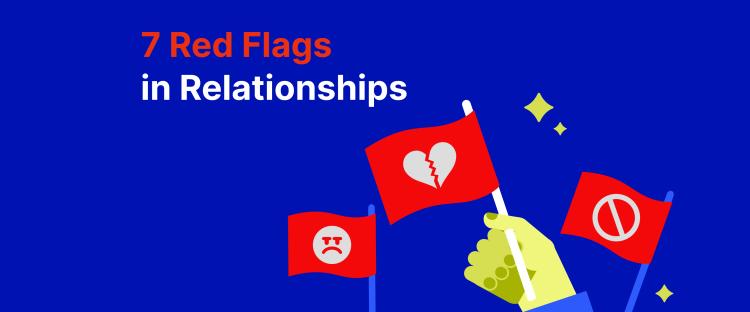
This behavior leads to a depletion of partnership, draining emotional energy that once went to your relationship. If you want to spot the red flags in relationships, pay attention to the "walk-in test." Does the flirting stop immediately when the partner enters the room?
Behavior | More likely innocent | Worth discussing |
Complimenting a colleague on their work | Yes | |
Frequent private DMs you haven't mentioned | Yes | |
Playful teasing in a group setting | Yes | |
Liking every photo one specific person posts | Yes | |
Sharing personal frustrations with them | Yes | |
Hiding a contact name in your phone | Yes | |
Flirting that stops when your partner walks in | Yes | |
A warm, one-off compliment to a stranger | Yes |
📘 Test new communication frameworks with Headway!
Digital flirting and micro-cheating: The gray zone most couples have never mapped
Digital intimacy creates a massive gray zone for modern couples. Micro-cheating involves subtle acts that seek emotional intimacy outside a committed relationship, frequently through digital behavior.
This includes sliding into DMs, following back instantly, reacting specifically to one person's stories, or sharing inside jokes in comment sections. Readers frequently ask, "She likes all his photos; is that flirting?" Context is everything.
Digital behavior blurs boundaries because there is no physical presence and no obvious crossing of the line. But the emotional investment remains very real. The key variable is secrecy. A publicly supportive comment differs drastically from a private DM the partner never sees.
📘 Discover practical ways to rebuild trust with Headway!
The asymmetric hurt problem: When partners don't agree on what just happened
One of the most painful patterns in trust repair is the gap between the flirter's perception and the partner's experience. "My girlfriend said it was just banter; is that flirting?" is a common question when partners disagree.
This asymmetry is not necessarily a sign one person is lying. It usually proves the couple never built a shared definition of cheating. The person who flirted may feel attacked over something they viewed as harmless. The partner who was hurt feels gaslit when their pain is minimized.
Trying to measure the same behavior on different scales creates resentment. The real goal of the discussion is not to declare a guilty verdict, but to establish shared rules. Figuring out how to control your emotions in a relationship helps both partners discuss this asymmetric hurt calmly.
📘 Start your personal growth habit today with Headway!
What relationship experts say about flirting, attachment, and emotional need
Relationship psychology heavily relies on John Gottman's research. Relationships erode not through dramatic events but through accumulated small moments of turning away from a partner.
Sustained flirting with someone else is a major way to turn away.
Esther Perel frames this clearly. The desire for outside attention is common in long-term relationships. The real question is what people choose to do with that desire. Covert flirting often points to unmet emotional needs.
Attachment theory explains this further. People with anxious attachment may seek external validation more often. People with avoidant attachment may rationalize emotional distance as harmless. Both patterns often stem from early experiences. People with a secure attachment style, by contrast, tend to address discomfort directly with their partner instead of seeking reassurance elsewhere or withdrawing.
The Headway summaries of 'Attached' and 'Mating in Captivity' make these frameworks highly accessible.
📘 Improve your emotional intelligence with Headway!
Top five practical tips from top relationship books
Understanding why flirting crosses a line is one thing. Knowing what to do with that understanding is another. These tips, drawn from expert nonfiction, are great starting points for reflection.
1. Name what you are seeking
When someone flirts outside a relationship, they seek admiration, novelty, or a sense of being chosen. Naming the want underneath the behavior matters more than judging the behavior itself.
Exercise: Finish this prompt: "When I flirt with someone outside my relationship, what I am looking for is ___."
2. Understand your attachment pattern before assuming your partner's
Anxious attachment makes ordinary social warmth feel threatening, while avoidant attachment makes emotional flirting feel trivial.
Exercise: Look up the three primary attachment styles. Consider which one describes your default response, and which describes your partner's.
3. Turn toward each other before the distance grows
Couples who stay connected respond to each other's small bids for attention.
Exercise: Track the moments when your partner reaches out to you in small ways for one week. Notice how often you fully turn toward that moment.
4. Identify the emotional need before addressing the behavior
Affairs frequently fill a need the primary relationship is not meeting.
Exercise: List the five things you most need from your relationship right now, like physical affection or shared time. Notice which needs feel consistently unmet.
5. Define your own limits before the question becomes urgent
Most couples operate under implicit agreements about fidelity.
Exercise: Write out what you consider cheating, and what you consider clearly fine. Notice the gray zone in between.
📘 Try these exercises and read the full book breakdowns on Headway!



How to bring up flirting with your partner without the conversation imploding
Timing matters immensely when discussing relationship boundaries. Do not start the conversation mid-argument or late at night. You have to learn how to communicate effectively in a relationship to navigate this calmly.
Lead with how you feel, not what they did. Saying "I felt unsettled when I saw those messages" lands completely differently than "you were flirting." Build a shared definition together as a genuine question. Avoid ultimatums in the first conversation, because your primary goal is to understand.
Acknowledge that finding the answer may require more than one sitting. Couples therapy is a great option if the conversation consistently escalates. Try using concrete conversation starters like, "I'm not accusing you of anything. I just felt something, and I want to be honest about it."
📘 Master conflict resolution techniques with Headway!
Why Headway works for relationship growth
People across the world use Headway to navigate relationship challenges, improve communication, and build emotional intelligence. Here is what actual users have to say about their experience with the app.
Finding self-love (App Store Review)
"I stumbled upon this app when I was endlessly scrolling, searching for a way to keep my breakup struggles from my mind. I deal with anxiety in relationships - romantic and platonic. Headway is the way! Personalized to my needs and provides challenges for me to force myself to look inward by reading! I recommended this to my friends as well :)."
Breakup mindset reset (App Store Review)
"I've been struggling with the end of a relationship, and it's been a journey of many emotions. Knowing how to reframe my mindset has given me the mental and emotional freedom to just be in love with me, for now."
Spice things up (App Store Review)
"Headway has given me the courage and some great ideas on how to spice things up in the bedroom! Headway has even provided some inspirational content to build relationships, confidence, and self-awareness, as well as to understand others. So far I'm loving Headway and recommend 10/10!"
These are selected reviews, not the full rating. Current scores are available on Trustpilot/Google Play/App Store.
📘 Join millions of readers growing daily with Headway!
Build a stronger connection with Headway book summaries
Determining if flirting is cheating comes down to open communication and understanding the impact of your actions. Whether you are dealing with digital micro-cheating, unmet love languages, or simple boundary setting, honest dialogue is your best tool.
The Headway app makes it incredibly simple to explore these relationship dynamics. You get 15-minute text and audio summaries of the world's best nonfiction books. Features like spaced repetition, personalized growth plans, and offline listening help you turn complex psychological concepts into daily habits.
Download the Headway app today to strengthen your relationship and communicate better. Start your personalized learning plan and gain the insights you need to build lasting trust.
FAQs about flirting and cheating
Is flirting cheating if my partner doesn't know about it?
Secrecy is a major indicator that a boundary has been crossed. If you hide your interactions, delete messages, or avoid telling your partner about the flirting, you are likely engaging in emotional infidelity. Honesty is critical for maintaining relationship fidelity and trust.
What is micro-cheating and does it count as infidelity?
Micro-cheating involves subtle acts that seek emotional intimacy outside a relationship, often digitally. Liking specific photos repeatedly or sending private DMs falls into this category. While it lacks physical contact, it can still severely damage trust and be viewed as cheating depending on your shared boundaries.
Is emotional cheating worse than physical cheating?
For many people, emotional affairs are deeply devastating because they involve a breach of trust, shared secrets, and a strong emotional connection. Some partners find the betrayal of emotional closeness harder to forgive than a purely physical act, though both cause significant pain.
Can someone in a happy relationship still flirt innocently?
Yes, happily married people can engage in innocent flirting if it is a reflexive, harmless social interaction. However, this depends entirely on the monogamy norms and consent rules established within the specific relationship. Open communication ensures both partners feel secure.
Why do people flirt when they are already in a committed relationship?
People often flirt for validation, seeking a confidence boost or a sense of attractiveness. It frequently points to unmet emotional needs or a desire for novelty. Flirting with someone else does not always mean they want to leave the partnership, but it highlights areas needing attention.
How do I bring up my partner's flirting without starting an argument?
Address the issue during a calm moment, using "I" statements to describe your feelings rather than making accusations. Focus on how the behavior impacted you and ask questions to understand their intent. The goal is to establish a shared definition of cheating.
Is liking someone's photos on social media considered flirting?
Liking photos can be a form of digital flirting if it is targeted, frequent, or done with sexual intent. If the behavior feels secretive or makes the partner feel disrespected, it crosses into a gray area that couples need to discuss and set boundaries around.
Does flirting mean someone has feelings for the other person?
Not necessarily. Flirting often stems from a desire for attention, playful teasing, or social validation rather than romantic feelings. However, sustained flirting with the same person can quickly lead to an emotional connection, which threatens the primary relationship.