Self-growth
 Business & Career
 Success
 Communication
 Healing
 Relationships
 Psychology
 Happiness
You spent hours filming, editing, and writing. Then you hit "Post" and wait for the views to roll in. Instead, you hear crickets.
This often happens to most creators. But going viral isn't random luck. There's psychology behind it. When you understand why people share content, you can repeat that success. This guide shows you how to use psychology, strategy, and smart tools to make your next post get the attention it deserves.
We'll also show you how the Headway self-growth app can give you the insights top creators use, without spending weeks reading. Let's crack the code, shall we?
➡️ What is Headway and how does it work?
Quick answer: How to create viral content?
To create viral content, focus on three things: a strong hook, high-arousal emotions, and social currency. Make your post grab the viewer's attention within the first three seconds; give them a reason to share it with their friends. Then, make your target audience look smart, funny, or helpful when they repost your work.
Hook: Start with a bold claim or visual surprise.
Arousal: Trigger emotions like awe, excitement, or useful anger.
Shareability: Help users express their identity.
Platform fit: Use reels on Instagram, short loops on TikTok, and personal stories on LinkedIn.
The psychology of virality: Why people share
Most people think viral videos happen by accident. They see a cat video or random meme blow up and assume it's just luck.
But our brains are wired to pass on specific types of information. When you understand these triggers, content creation becomes more effective. Instead of guessing, you start building.
Jonah Berger explains this in his book 'Contagious'. People share things that give them social currency. When you share something that makes you look like an insider or expert, your status goes up. That's a huge part of social media marketing. You're not just posting a tutorial. You're helping your followers look like they're "in the know."
What about the last viral post you sent to a friend? Did it make you laugh? Did it teach you something useful? If it did, it gave you the value you wanted to be associated with. That's how you optimize your message for a wider audience.
But knowing why people share isn't enough anymore. In 2026, every platform has its own feel and algorithm. What works as a professional story on LinkedIn will flop as a TikTok video, so you have to speak the language of each platform.
How to create viral content on social media platforms
Your target audience acts differently depending on which app they're scrolling through. Instagram users want inspiration. Threads users want conversation. YouTube users want depth. TikTok users want entertainment. LinkedIn users want career insights. The same content marketing strategy won't work everywhere.
That's why understanding each platform matters. Let's break down what works on the biggest social media platforms.
📘 Master viral psychology with Headway.
How to create viral content on TikTok
Speed is everything on TikTok. You have about two seconds to stop someone from swiping past you.
The most successful TikTok creators use a "loop" or "reveal" transition to keep people watching. When your TikTok video has a high completion rate, the algorithm shows it to more people. That's the engine that drives reach on the platform in 2026.
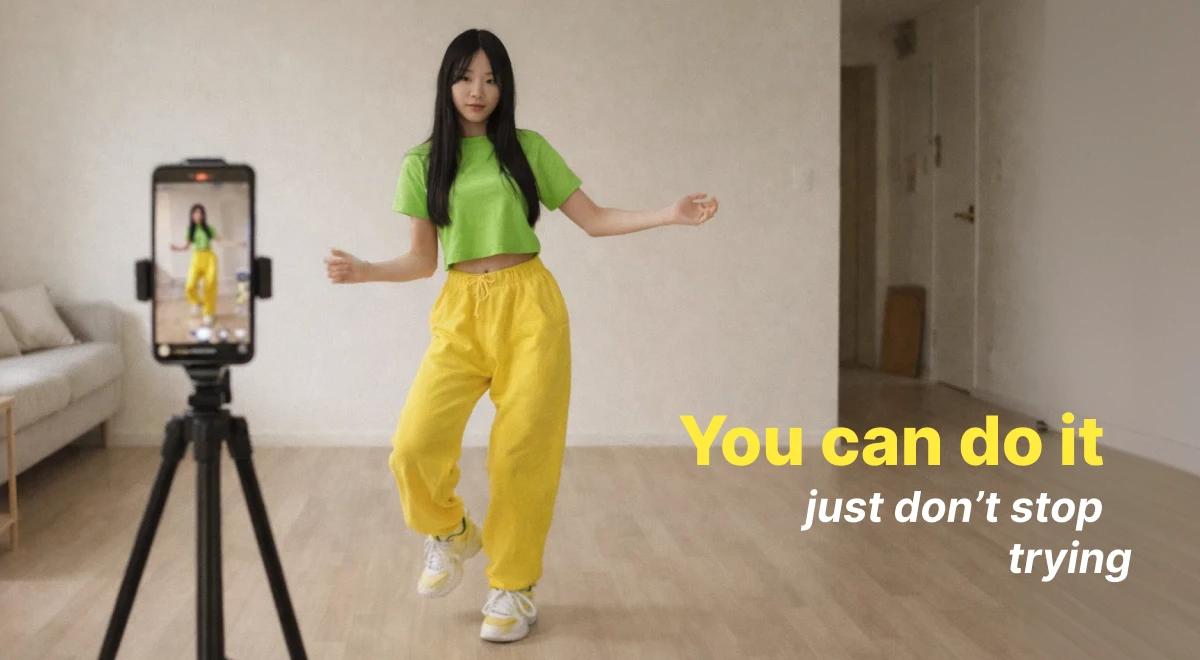
Learn the psychological hooks that make people watch till the end in Headway's creator summaries.
But completion rate isn't the only metric that matters. TikTok's algorithm also tracks how quickly people engage. Did they like your video in the first three seconds? Did they watch it twice? These signals tell the algorithm that your content is worth showing to more people.
Use trending audio: Remember to put your own unique spin on it. Don't just copy what everyone else is doing.
Keep captions short: Let the video do the talking. Long text blocks make people swipe away.
Start in the middle of the action: Skip the "Hey guys" opener or long intros. Jump straight to the good stuff.
Add text overlays: Some people watch without sound first. Your message should work either way.
One more thing about how to create viral TikTok content: the first frame matters as much as the first three seconds. If your opening frame looks boring, people won't even wait to see what happens next. Test different thumbnails if you can.
How to create viral content on Instagram
Instagram moved toward reels and aesthetic storytelling over the past few years. Users there want to be inspired or see something beautiful.
If you want to create viral content on Instagram, focus on high-quality visuals paired with relatable text. Use reels to show a before-and-after or a quick tip that solves a problem. People save these to their folders, and saves are a huge metric for growth.
Why do saves matter? When someone saves your post, they're telling Instagram that it's valuable enough to come back to. That signals the algorithm to show your content to more people. Saves drive long-term reach better than likes do.
Bold text overlays: Make the topic clear even without sound. Use big, readable fonts.
Engagement stickers: Use polls or questions in your stories to drive interaction. More engagement means more visibility.
Consistent themes: Your grid should look like a cohesive brand. Pick two or three colors and stick with them.
Post at the right time: In 2026, Instagram's algorithm favors recent posts. Check your insights to see when your followers are most active.
Instagram also rewards shareability more than ever. If people send your reel to their friends via direct messages (DMs), the algorithm interprets that as high-value content. Design your posts with sharing in mind. Ask yourself, "Would I send this to someone I know?"
Master viral content marketing campaigns on LinkedIn
LinkedIn isn't just for job hunting anymore. It's a place for "thought leadership" and professional storytelling.
To go viral here, share a lesson learned or a controversial take on your industry. Use a "broken" sentence structure to make it easy to read on mobile. Avoid big blocks of text. One-sentence paragraphs build tension and keep people reading.
LinkedIn's algorithm changed in 2026. It now prioritizes content that sparks conversations. Posts with lots of comments rank higher than posts with just likes. That's why asking questions or sharing hot takes works so well. You're not just sharing information. You're starting a discussion.
Tag relevant partners: Use partnerships to get early eyes on the post. When influential people in your industry comment, their followers see your content, too.
Share raw data: People love infographics and stats they can't find elsewhere. Original research performs really well.
Comment back: The first hour of engagement determines reach. Reply to every comment in that first hour if you can.
Tell stories: Numbers matter, but stories stick. Combine data with a personal experience.
One thing most people miss is that LinkedIn rewards reading time. If someone stops scrolling to read your entire post, the algorithm takes note. Write hooks that make people want to read to the end. Don't give everything away in the first sentence.
How to use AI to create viral social content?
Many people use AI to write their posts. That's usually why the posts fail. The text feels stiff and boring. You can spot AI-written content from a mile away — it's always "delighted" to help and loves saying things are "robust" and "seamless." Nobody talks like that.
Instead, use technology to help you find trending topics or brainstorm better hooks. If you want to know how to use AI to create viral social content properly, treat it as a research partner. Ask it to analyze the last ten viral videos in your niche and find common patterns.
Here's where specific tools come in handy. ChatGPT can brainstorm headline variations, refine messaging, and quickly verify whether your content aligns with SEO best practices through specialized GPTs. Claude Projects lets you build custom workflows for content creation — you can train it on your brand voice and feed it your best-performing posts as examples. Grammarly's AI rewriter can help you punch up flat sentences without losing your message. Just don't accept its suggestions without question.
Don't be afraid to use AI to optimize your copywriting. For example, ask it to take a boring headline and turn it into five different scroll-stopping options. Then pick the one that feels most human. That's how you stay ahead without losing your voice.
Avoid generic phrases that AI loves to use. If your post sounds like a robot, people will swipe away. Feed AI with specific examples and details. The more context you give it, the better its output will be.
Want another hack? Use Headway summaries to find "big ideas" from books about human behavior. Then feed those ideas into your prompts to create quality content that actually connects. Books like 'Influence' by Robert Cialdini explain persuasion principles that have worked for decades. Combine timeless psychology with modern tools.
Five content creation hacks to boost your reach
Sometimes the smallest changes make the biggest difference in your metrics. You don't need a huge budget or influencers to get views.
These hacks are about making your work easier to consume. If a post is hard to read or the point is buried, nobody will share it. Your marketing campaigns should focus on clarity and speed. Here are five ways to improve your content marketing immediately.
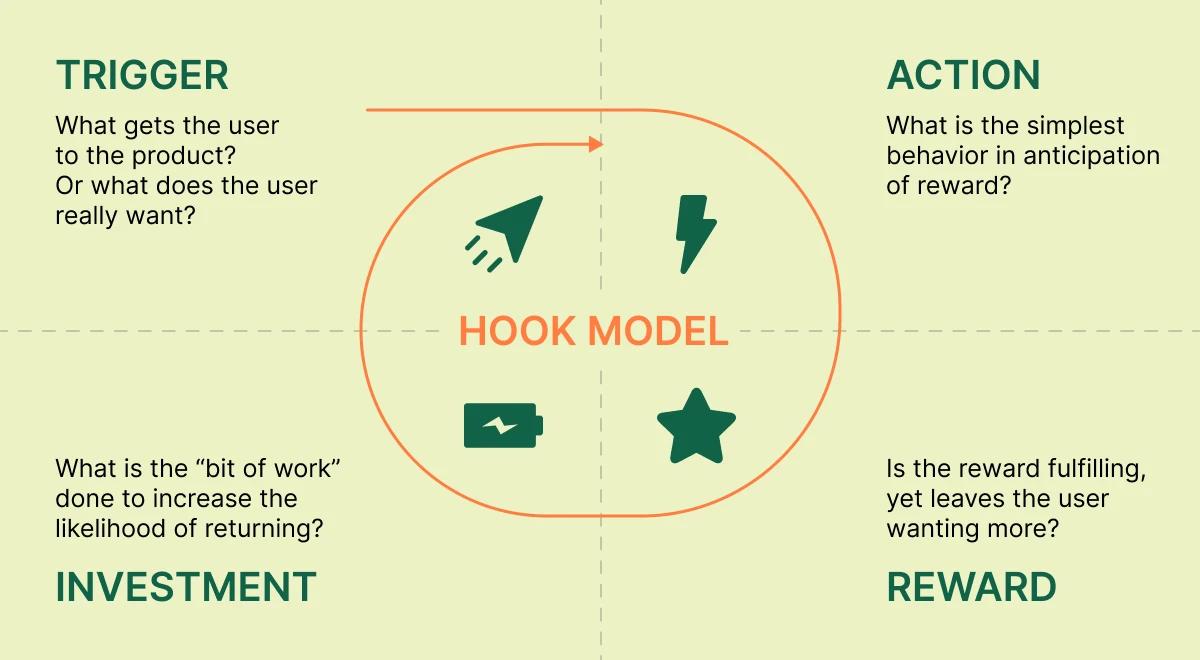
See how top marketers use psychology in Headway's 15-minute expert breakdowns.
The "negative hook": Instead of saying "How to get rich," try "Why you're still poor." It triggers a stronger emotional response. People are more motivated by avoiding pain than seeking pleasure. That's psychology 101, but most creators ignore it.
Visual depth: Use em dashes — like this — to add a pause in your writing. It makes the text feel more like a conversation (And yes, people might say it looks like AI wrote it. Ignore them. Dashes existed before ChatGPT.) Use short sentences and long sentences. Vary your rhythm. That unpredictability keeps people reading.
Bold the "why": Use bold text to highlight the most important part of your post. Skim readers should get the value even if they don't read every word. People skim more than they read, especially on mobile. Make it easy for them.
Use memes strategically: A well-timed meme can explain a complex idea faster than a 500-word caption. Memes are also highly shareable. They give your audience an easy way to express agreement or share your point with their friends.
The three-second rule: If nothing "happens" or changes on screen in the first three seconds, your TikTok video is too slow. This idea also applies to reels and YouTube Shorts. Front-load the action. Save the setup for later.
One more thing: test everything. What works for one account might flop for another. Your audience is unique. Run experiments. Try different hooks. Test different formats. Look at your metrics and do more of what works.
📘 Boost your content reach with Headway.


What makes content go viral in 2026?
As you might have noticed, the rules changed. Again.
In 2026, authenticity beats polish. People are tired of overly produced content. They want real moments, raw reactions, and genuine expertise. That doesn't mean that you should post low-quality videos. It means you should prioritize substance over fancy editing.
Niche content also performs better than broad content. The days of trying to appeal to everyone are over. When you go deep on a specific topic, you attract a dedicated audience. Those people engage more, share more, and become advocates for your brand.
Platform algorithms also got smarter at detecting engagement bait. Posts that say "Tag a friend" or "Double-tap if you agree" get buried. Instead, create content so good that people want to tag their friends naturally. Give them a reason to share beyond a generic prompt.
Emotional content still wins, but the emotions that work have changed. In 2026, people respond to:
Validation: Content that makes them feel seen and understood.
Curiosity: Posts that promise (and deliver) surprising information.
Practical value: Tutorials and hacks they can use immediately.
Entertainment: Humor never goes out of style.
Notice what's missing? Inspiration and motivation. Those emotions still matter, but they're less effective than they used to be. People are skeptical of generic motivational quotes. They want specific, actionable advice instead.
📘 Create authentic content with Headway.
Best books to read if you want to go viral the smart way
If you're serious about digital marketing, study the masters of attention. Reading full books can take weeks, but you can get the core lessons on Headway in minutes.
The titles below explore the science of popularity and how to create viral content. They look at psychology, economics, and technology to uncover why things catch on.
'Contagious: Why Things Catch On' by Jonah Berger
This book explores the science behind why certain ideas, behaviors, and products become contagious while others fade away. It uncovers the key factors that make things go viral, such as social influence, emotional triggers, practical value, and storytelling.
Berger breaks down his STEPPS framework: Social currency, Triggers, Emotion, Public, Practical value, and Stories. Each element helps content spread.
What you'll learn: How to make your audience look good when they share your content. Why some emotions drive sharing while others don't. How to make your message "triggered" by everyday events.
'Hit Makers: The Science of Popularity in an Age of Distraction' by Derek Thompson
This book looks into cultural trends to understand what makes certain ideas, products, and songs popular. It explores the intersection of psychology, economics, and technology to uncover the hidden forces behind viral sensations and enduring hits.
Thompson introduces the concept of "MAYA" — Most Advanced Yet Acceptable. People want novelty, but not too much. The best viral content balances familiarity with surprise. This book shows you how to find that sweet spot.
What you'll learn: Why some songs become hits while similar songs flop. How familiarity breeds popularity. The role of distribution networks in virality.
'The Tipping Point: How Little Things Can Make a Big Difference' by Malcolm Gladwell
Gladwell's book examines the tipping point — the exact moment when ideas, trends, and behaviors reach a critical mass and spread rapidly. It uncovers the factors that drive these tipping points, showing how small changes can lead to widespread impact.
The book focuses on three kinds of people who spread ideas: Connectors (who know everyone), Mavens (who know everything), and Salesmen (who persuade everyone). Understanding these roles helps you identify influencers in your niche.
What you'll learn: How to identify tipping points before they happen. Why context matters more than you think. How to craft messages that stick.
'One Million Followers: How I Built a Massive Social Following in 30 Days' by Brendan Kane
If your goal is to go viral and build an audience on social media, this book shares practical strategies and techniques to rapidly grow a massive following. It focuses on understanding audience behavior and leveraging the power of social media platforms to gain followers quickly.
Kane tested hundreds of different content variations to find what works. His data-driven approach takes the guesswork out of content creation. Instead of mindlessly following trends, he shows you how to test and measure everything.
What you'll learn: How to run effective A/B tests on social content. The metrics that actually matter for growth. How to scale content production without losing quality.
'The One-Hour Content Plan' by Meera Kothand
While the other books focus on the psychology of virality, this guide offers a practical, step-by-step approach to generating ideas. It covers how to craft engaging content that connects with readers and drives results.
Kothand's framework helps you never run out of content ideas. She shows you how to repurpose one piece of content into multiple formats. That efficiency matters when you're trying to post consistently across multiple platforms.
What you'll learn: How to create a content calendar that actually works. Ways to generate endless content ideas. How to repurpose content across platforms.
📘 Apply content insights with Headway.
Master the science of viral content with Headway
Headway makes the best ideas from the world's best books accessible; whether you want to master social media marketing, improve your copywriting, or understand the psychology of virality, the summaries you need are there.
Join 55 million people who are already using Headway to become the best versions of themselves. Stop mindless scrolling and start learning how to lead the conversation. Your path to creating viral content starts with the right knowledge.
📘 Upgrade your content thinking with Headway.
Frequently asked questions on things you need to know about virality
What makes viral videos work?
Viral videos work because they trigger an emotional response strong enough to make people hit the share button. They usually have a strong hook in the first few seconds, deliver value quickly, and make the viewer feel something. The best viral videos also have a clear call to action.
How to create viral content marketing campaigns?
You need to combine a great piece of content with a strong distribution plan. Reach out to influencers for partnerships and use hashtags that are relevant but not too crowded. Make sure your SEO is optimized so people can also find your work through search engines. Track your metrics and double down on what works.
How to go viral with quality content?
Quality content isn't just about having a fancy camera. It's about the value of the idea. You can go viral with a low-resolution phone video if the message is powerful or funny enough. Focus on the social currency you're giving the viewer. Will sharing your content make them look smart, funny, or helpful?
How to create viral content tips?
The best tip is to focus on the "share" button more than the "like" button. Ask yourself: "Would I send this to a friend?" If the answer is no, keep editing. Make sure your first sentence is a hook that promises a benefit. People share content that makes them look good, so give them that social currency.
How to create viral TikTok content?
Focus on the first three seconds. If you don't grab them immediately, they're gone. Use fast cuts and "on-screen" text to keep the eyes moving. Remember that a TikTok video is often watched without sound first, so make it visual. Add trending audio and put your own spin on it.
How to optimize content for virality?
To optimize your content, focus on platform-specific best practices. Use the right dimensions, post at the right times, and include relevant keywords in your captions. Study what's already working in your niche and add your unique twist. Test different thumbnails and hooks to see what stops the scroll.
How do you create shareable content?
Create shareable content by making people look good when they share it. Give them social currency. Share surprising facts, useful hacks, or funny observations they'll want to pass along. Make your content easy to consume and understand. The simpler it is, the more people will share it.
How to create viral social media content?
Viral social media content usually combines a strong hook with practical value or entertainment. Study each platform's algorithm and create content that fits each one. Use trending audio on TikTok, bold text on Instagram, and thought-provoking questions on LinkedIn. Post consistently and engage with your audience.
What kind of content goes viral?
Content that goes viral usually falls into one of these categories: educational (teaches something useful), entertaining (makes people laugh), inspirational (makes people feel motivated), or emotional (makes people feel strongly). The common thread is that people share it because it adds value to them and their network.
How to create viral content for food experiences?
For food content, focus on close-ups and sensory details. Show the cooking process, not just the final dish. Use satisfying sounds like sizzling or crunching. Tell a story about why this recipe matters. Make it achievable so people can actually try it themselves. Also, using the before-and-after format works great here.