Self-growth
 Apps & Digital Tools
 Business & Career
 Success
 Growth Tools
 Psychology
 Communication
 Relationships

Ever walked away from an argument feeling like you handled it like a complete pro? Or maybe you noticed a coworker was upset before they even said a word. If so, you might have a high EQ.
A high EQ — or emotional quotient — is the ability to identify, understand, and manage your own emotions while reading and responding to the emotions of others. Having high emotional intelligence helps you build strong relationships. It also helps you handle stress and make smarter choices.
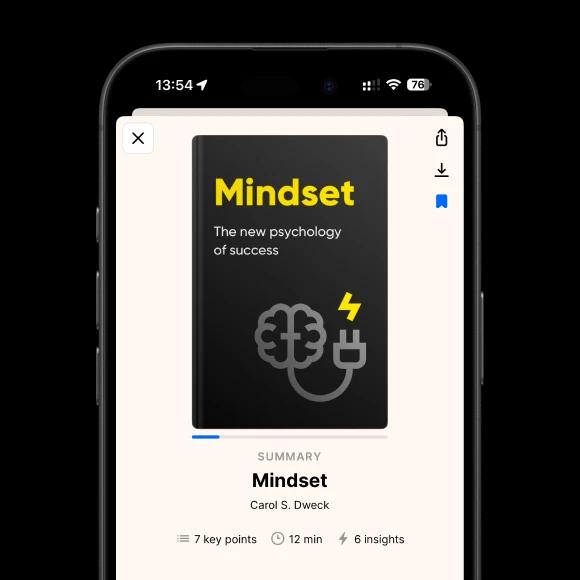
High EQ takes practice, not more time
Build sharper emotional habits in 15 minutes a day with insights from bestselling psychology books.
Level up your habitsHere is a quick look at the main signs:
Self-awareness: Knowing how you feel and why.
Self-regulation: Keeping your temper under control when things go wrong.
Social awareness: Recognizing how other people feel in the moment.
Social skills: Talking through disagreements and building trust with team members.
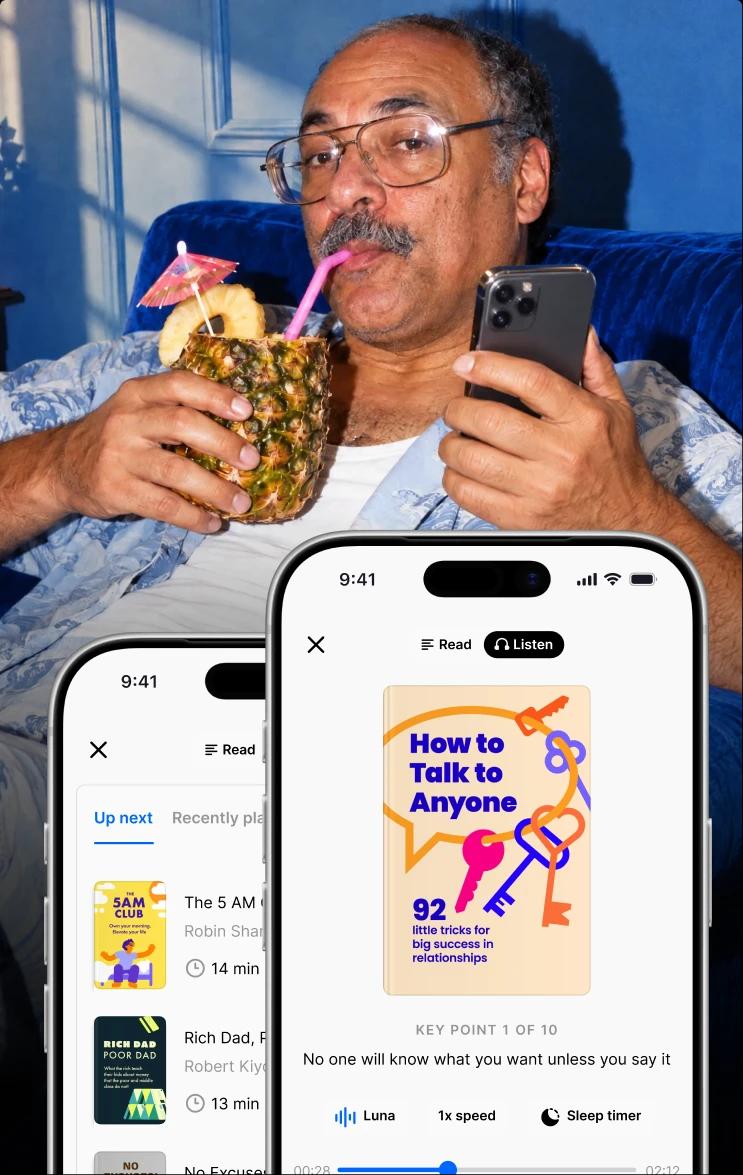
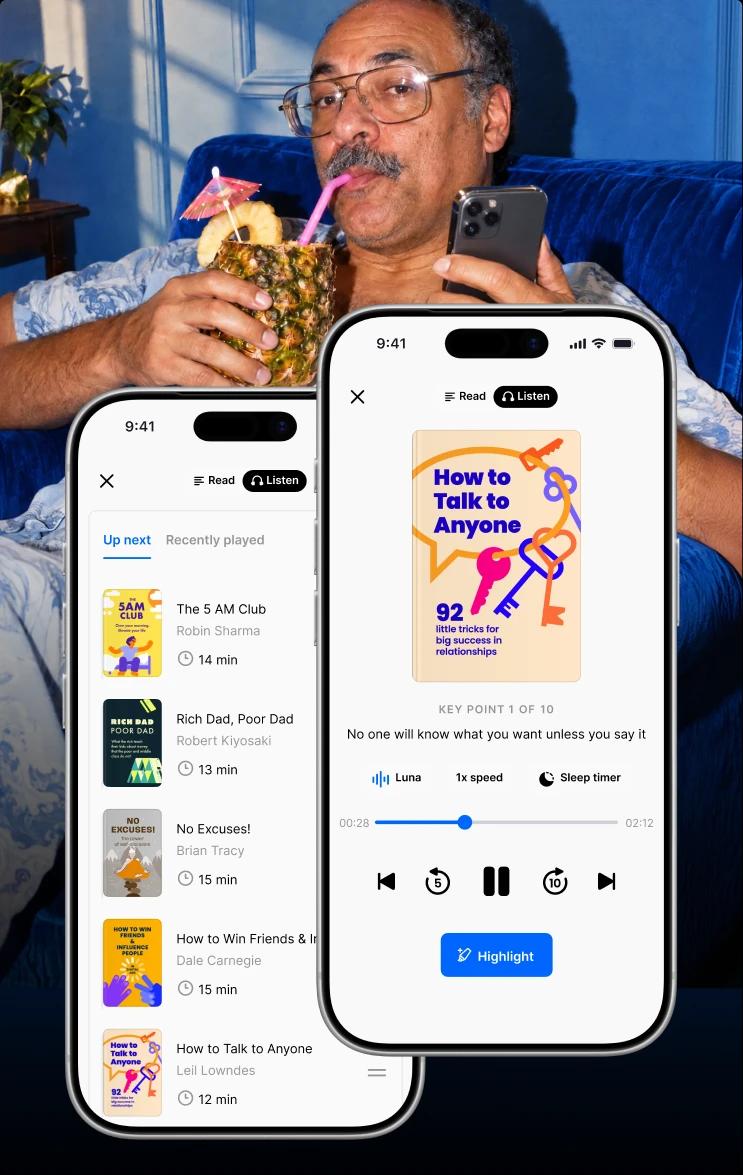
If you want to build these skills without spending hours studying heavy textbooks, the Headway app can help. Headway offers 15-minute audio and text summaries of the world's best guides to communication and emotional growth. It makes practicing daily self-care simple, fast, and highly practical.
📘 Improve emotional intelligence with Headway.
What is high EQ? Understanding emotional quotient
To grasp the high EQ meaning, you have to look past school grades and test scores. If you are wondering what is high EQ, the answer lies in how you handle everyday stress. Your intelligence quotient measures your ability to solve logic puzzles and memorize facts. But your emotional quotient determines how you handle a bad day or a difficult coworker. This form of intelligence guides how you interact with your loved ones and manage stress.
The four pillars of emotional intelligence
Psychologists break this concept down into four distinct categories that impact your everyday lives.
Self-awareness: This is the skill of monitoring your own emotions and actions.
Self-control: This involves managing negative emotions so you do not make reckless decisions.
Social awareness: This is how you read facial expressions and notice non-verbal cues.
Relationship management: This helps you maintain strong relationships and practice effective communication.
High EQ vs. high IQ: Differentiating the two quotients
For a long time, people thought that a high score on a standard intelligence quotient test was the secret to a great life. But we all know someone who is incredibly smart but struggles to work with others. This mismatch is known as the high-IQ, low-EQ paradox. It explains why technical skills are not enough for professional development or personal happiness.

The danger of being high IQ, low EQ
When you have a high IQ and EQ, you can solve hard problems and lead teams easily. But if you have a high IQ and a low EQ, you might struggle to connect with your team members. You might ignore your coworkers' emotional state, which ruins teamwork. Over time, failing to read emotional cues leads to misunderstandings and hurt feelings.
How emotional intelligence shapes your decision-making
Your emotions are like a weather report for your mind. Emotionally intelligent people do not ignore others' feelings or their own. Instead, they use self-regulation to make logical choices. They do not let temporary anger ruin their long-term plans. This self-control is what keeps your life and well-being on track.
📘 Balance logic and empathy with Headway.
11 everyday signs of high EQ
Knowing what does high EQ mean is much easier when you see it in action. These signs of high EQ are easy to spot once you know what to look for. They show up in your everyday lives and in how you interact with others. Let us look at the main high EQ traits that you can notice in yourself and those around you.
You accurately describe your emotions: Instead of saying "I am mad," you say "I feel overwhelmed by this schedule."
You pause before you react: You use self-control when you feel negative emotions, which prevents bad fights.
You practice active listening: You use your listening skills to understand others' perspectives, not just to plan your reply.
You read non-verbal cues: You notice when a friend's smile does not match the sad look in their eyes.
You are hard to offend: You understand that other people's behavior is usually about them, not about you.
You can handle difficult coworkers: You set firm boundaries and protect your own well-being from toxic drama.
You apologize when you make a mistake: You care more about building trust than winning an argument.
You let go of grudges: You do not waste energy holding onto past arguments with your loved ones.
You appreciate feedback: You look at critiques as a tool for professional development, not a personal attack.
You support your team members: You celebrate the wins of others because you value genuine teamwork.
You know your limits: You practice mindfulness and say "no" when your emotional state is running low.



How to test your emotional skills
If you want to know where you stand, you can take a high EQ test. These assessments help you identify your strengths and weaknesses in areas such as self-awareness and social skills. Here are the best ways to measure your emotional quotient.
Online self-assessments: You can answer questions about how you handle conflict and about your ability to read facial expressions.
Direct feedback: Ask your coworker or loved ones to rate your active listening and empathy.
Daily journaling: Write down your daily emotional triggers to see how your self-regulation improves over time.
Ready to read your emotions like a pro? Build your high EQ with Headway
Building emotional intelligence is not about reading one heavy psychology book — it is about repeated exposure to small, practical ideas you can apply today. That is exactly what the Headway app delivers.
Instead of staring at a 400-page book on your nightstand, you can absorb the core lessons from the world's best EQ authors in just 15 minutes. Listen during your commute, read during lunch, or replay key ideas before a difficult conversation. Headway turns dense psychology into bite-sized insights that actually stick.
Here is what makes Headway a smart companion for your EQ journey:
Curated EQ library: Access summaries of the most respected books on self-awareness, empathy, communication, and emotional regulation — all in one place.
Personalized growth plans: Take a quick quiz to get a tailored reading list based on the specific emotional skills you want to strengthen.
Flexible formats: Switch between text and audio summaries to fit your mood, energy level, and schedule.
Daily learning streaks: Build a consistent self-growth routine with gentle reminders and progress tracking.
Bestselling books on Headway to boost your emotional intelligence
Ready to start? These four titles cover the full EQ spectrum — from foundational theory to practical daily tools:
'Emotional Intelligence' by Daniel Goleman: The book that defined the field. Learn why EQ often matters more than IQ for success in work and relationships.
'Emotional Intelligence 2.0' by Travis Bradberry and Jean Greaves: A practical toolkit with 66 proven strategies for self-awareness, self-management, and social skills.
'Nonviolent Communication' by Marshall B. Rosenberg: Discover how to express your needs and handle conflict without blame, defensiveness, or escalation.
'The Charisma Myth' by Olivia Fox Cabane: Master the body language, presence, and warmth that make people feel genuinely heard around you.
More than 55 million people have already chosen Headway to grow without burning out. Your next emotional breakthrough is one summary away.
📘 Build emotional balance with Headway — start your first 15-minute summary today.
Frequently asked questions about emotional intelligence
What is high EQ?
A high EQ is the ability to identify, understand, and regulate your own emotions while accurately reading the emotions of others. Having high emotional intelligence helps you handle stressful situations, resolve conflicts, and build strong relationships. It is a vital tool for both your well-being and career.
What does it mean to have a high EQ?
To have a high EQ means you do not let temporary negative emotions dictate your behavior. You stay in control of your reactions and pay close attention to the feelings of others. This level of self-control allows you to communicate clearly and build deep trust with your loved ones and team members.
What are the signs of high EQ?
The primary signs of high EQ include strong active listening skills, self-awareness, and the ability to accept constructive criticism. Emotionally intelligent people do not hold grudges, can read subtle non-verbal cues like facial expressions, and apologize sincerely when they are wrong. They naturally focus on building mutual respect and understanding.
Is high EQ better than high IQ?
Neither is objectively better, but they serve different roles in your life. While your intelligence quotient helps you solve complex problems and learn technical tasks, your emotional quotient is what makes you an inspiring leader. Developing a high EQ is the key to managing stress and sustaining happy, healthy relationships.
Can you test your EQ?
Yes, you can test your EQ using formal assessments or simpler self-tests. A high EQ test evaluates how you handle stressful situations, express your own emotions, and interact with others. Combining these tests with honest feedback from coworkers and loved ones gives you the most accurate view of your social skills.