Self-growth
 Apps & Digital Tools
 Business & Career
 Success
 Growth Tools
 Psychology
 Communication
 Relationships

Between 1989 and 2016, college students' scores for socially prescribed perfectionism, the feeling that other people expect flawless work from you, rose by about 33 percent. For many people, that pressure starts long before college.
When a bright child carries high expectations for years, the result can be gifted kid burnout, a long-term exhaustion that builds slowly and often goes unnoticed. It might look like a child who read chapter books in first grade and now stares at a blank document for two hours or an adult who feels like a fraud whenever a task isn't easy.
Below, you'll find the signs to watch for, where this burnout comes from, and what actually helps. You'll also get five ideas from Headway book summaries by authors like Carol S. Dweck and Brené Brown.
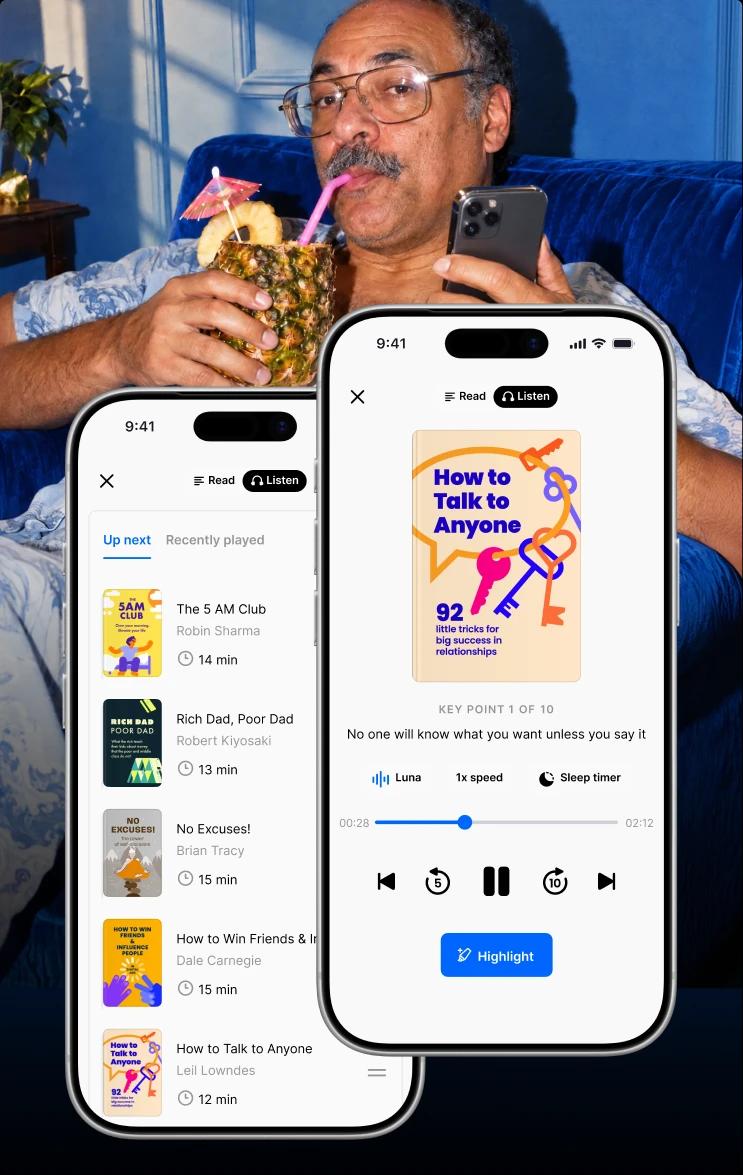
Download Headway and get key insights from top bestsellers in minutes.
Disclaimer: This article is for general education, and results vary from person to person. If you or your child have symptoms of burnout, consult a specialist, such as a doctor, therapist, or school counselor. Headway is a microlearning and daily growth app. It's not a medical or diagnostic tool.

Quick summary: Gifted kid burnout in five points
Short on time? These five points cover the whole article.
Gifted kid burnout is long-term exhaustion tied to pressure and high expectations.
Early signs include irritability, anxiety, and pulling away from friends.
Tying self-worth to grades can turn a rough patch into an identity crisis.
Praising effort and giving kids real choices helps recovery.
Headway summaries give you mindset and perfectionism ideas in minutes.
Keep reading for the full guide.
What is gifted kid burnout? A plain-language definition
Gifted kid burnout is a state of chronic exhaustion that builds when a gifted child faces long-term stress, high expectations, and a school setting that doesn't fit how they learn. It can start in elementary or middle school and follow people into adulthood.
Gifted kid burnout syndrome is an informal label, not a medical diagnosis. The World Health Organization describes burnout as an occupational phenomenon and says it isn't classified as a medical condition. People borrow the word because it fits how they feel.
The Davidson Institute describes gifted burnout as a mismatch between the child and their current educational environment. It differs from other forms of burnout, like job burnout or the emotional labor involved in caretaker roles.
Here, the strain often comes from an educational system that the child finds repetitive, unrewarding, or unfair, with little say in how to learn. Gifted children may experience chronic exhaustion from unmet expectations, both their own and other people's.
Not every gifted child burns out. Burnout is possible, but it's never guaranteed. The phrase caught on as former gifted kids described it in online videos.
📘 Get 15-minute mindset ideas you can use tonight on Headway!

When smart was your whole identity
Headway turns ideas on mindset and worth into daily insights.
Read about mindsetWhy gifted students burn out: The pressures behind the crash
Gifted students burn out when the pressure to perform keeps rising and nothing in their week gives them room to breathe. Three pressures show up again and again.
When praise turns into pressure
Kids who hear "you're so smart" all day can start to feel that their worth depends on staying that way. Gifted children may tie their self-worth to their academic performance, contributing to psychological distress. The poster child role makes it heavier. High expectations (and sometimes unrealistic expectations) come from parents, the child's teachers, and the kids themselves, often from a young age.
Researchers have tested what praise does. In six studies by Claudia Mueller and Carol Dweck, fifth graders praised for intelligence persisted less, enjoyed tasks less, and did worse after failure than kids praised for effort.
A fixed mindset is the belief that ability is fixed. The fixed mindset opposes the growth mindset's idea that ability grows with effort, so the first hard assignment can feel like proof the label was wrong.
When school stops fitting
Take a third grader who finishes the worksheet in four minutes and then waits forty. Repeat that for years, and kids lose interest.
The Davidson Institute points to repetitive work, little say in how to learn, and a school setting that clashes with the student's values. Add long-term stress, meaning pressure that never eases long enough for the body and mind to recover, and the learning process starts to feel like something to get through.
When perfectionism takes over
Gifted kids can also experience asynchronous development, meaning a mind that runs ahead of emotions. Some have over-excitabilities, which are big reactions to small things.
Davidson says both can make burnout hit harder or last longer. External pressures like college applications and packed schedules pile on. High-achieving students often carry all of this quietly, because high achievers rarely look like they're struggling.
Here's a quick recap of the causes:
Praise tied to being smart can make worth feel like a score.
Repetitive work with no choice wears kids down.
Perfectionism and big emotions make the load heavier.
College applications and packed schedules add outside pressure.
Signs of burnout in gifted children: What parents and teachers can spot
Signs of burnout in gifted children include emotional reactivity like irritability and anxiety. No gifted burnout test or assessment exists, so Davidson suggests watching three things: frequency, duration, and intensity. A bad week is normal. Watch for a pattern that keeps growing. Gifted child burnout can look different from one kid to the next, so scan this list for patterns.
Emotional reactivity shows up as irritability and anxiety.
Gifted kids may show increased irritability and social withdrawal.
Signs of burnout include loss of motivation and disengagement.
Physical symptoms may include headaches, nausea, and insomnia.
Burnout can manifest as emotional exhaustion and cynicism toward school.
Unmet expectations, their own and other people's, can leave gifted kids chronically exhausted.
Emotional impacts of burnout include feelings of hopelessness and persistent anxiety about performance.
Tying self-worth to grades adds to psychological distress.
Burnout can become a profound identity crisis for gifted individuals.
Burnout can lead to a loss of joy and curiosity in learning activities.
These signs overlap with other conditions, so anyone worried about their child or themselves should consult a specialist. Headway is not a diagnostic tool.
Emotional signs
Emotional impacts of burnout include feelings of hopelessness and persistent anxiety about performance. A child who used to shrug off a B might now cry over a 94. Mental health ups and downs are normal, so watch for a pattern across weeks.
Behavior and school signs
Gifted kids who experience burnout might skip homework they could do in their sleep, snap at siblings, or stop answering friends' texts. Davidson also lists dread about going to school and cynicism toward teachers and classmates.
Physical signs
Headaches, stomach trouble, and changes in sleep or eating can show up before anyone says a word about stress. Davidson describes burnout as a mix of physical exhaustion, mental fatigue, and emotional detachment.
Identity and joy
Burnout can become a profound identity crisis for gifted individuals. The question underneath is: if I'm not the smart one, who am I? Kids who loved science fairs might start dodging them, because burnout can lead to a loss of joy and curiosity in learning activities.
📘 Find words for what you're feeling with Headway!
Gifted kid burnout vs normal school stress: A side-by-side comparison
Gifted kid burnout vs normal school stress mostly comes down to time and weight: how long it lasts and how much it takes from a kid's day.
| What to look at | Normal school stress | Gifted kid burnout | What can help |
|---|---|---|---|
How long it lasts | A rough week, then it eases after a break | Weeks or months, and breaks don't bring relief | Track the pattern for a few weeks and talk it through |
Interest | Still excited about favorite subjects | Drops hobbies and subjects they once loved | Protect time for non-graded interests |
Body | Tired before a big test | Frequent headaches, nausea, trouble sleeping | Mention it to a doctor |
Mood | Nervous before, relieved after | Irritable, anxious, or cynical about school most days | Name the feeling out loud and lower the load |
Sense of self | Disappointed by a bad grade | A bad grade feels like proof of being "not gifted anymore" | Separate worth from results |
Watch frequency, duration, and intensity. Treat this table as a guide. It can't diagnose anything, and a specialist can help if you're unsure. To see how burnout builds step by step, check the 12 stages of burnout.
Former gifted kids and burnout: What it looks like in adulthood
Former gifted kids often hit a wall in college or a first job when work stops being easy, and the label can't do the work for you anymore. If this sounds familiar, the patterns below might explain a lot.
You freeze on a task you can't do well right away. You skip new hobbies because you'd start as a beginner. Rest comes with guilt. And you're the reliable one at work or at home, the person who keeps everything running.
That's emotional labor, and it can grow into caretaker roles nobody asked you to take. Over time, some people feel emotional detachment, a flat feeling about things they used to love.
Under all of it sits the identity question: if I'm not the smart one, who am I?
That question is worth sitting with, ideally with a therapist you trust, since it ties into your mental health. For more on that drained feeling, see our guide to mental exhaustion. If you're still working while you recover, our guide to recovering from burnout while still working has practical steps.
Four reflections to sit with:
Notice when you last rested without guilt.
Ask what you'd try if nobody were keeping score.
Spot the habits that protect a grade or a title instead of protecting you.
Think about who knew you before the label.
How to help a gifted child recover from burnout: Seven steps for parents and teachers
To help a gifted child recover from burnout, start by lowering the load. These seven steps follow the Davidson Institute's suggestions.
Lower the load first. A long break from the source of stress is sometimes the right start. Physical exhaustion and mental fatigue don't fade after one early bedtime, so give recovery real time.
Say it out loud. Normalize not being okay, build an emotional vocabulary together, and check in on a regular schedule.
Praise effort and process. Name the strategy you saw, like breaking a hard problem into smaller parts, instead of repeating the label.
Hand back some control. Let your child choose the schedule or pick how to show what they learned.
Make the work mean something. Connecting schoolwork to what the student cares about brings meaning back to tasks that feel pointless.
Add non-academic fun. Cooking, fiction, games, and anything without a grade can bring the smile back.
Bring in the school and, when needed, a therapist. Talk with the child's teachers, school staff, and a school counselor about access to challenging material and extra support.
Davidson calls gifted burnout preventable and reversible. For more ideas, see how to prevent burnout and the burnout recovery stages.
📘 Try a summary on kids and stress with Headway!
Practical tips from top book summaries: Five ideas to try this week
Reading is one of the smartest ways to train your brain, and you don't need to finish five books to try these ideas. Headway book summaries make every minute count, and they help you decide which full book deserves your time.
Praise the process and the strategy
Based on 'Mindset' by Carol S. Dweck
Dweck's basic mindset split is simple. A fixed mindset says talent is set. A growth mindset treats talent as a set of developing traits, and getting stuck is part of the learning process. The word "yet" helps a stuck moment feel temporary.
Try this: Next time someone says "I'm bad at this," add "yet," then name one strategy to try.
Give kids a real say in the schedule
Based on 'The Self-Driven Child' by William Stixrud, Ph.D., and Ned Johnson
A sense of control makes stress easier to carry. Kids who get a voice in their day tend to feel less cornered by it.
Try this: Choose one decision this week, like homework order or the weekend plan, and hand it over completely.
Practice being good enough on purpose
Based on 'The Gifts of Imperfection' by Brené Brown, Ph.D.
Worth isn't a score, and letting go of perfectionism takes practice. Small, planned imperfection is a safe way to start.
Try this: Send one email or turn in one assignment at 90 percent, then write down what happened.
Let failure stay small and safe
Based on 'How Children Succeed' by Paul Tough
Kids who rarely struggle don't get to practice recovering. Low-stakes misses build that skill early.
Try this: After something goes wrong, ask three questions: What happened? What did I learn? What will I try next?
Keep your drive without losing yourself
Based on 'The Passion Paradox' by Brad Stulberg and Steve Magness
Drive and rest work together, and identity can't live only in achievements. Strong students and former gifted kids both benefit from a self that exists outside the markers of success, like grades or job titles.
Try this: Write two lists, things you do because you love them and things you do to prove something. Move one item from the second list to the first, or drop it.

When to talk to a professional about gifted kid burnout
Talk to a professional about gifted kid burnout if you notice any of these:
The symptoms last for weeks and don't ease up.
Hopelessness shows up.
Sleep or eating changes a lot.
School refusal starts.
Panic attacks happen.
Any thought of self-harm comes up.
In the US, anyone in crisis can call or text 988, and anyone in immediate danger should call local emergency services. The Davidson Institute also lists more resources for families and educators.
Get your spark back with Headway, one book summary at a time
Gifted kid burnout grows from long stretches of pressure, praise tied to results, and work that no longer stretches a bright mind. It shows up as irritability, withdrawal, and a loss of curiosity. Recovery starts with small shifts: lighter loads, effort-based praise, real choices, and room for fun. Headway can be one of the tools that helps you try those ideas without a big time commitment.

Headway turns nonfiction bestsellers into 15-minute summaries you can read or listen to, with personalized recommendations based on your goals. Gamified streaks and challenges keep the habit going on busy days. You can start with the books in this guide, from 'Mindset' to 'The Passion Paradox'.
Pick one idea from this article and test it this week. When you want help finding the right book, download Headway and see what reading with no scoreboard feels like.
FAQs about gifted kid burnout
Is gifted kid burnout real?
Gifted kid burnout is real as an experience, though it's an informal term and not a medical diagnosis. The World Health Organization treats burnout as an occupational phenomenon, so the label is borrowed. Many gifted children and adults describe the same pattern: chronic exhaustion, lost interest, and pressure tied to being the smart one. If symptoms last, consult a specialist.
Is gifted kid burnout the same as depression or anxiety?
No. Gifted kid burnout is an informal term, while depression and anxiety are conditions a professional can diagnose. They can overlap, though. Hopelessness, panic, and big changes in sleep or eating call for a specialist, not guesswork. Headway is not a diagnostic tool, so if you're worried about your child or yourself, start with a doctor, therapist, or school counselor.
How can teachers help gifted students with burnout?
Teachers can give students real choices, like how to show what they learned. They can offer harder material so work stays interesting, connect assignments to what a student cares about, and encourage effort and strategy. A quick private check-in helps, too. When a student's mood, sleep, or attendance changes, bring in the school counselor and the family.
What is gifted kid syndrome?
Gifted kid syndrome is another informal label. People use it to describe a mix of perfectionism, fear of failure, and an identity tied to achievement that often follows early praise for being smart. It isn't a medical diagnosis. It overlaps with gifted kid burnout, which points to the exhaustion that builds when that pressure lasts for years.
How long does gifted kid burnout last?
There's no set timeline. The Davidson Institute says gifted burnout is preventable and reversible, and recovery depends on how long the stress has lasted and how much load comes off. Some kids bounce back after a long break and a few school changes. Others need weeks or months of support. A specialist can help you judge progress.
How do you recover from gifted kid burnout as an adult?
Start small. Rest without guilt, try one hobby where you're a beginner, and send one email at 90 percent. These steps teach you that your worth doesn't depend on flawless work. If the identity question feels heavy, talk to a therapist. Reading with no grade attached can help you get curious again, and a summary makes it easy to try one idea in minutes.
Can parents cause gifted kid burnout?
Burnout rarely has one cause. Pressure comes from school, peers, college timelines, and the child's own high standards. Still, parents can lead the way in lowering it. Praise effort, give real choices, and keep some time free of grades. Changes like these can happen at any age, and small ones add up over weeks.