Self-growth
 Apps & Digital Tools
 Business & Career
 Success
 Growth Tools
 Psychology
 Communication
 Relationships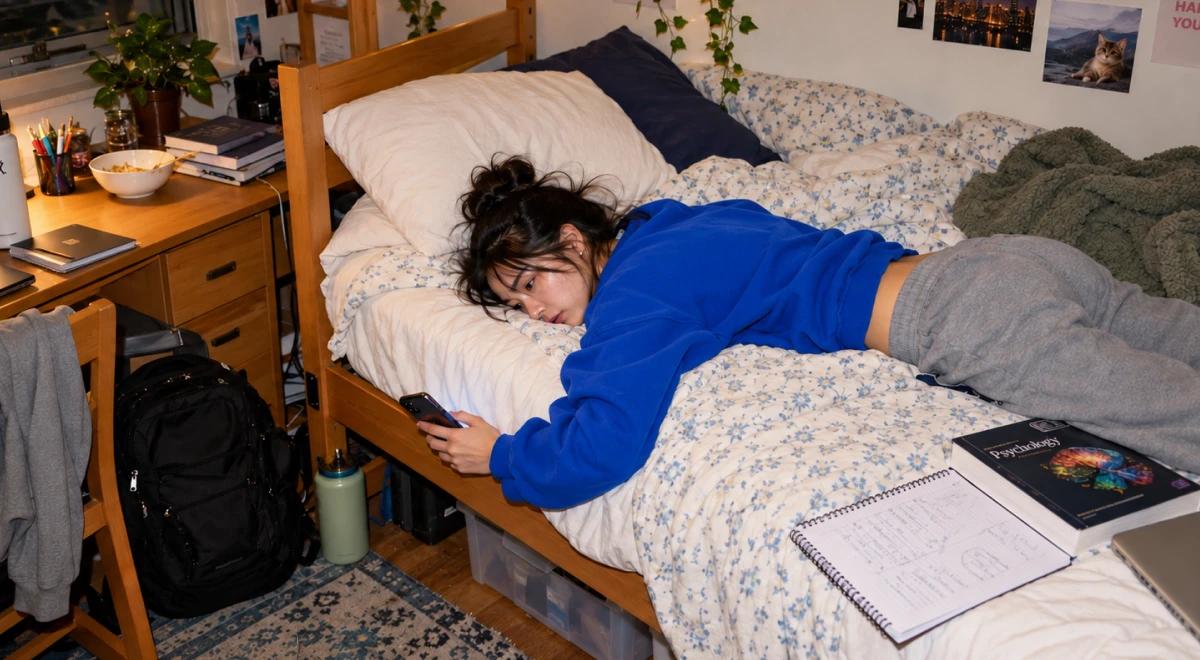

The Healthy Minds Study, the largest annual survey of college student mental health in the US, found that in 2025, 37% of students reported moderate to severe depressive symptoms and nearly a third reported moderate to severe anxiety.
The numbers have ticked down slightly in recent years, but they remain high enough to show that college burnout looks less like a personal failure to cope and more like a predictable response to sustained academic pressure.
College burnout is a state of extreme physical, mental, and emotional exhaustion triggered by prolonged academic stress. If you are wondering how to deal with burnout in college, the first step is recognizing that students deserve care, not just a quick productivity fix.
This article covers what academic burnout in college students looks like and what it takes to genuinely recover.
📘 Want to learn about burnout from experts? Get the Headway app and acces themed book summaries and growth plans!
*This article is educational, and Headway is not a specialized tool; If you experience symptoms of burnout, please contact a licensed specialist for help.

Quick summary: What college burnout looks like
College burnout combines chronic exhaustion with emotional numbness or irritability.
Academic burnout often shows up as declining grades before students notice it.
Burnout in college students can overlap with anxiety, requiring real attention.
Avoiding burnout starts with boundaries around study time, not just self-care.
Most students experience some burnout, not just those who seem overwhelmed.
What college burnout looks like
Burnout is characterized by persistent exhaustion, cynicism, and reduced effectiveness. Common signs of college burnout include chronic exhaustion and emotional instability.
Physical symptoms also appear frequently; many experience muscle tension and chronic fatigue, which means feeling constantly tired even after a full night's sleep. Over 60% of college students report burnout symptoms, making these experiences incredibly common across campuses.
When dealing with college student burnout, the cognitive effects are often the most disruptive. Burnout negatively impacts students' ability to concentrate and retain information.
This often appears first as difficulty functioning or struggling to complete assignments rather than a loud, obvious crisis. Furthermore, burnout can cause emotional numbness and increased irritability.
These behavioral changes mean that burnout changes how academic life feels, not just your energy levels. If you want to spot these patterns early, recognizing the common symptoms of burnout can help prevent a crisis.
How academic burnout builds over a semester
Burnout does not happen overnight. It develops from prolonged academic stress and the constant pressure to maintain perfect grades while juggling extracurricular activities, a personal life, and social activities.
This compounding pressure builds steadily over a semester, never fully resetting even during short breaks. The statistics reflect this steady build: 80% of college students report feeling overwhelmed during their studies, and 70% of students experienced moderate to severe burnout in 2023.
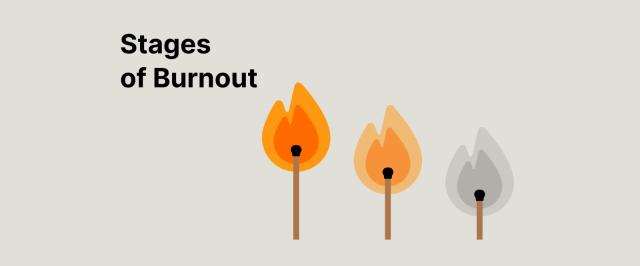
Left unaddressed, this prolonged stress often leads to a decline in academic performance. When exhaustion reaches a breaking point, burnout can lead to dropping courses or withdrawing from school entirely. Recognizing the stages of burnout helps students intervene before they start neglecting responsibilities or failing classes.
📘 Taking a break is not a waste of time. Download the Headway app to read short, practical book summaries that help you manage stress effectively.
College burnout vs. ordinary student stress
It is vital to distinguish between a stressful week and genuine burnout in college. Stress is usually acute and tied to a specific event, like finals week or a massive project. Burnout is a state of extreme physical, mental, and emotional exhaustion that persists long after the deadline passes.
Burnout can overlap with anxiety and depression, requiring professional intervention. If your symptoms feel severe or persistent, seeking mental health support is a practical, necessary step, not a sign of weakness.
Understanding the specific mechanics of academic burnout can clarify when you need a weekend off versus when you need professional help.
Signs that separate burnout from a rough patch
Signs of a rough week | Signs of college burnout |
Tired after a big exam, better after a weekend off | Tired even after a full night's sleep, repeatedly |
Frustrated with one class or professor | Cynicism or numbness about school in general |
Temporary dip in motivation | Sustained difficulty concentrating or finishing assignments |
Stress that resolves after the deadline passes | Exhaustion that persists even during lighter weeks |
📘 Don't let chronic stress dictate your semester. Try Headway for quick, actionable summaries of the best books on resilience and well-being.
Practical ways to avoid and recover from college burnout
Overcoming academic burnout in college requires more than just sleeping in on Saturday. Dealing with college burnout requires prioritizing self-care and managing time effectively.
First, setting firm boundaries around study time is essential for managing burnout. This means establishing a defined stopping point each day, rather than studying until you simply cannot retain information anymore.
Using the Pomodoro technique can help maintain focus and prevent fatigue during long study sessions by breaking work into manageable chunks. Setting realistic goals can prevent frustration and burnout.
Next, address your physical well-being. Maintaining consistent sleep habits is vital to combat burnout. Regular physical activity helps in managing stress and preventing burnout by actively clearing cortisol from your system.
Finally, social support and community engagement can mitigate feelings of burnout. Whether through study groups, peer support groups, or simply connecting with friends, a supportive network makes a massive difference.
You can also explore how to actively recover from burnout by seeking out wellness workshops or wellness programs on campus.

When college burnout starts to look like something more
For young adults in higher education, prolonged stress can sometimes mask other serious issues. As mentioned earlier, burnout can overlap with anxiety and depression.
Furthermore, students pursuing caregiving-adjacent degrees — like nursing, social work, or education — often experience something distinct from standard exhaustion. Understanding compassion fatigue vs. burnout is critical for these students.
If your symptoms are severe, persistent, or actively preventing you from functioning, campus resources can provide essential support such as counseling and academic guidance. Addressing burnout early with professional help ensures you protect your long-term emotional well-being.

Build sustainable habits with help from Headway!
Practicing self-care daily reduces stress and prevents burnout, but building those habits takes time. Headway provides 15-minute summaries of the world's best non-fiction books, giving you the tools to reduce stress without adding hours of reading to your heavy workload. Here are a few practical tips from our top summaries:
'Atomic Habits' (James Clear): Tip — redesign one study habit to require less willpower, not more discipline. Exercise — write down the absolute smallest possible version of tomorrow's most important task.
'The Gifts of Imperfection' (Brené Brown): Tip — notice one place where "good enough" would actually be good enough. Exercise — name one assignment this week where perfect grades are not necessary.
'The Subtle Art of Not Giving a F*ck' (Mark Manson): Tip — ask what is actually worth the stress response it is getting. Exercise — list three things currently causing stress that simply do not deserve it.
'Man's Search for Meaning' (Viktor Frankl): Tip — reconnect one difficult task to a reason it actually matters. Exercise — write one sentence about why this semester matters beyond the final grade.
'Meditations' (Marcus Aurelius): Tip — separate what is actually controllable from what isn't, starting with today's to-do list. Exercise — mark each task as controllable or not before you start working.
Avoiding burnout in college starts with small, daily choices.
📘 You can build a healthier approach to your academic success today by learning from the themed summaries in the Headway app!
FAQs about college burnout
What are the early signs of college burnout before it becomes severe?
Some of the initial symptoms include always feeling fatigued, having tense muscles, and being cynical about your classes. Your irritability starts to increase, and you have trouble completing simple tasks before a full-on crisis strikes, leading to general motivation loss for attending classes or participating in social engagements.
How is burnout in college students different from normal academic stress?
Normal academic stress is typically a short-term phenomenon caused by an event, for example, finals week, and subsides after the event or deadline. College burnout, on the other hand, results in constant feelings of fatigue, emotional numbness, and decreased capability, as it occurs even during light weeks or breaks.
What practical steps help with avoiding burnout in college?
When it comes to the prevention of burnout, it is important to create strict boundaries in terms of study time, get adequate sleep, and manage time wisely. The advantages of working out and applying techniques such as the Pomodoro technique for studying are significant when it comes to stress relief and the prevention of burnout.
Can college burnout lead to dropping out or withdrawing from school?
Yes, if left entirely unaddressed, severe burnout frequently leads to a massive decline in academic performance. When students feel constantly overwhelmed and begin neglecting responsibilities due to extreme physical and emotional exhaustion, it can easily lead to dropping courses or withdrawing from the university entirely.
How does academic burnout affect sleep, focus, and memory?
Burnout creates difficulties in cognitive functioning. Thus, students struggle to concentrate, learn the material, and work on their assignments properly. Besides, burnout leads to chronic tiredness, which makes students feel tired and exhausted no matter how many hours of sleep they get.
When should a student seek professional help for college burnout?
A student should seek professional help when burnout symptoms cause severe emotional instability, overwhelming anxiety, or completely prevent them from functioning daily. If experiencing burnout starts feeling unmanageable, utilizing campus resources like counseling services or peer support groups is a crucial, necessary step.
Are some majors or fields more prone to burnout than others?
Yes, while most students experience some stress, those in highly demanding or caregiving-adjacent fields — such as nursing, pre-med, social work, or education — often face an even higher risk. These students frequently experience both intense academic pressure and the unique emotional drain of compassion fatigue.
How long does it typically take to recover from academic burnout?
Recovery timelines vary wildly depending on the severity of the burnout and the coping strategies used. While minor burnout might improve with a few weeks of strict boundaries and rest, recovering from severe, chronic stress often requires months of practicing self-care daily, reducing workloads, and seeking a supportive environment.