Self-growth
 Business & Career
 Success
 Communication
 Healing
 Relationships
 Psychology
 Happiness
Are you and your partner dreaming separately instead of together? When you set couple goals, you're turning individual hopes into something you can both work toward. Relationship experts like John Gottman, PhD, whose research powers books like 'The Seven Principles for Making Marriage Work' and 'Eight Dates,' show that couples who set goals together build stronger, more resilient partnerships.
And if you want more tips from leading relationship experts, try Headway for quick, 15-minute book summaries. Access microlearning lessons on communication, intimacy, and connection — perfect for busy couples who are ready to grow together.
Download the Headway app today and set your goals with confidence!
Quick tips on how to set and achieve couple goals:
Start with small, meaningful intentions like daily check-ins
Align values through guided conversations
Build emotional safety and trust
Understand attachment patterns for balanced goals
Apply proven relationship principles
Keep reading for the complete guide to building shared goals that strengthen your relationship.

★★★★★ 172K+ reviews
Empower yourself with the best insights and ideas!
Get the #1 most downloaded daily growth app.
Get startedWhat is a "couple goal"?
A couple goal is an endeavor that brings two partners closer together.
These goals can range from everyday intentions, like improving communication or setting aside time to connect, to long-term hopes and dreams, such as achieving financial stability, traveling, or raising a family.
Unlike individual goals, a couple's goal is about collaboration. When couples set relationship goals, they commit to working together rather than independently. Shared goals help partners build trust, navigate challenges with resilience, and cultivate a connection based on shared values.
If you and your significant other want to improve your romantic relationship, this article is a great resource. We will explore practical ways to prioritize your relationship while still focusing on your personal growth, life goals, and mental health.
📘Strengthen your bond with relationship insights from the Headway app!
Why shared goals strengthen your relationships
Shared goals create a strong foundation for connection. Couples who align on shared objectives often experience deeper trust, better communication, and a collaborative dynamic.
My name is Sophia Rodriguez, and I'm a Licensed Marriage and Family Therapist based in California. In couples sessions, I often integrate Narrative Therapy, a modality that emphasizes the stories we tell about ourselves and our relationships.
The focus is to externalize the problem. When couples do this, they can separate the issue from the person. When I implement this in sessions, conflict transforms from "you vs. me" into "us vs. the problem."
With that shift, partners naturally begin forming a shared goal: Tackling the challenge together, side by side, rather than against one another.
📘Build a love that lasts with key takeaways from Headway book summaries!
A couple goal can improve relationships in the following ways:
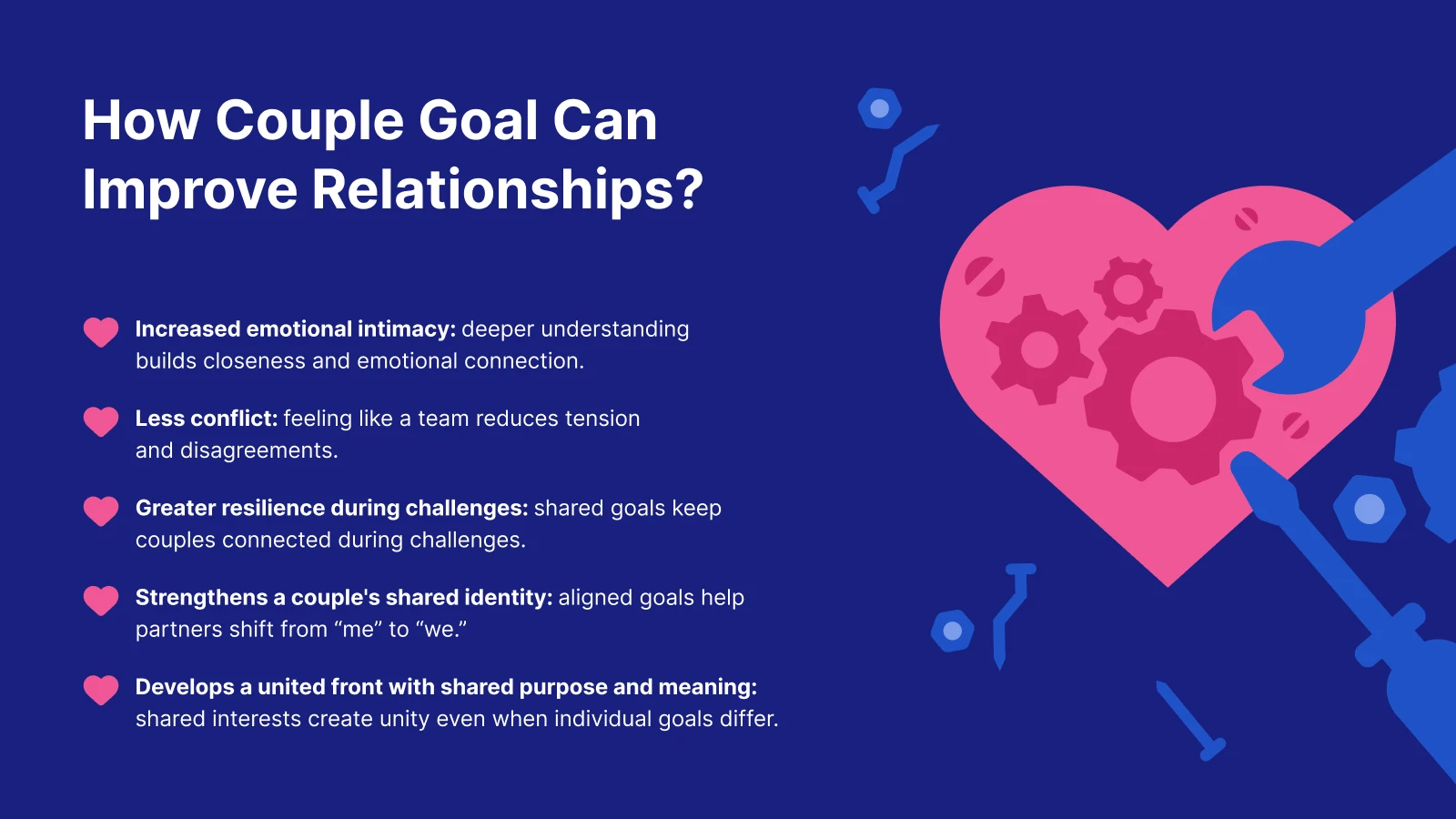
Increased emotional intimacy: You gain a deeper understanding of your partner's vision for life, while sharing your own. This process creates a greater sense of vulnerability and closeness.
Less conflict: When you feel connected and work together as a "unit," you'll often have less conflict.
Greater resilience during challenges: As a couples therapist, I commonly see couples forget about the bigger picture when they get into conflict. Maintaining shared goals increases the potential for closeness while navigating difficulties.
Strengthens a couple's shared identity: When individuals enter a committed partnership, it can be difficult to shift from "me" to "we." It's important to reconcile personal goals with shared goals, and in doing so, couples tend to establish a shared vision for the long-term relationship.
- Develops a united front with shared purpose and meaning: In addition to having passions, hobbies, or social connections outside of a romantic partner, it is also essential to have shared interests, hobbies, or passions with a romantic partner. Having shared interests creates a sense of unity that can be a source of connection, even when individual goals don't align.
📘Transform your relationship together with the Headway app!
How couple goals evolve through your relationship
Relationship goals shift as couples grow. Being aware of changing needs or goals helps partners stay aligned and connected through different life stages.
Early dating
The focus is often on curiosity and connection. Shared goals may be simple, such as planning fun experiences together or learning about each other's values. This period helps build trust and sets the stage for deeper commitment.
Living together
When two partners start living together, new challenges arise. Having goals and conversations about the little things, like who makes the bed in the morning, goes a long way. These conversations can prevent tension or resentment from building over time.
Marriage and commitment
Couples also might work toward creating a shared vision for their future, whether that means financial planning, long-term stability, or cultivating emotional intimacy. Having mutual goals reinforces the idea of "our future" in addition to "my future."
Parenthood and family life
An important goal to prioritize is nurturing the romantic connection while maintaining a strong family unit. Couples who set goals for both parenting and their partnership are more likely to feel connected and supported.
Later stages
Goals may shift toward legacy, health, and companionship. Redefining goals at this stage ensures ongoing relationship growth and a meaningful connection.
📘Stop guessing, start connecting with the Headway app!



Daily habits that bring you closer to your goals
Close and fulfilling relationships are the direct result of regularly performing certain behaviours. To help maintain your relationships, consider incorporating these daily habits and actions:
Celebrate even the smallest achievements: Recognize progress toward individual and shared goals. It can be a weekend getaway or just a chill date night.
Schedule time to connect: Plan a weekly date to talk, share ideas, and enjoy an activity together.
Use "we" language: Use language that shows your partner that you are working on issues together as a team.
Daily habits look different for everyone, and they create a culture of appreciation for those who are intentional with them. If you are wondering what daily practices would improve your relationship, a great place to start is understanding your partner's love language.

A love language describes how someone tends to give love, and how they most appreciate receiving love.
Learning your partner's love language can increase emotional intimacy. It creates a culture of gratitude, whether that's through quality time, physical touch, words of affirmation, gifts, or acts of service.
📘Gain proven couple strategies in Headway book summaries!
Stop comparing your relationship to others
Whether it's because of social media or exposure to other relationships, comparison is common. Comparing your relationship can create unnecessary tension or dissatisfaction, such as:
- Unrealistic expectations: Social media creates a highlight reel that rarely reflects daily challenges. Similarly, friends or family may not share relationship struggles openly, even though all couples do face them.
- Minimizes couple goals: Constant comparison shifts focus away from your shared vision.
- Fuels dissatisfaction: Comparison undermines the gratitude and connection that exist in your relationship, which can create resentment over time.
📘Try Headway and turn couple goals into daily wins!
Your four-step starter plan for a stronger connection
If you crave a deeper connection with your partner, try using this starter plan. It helps you build simple, meaningful habits:
Step 1. Aim for one goal at a time: Start with a small, yet significant goal that is both specific and achievable. Examples of goals would be expressing love more often (or) planning regular dates.
Step 2. Daily check-Ins (5 minutes): Spend time daily (5 minutes) to talk with your partner about their feelings and interests.
Step 3. Weekly date: Schedule time once a week for you and your partner to have quality time together (e.g., walks, coffee dates, evening chats, cooking).
Step 4: Address your intimacy: Spending time together in intimate or romantic ways is essential for a loving relationship. It's important to nurture your sex life or other forms of intimacy that you and your partner engage in.
Creating a shared goal related to sex or intimacy ensures that you connect not only as best friends, but as romantic partners, too. No matter how big or small, use this as an opportunity to recommit to previous goals or to try new things.
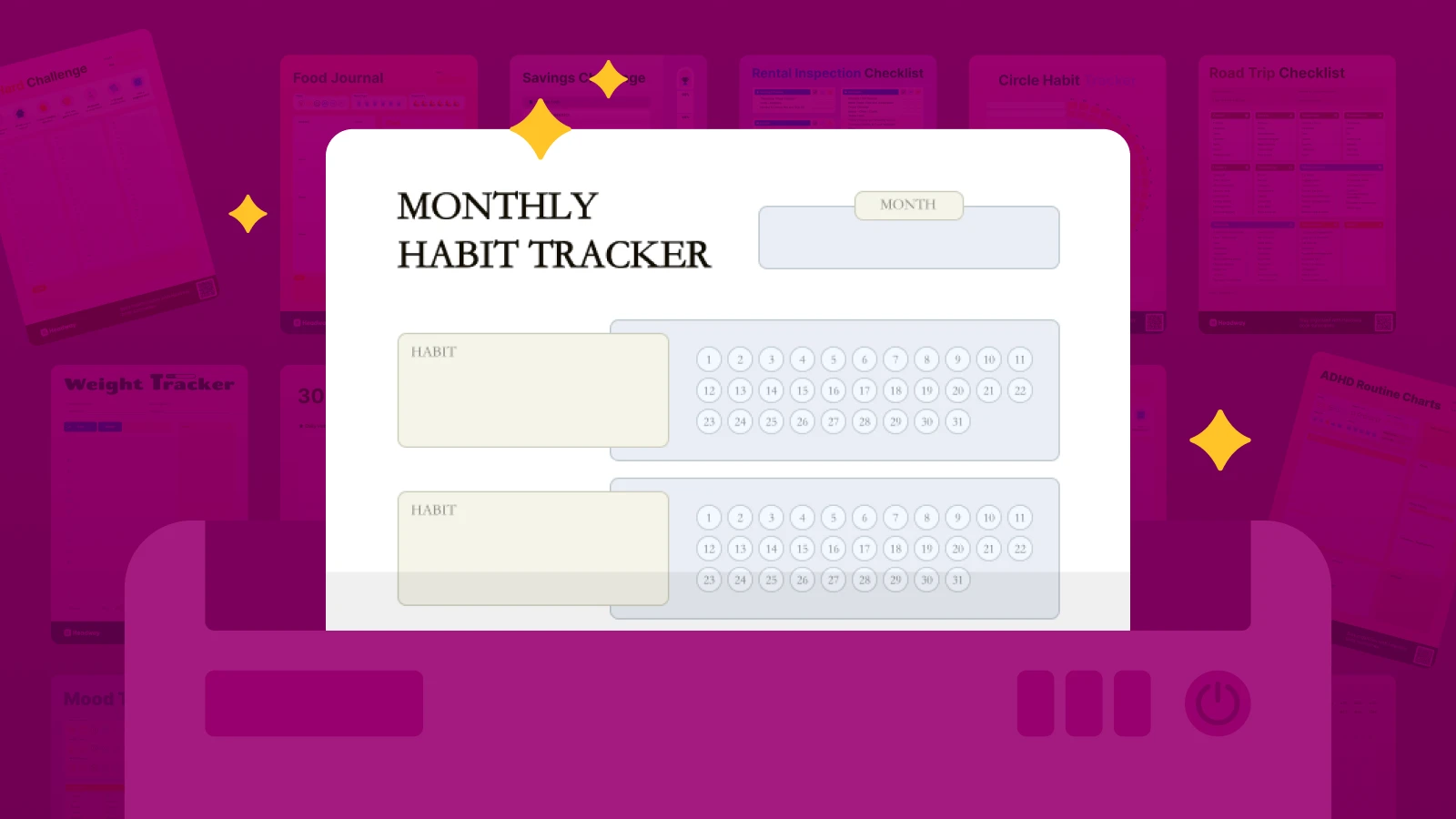
These are manageable steps you can take today to move toward a strong, lasting relationship.
Once you have completed these four steps, continue to create shared goals and celebrate the milestones you reach. Headway offers a variety of tools, exercises, and guided practices to support couples in this process.
📘Test-drive Headway to build stronger relationship habits together!
What to do when your goals don't align
Sometimes, relationships get difficult when partners experience differences in their personal values, which often inform their goals.
In couples therapy, I often invite each partner to identify their 'non-negotiables' as it relates to needs or goals. This practice encourages each individual to reflect on what they really want out of life or the relationship, and whether it's possible to align their needs with their partner's needs and goals.
This aspect may feel like a daunting topic to approach on your own, which is why there are plenty of resources available to you that aim to provide support as you navigate difficult questions.
Headway is a great place to start, and individual or couples therapy can also provide valuable support in this process. Whichever way you choose to begin, I encourage you to take a step toward having a greater understanding and compassion for yourself.
📘Get relationship wisdom without any overwhelm — download the Headway app!
Essential books for couples to read next
These are my top suggestions for further reading on Headway. Each resource offers a unique perspective on how couples can strengthen their bond and grow together through shared goals:

'The Seven Principles for Making Marriage Work' by John Gottman and Nan Silver
The book provides insight into improving everyday conversations. The recommendations encourage couples to create shared intentions about love through respect and understanding.
'The Relationship Cure' by John Gottman and Joan DeClaire
This book helps couples improve everyday conversations and connection. It offers practical tools for creating shared intentions about love through respect and understanding.
'Eight Dates' by John Gottman, Julie Schwartz Gottman, Doug Abrams, and Rachel Carlton Abrams
The authors suggest eight "dates," each with a guided conversation that prompts partners to consider their values and vision for the future. This book helps couples align on intentional objectives in their lives through meaningful dialogue and quality time together.
'Hold Me Tight' by Dr. Sue Johnson
This book is based on the principles of Emotionally Focused Therapy and teaches couples to build secure attachments through vulnerability and trust. It helps each partner talk about relationship goals in relation to the comfort and safety of attachment and emotional closeness.
The book explains how attachment styles influence relationship patterns and long-term compatibility. It helps couples understand personal needs and the influence of their own attachment style on the relationship. With this understanding, they can set balanced goals for a healthy life together.
📘Turn date night into growth night with Headway book summaries!
Your next move: Grow with Headway
Setting couple goals is your foundation for lasting love and meaningful connection. Whether you're in the early dating phase or have decades of partnership behind you, aligning on shared aspirations helps you grow together instead of apart.
Headway offers concise, 15-minute book summaries from renowned relationship experts like John Gottman, Sue Johnson, and Amir Levine. Access practical tools, guided exercises, and actionable insights that support you and your partner in building stronger bonds — all designed for busy couples who want real results.
Download the Headway app today to explore relationship-building book summaries and start creating the shared vision you and your partner deserve.
May your life be enriched by meaningful connections that bring you both fulfillment and shared joy.
Best wishes,
Sophia Rodriguez, LMFT
Frequently asked questions about couple goals
How do you set realistic couple goals?
Discuss your values and priorities.
Deepen your understanding of how your personal goals align or misalign with your partner's individual goals.
Collaborate on a shared goal, no matter how big or small.
Break down your goal into manageable steps.
Check in regularly to adjust together.
Why are shared goals important in a long-term relationship?
Shared goals give partners a roadmap for life together. They build trust and support the well-being of each partner. Couples who create shared goals cultivate a strong foundation built on collaboration, which promotes a sense of stability and resilience, especially during challenging times in the relationship.
What is a good couple goal that promotes well-being?
A strong couple goal that enhances well-being is practicing weekly self-care together, such as cooking healthy meals, exercising, or scheduling a mindful getaway to recharge as a team.
How do you build a good relationship with shared goals?
Couples build a good relationship by setting shared goals, celebrating good times, and supporting each other's growth. This balance fosters closeness and mutual respect. Start by discussing your values and vision for the future together, then break larger goals into small, actionable steps.
When should a couple break up?
This question is a personal decision that depends on various factors. To maintain a healthy relationship, it's important to experience mutual respect and commitment to a shared vision for life together. It's common for couples to misalign on at least one of these fronts throughout the course of a relationship. Still, it's possible to overcome those challenges with effective communication and trust. Breaking up may become an option if one or both partners consistently fail to uphold the foundational elements of a lasting relationship.
What if my own goals don't match my partners?
This sentiment is very common and not inherently a negative thing. In fact, having individual goals that differ from your partner's can introduce curiosity or a sense of novelty to the relationship. Partners may enjoy learning new things about their counterpart and appreciate how those goals differ from their own strengths or desires. Healthy relationships find a balance between promoting collaboration while maintaining individuality.