
 Self-growth
 Apps & Digital Tools
 Business & Career
 Success
 Growth Tools
 Psychology
 Communication
 Relationships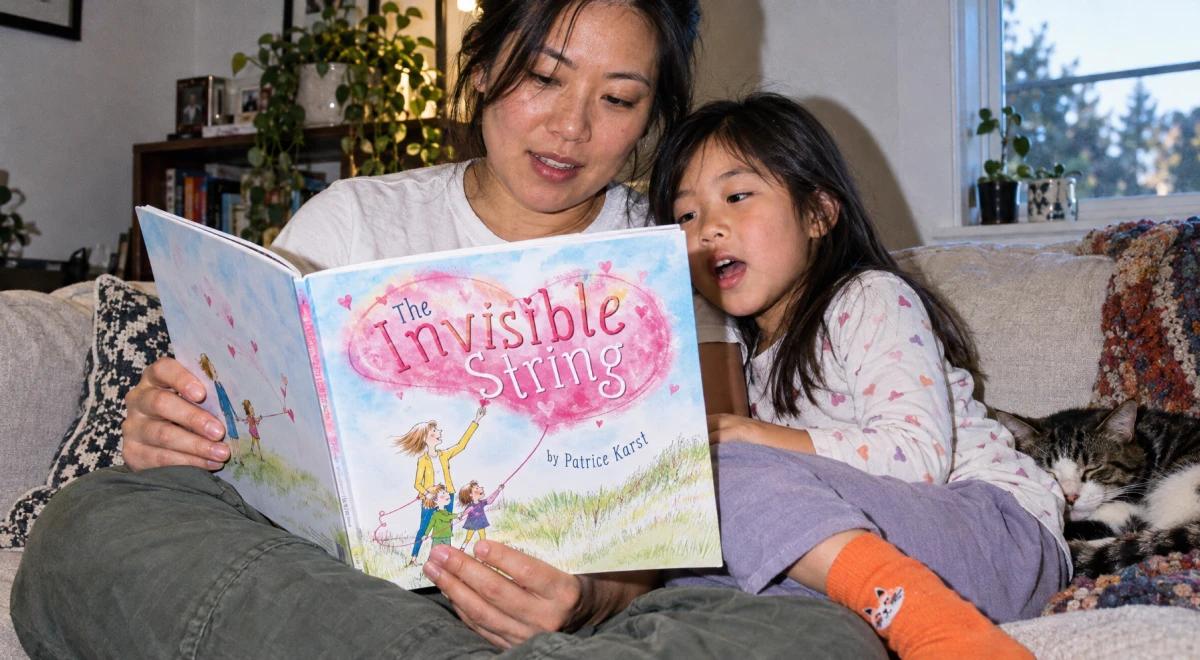

Grief rarely follows the tidy, predictable stages people expect. More often than not, a person in mourning reaches for a book at two in the morning simply because the silence in the house has become unbearable.
There is a desperate need for words when you are entirely unable to find your own. The problem is that most people do not know what kind of book they actually need in those moments.
Finding the best books about grief means sorting through heavy clinical research, deeply personal memoirs, and gentle fiction to find the exact voice that matches the shape of your sorrow.
Grief is the natural, often painful emotional response to losing someone or something you love; it is a normal extension of that relationship, not a problem to be permanently fixed or cured. This reading list is sorted by format and audience to help you find a steady companion for this process.
📘 Download the Headway app to find short, comforting summaries of the world's most thoughtful books on human resilience!
*Please note: this article provides informational reading recommendations and is not a replacement for professional grief counseling, therapy, or medical support services.

Quick summary: The best books about grief, sorted by what you need right now
If you simply need a starting point today, here is how the recommendations break down.
Best books about grief split into memoir, practical guidance, and fiction.
Books about grief for kids use simple language to explain death and loss.
Books about grief for adults range from memoirs to research-backed guides.
Fiction books about grief use story instead of direct advice.
Books about grief and bereavement include both clinical and personal accounts.
Books about grief and loss for adults: Memoir, medicine, and meaning
When looking for books about grief for adults, the most helpful titles usually avoid offering cheap, hollow platitudes. Instead, they offer perspective.
While not traditionally categorized alongside modern books about grief and bereavement, 'Man's Search for Meaning' by Viktor Frankl is the foundational text on surviving the unbearable.
Frankl's account of finding meaning through the worst possible loss offers profound insight into human resilience, earning its permanent place on any list of the best nonfiction books.
For an entirely different perspective, 'When Breath Becomes Air' by Paul Kalanithi is a breathtaking memoir written from the inside of loss. Kalanithi, a brilliant neurosurgeon, chronicles his own terminal illness, examining what makes life worth living when death is imminent.
If you are navigating the medical reality of loss, 'Being Mortal' by Atul Gawande provides an unflinching look at what modern medicine gets wrong about the end of life, and what a more honest, compassionate relationship with mortality could actually look like.
Finally, 'Dear Life' by Rachel Clarke blends her daily work as a palliative care doctor with her own deeply personal experience of losing a loved one. By exploring the themes of absence and memory, these books offer wisdom that echoes the early philosophical inquiries found in classic Aristotle books.
📘 Find a quiet moment for yourself today. Try Headway to read or listen to gentle 15-minute book summaries during your daily commute or evening routine.

Do grief books still matter?
Headway offers thoughtful books in text and audio, whenever reading feels hard.
Read about resilienceFiction books about grief that sit with loss instead of explaining it
Sometimes, direct advice is too heavy to absorb. Fiction books about grief process offer a completely different kind of solace; they give you permission to feel something through a character before you are ready to name that same feeling in yourself.
For instance, 'A Monster Calls' by Patrick Ness (based on an original idea by Siobhan Dowd) uses a dark, fantastical story about a boy and a massive yew tree to explore the crushing, confusing anger of anticipating a parent's death.
It refuses to offer a tidy, happy ending, choosing instead to honor the messy, complex reality of mourning. Similarly, 'The Year of Magical Thinking' by Joan Didion — while technically a memoir — reads with the narrative pacing of the greatest modern classic books.
Didion's searing, National Book Award-winning account of the year following her husband's sudden death perfectly captures the frantic, irrational "magical thinking" that occurs when the grieving brain refuses to accept a new, devastating reality.
Books about grief for kids: Naming a loss without overexplaining it
Children process loss very differently from adults, making books about grief for kids a distinct and vital category. The primary goal of these books is simply naming feelings, not managing them or rushing toward a resolution.
For younger children, 'The Invisible String' by Patrice Karst offers a deeply comforting visual metaphor, explaining that we are always connected to the people we love, even if we cannot physically see them.
For slightly older readers dealing with more complex emotions, 'Tear Soup' by Pat Schwiebert and Chuck DeKlyen uses a gentle, accessible recipe metaphor to show that everyone cooks up their own unique blend of sorrow, and that it is okay if yours takes a long time to simmer.
These books help kids find the right words to ask questions about death without overwhelming them with clinical facts.
Books about dealing with grief when it shows up as anxiety or anger
Grief has no single timeline, and it rarely looks like simple sadness. Books about dealing with grief frequently address the reality that unprocessed mourning often manifests as intense anxiety, exhaustion, or sudden rage.
As of 2022, the American Psychiatric Association officially recognizes that, for a specific segment of the population, acute mourning does not resolve on its own; Prolonged Grief Disorder, now included in the DSM-5-TR, affects an estimated 7 to 10% of bereaved adults. This is exactly why "just give it time" was never sufficient advice.
If you are reading psychology books for beginners, you will quickly learn that Elisabeth Kübler-Ross's famous five stages of grief — denial, anger, bargaining, depression, and acceptance — were never intended to be a strict checklist or a linear timeline.
Grief comes in unpredictable waves. When a wave hits, the most practical coping strategy is simply naming it — saying "this is grief, not a crisis" — rather than trying to reason your way out of the panic.
Which books about grief and bereavement fit what you're going through
Here is a brief guide to help you find the right book for your specific situation.
| Book | Format | Best for |
|---|
'Man's Search for Meaning' — Viktor Frankl | Memoir / philosophy | Readers looking for meaning after unimaginable loss |
'When Breath Becomes Air' — Paul Kalanithi | Memoir | Readers facing their own or a loved one's terminal illness |
'Being Mortal' — Atul Gawande | Nonfiction | Readers navigating end-of-life care decisions for family |
'Dear Life' — Rachel Clarke | Memoir | Readers who want both a doctor's and a mourner's perspective |



Turn to Headway when you're ready for something steady between chapters!
Grief literature is heavy, and reading an entire book on the subject can easily become overwhelming. If you need a gentler pace, you can find 15-minute summaries of the four core nonfiction titles listed above in the Headway app.
Headway's library focuses entirely on actionable nonfiction, you can use these short summaries as a steady, quiet companion between your therapy sessions or on days when your focus is entirely fractured.
Whether you are browsing the best books for self-improvement or looking for profound books to read before you die, Headway allows you to absorb meaningful ideas in small, manageable pieces.

📘 Take your time, and when you are ready, explore the library by downloading the Headway app!
FAQs about books about grief
What is the best book to read first after losing someone close to you?
There is no single perfect book, but Joan Didion's 'The Year of Magical Thinking' is widely considered a masterpiece for the immediate aftermath of a loss. It perfectly captures the frantic, irrational, and completely disorienting shock of sudden bereavement without offering false hope or toxic positivity.
Are there good books about grief written specifically for children?
Yes, there are excellent resources available for children. 'The Invisible String' by Patrice Karst and 'Tear Soup' by Pat Schwiebert are highly recommended. These books use gentle metaphors and age-appropriate language to help children name their big feelings and understand death without terrifying or overwhelming them.
What is prolonged grief disorder, and how is it different from normal grief?
Normal grief comes in waves and slowly integrates into a person's life over time. Prolonged Grief Disorder, officially recognized in the DSM-5-TR, occurs when severe, intensely disabling grief symptoms persist for over a year (in adults), completely preventing the bereaved individual from functioning in their daily life.
Do the five stages of grief happen in order?
No, the famous five stages — denial, anger, bargaining, depression, and acceptance — were never meant to be a strict, linear timeline. They are simply common emotional responses to loss. A grieving person might skip stages entirely, experience them simultaneously, or cycle back through them repeatedly over many years.
What are some novels that deal with grief and loss without being self-help books?
If you want to explore grief through fiction rather than direct advice, 'A Monster Calls' by Patrick Ness is a devastating, beautiful look at childhood loss. Additionally, 'The Bridge to Terabithia' by Katherine Paterson remains a classic, powerful novel about navigating the sudden, tragic death of a close friend.
How can books help with grief-related anxiety or panic attacks?
Books written by clinical psychologists and grief counselors can help you recognize that sudden anxiety and panic attacks are completely normal, physical manifestations of unprocessed mourning. By learning the science behind the grieving brain, you can reduce the secondary fear of feeling like you are losing your mind.
Is it normal for grief to resurface years after a loss?
Yes, it is completely normal. Grief is not something you permanently cure; it is something you learn to carry. Significant life milestones, anniversaries, a familiar smell, or a sudden memory can easily trigger a powerful, unexpected wave of grief many years or even decades after the initial loss.
Where can someone find grief support beyond books and reading?
If you are struggling, please seek professional support. You can find specialized grief counselors, licensed therapists, and local bereavement support groups through organizations like the American Psychological Association (APA) or by asking for a direct referral from your primary care doctor, hospice care provider, or local hospital.
Are there literary memoirs that specifically explore the sudden loss of a sibling?
If you only choose one book to read about this specific grief, many literary memoirs highly praised by the New York Times and Washington Post offer profound comfort. Whether an author is recounting the sudden loss of a sister or sibling — such as a tragic accidental drowning during a New York summer — these writers capture exactly what it feels like to have witnessed someone you love suddenly die. Across their pages, these memoirs beautifully validate your pain while ultimately helping you feel grateful for the time you shared.
How do different books address the cultural aspects of mourning and the long journey of healing?
Many thoughtful books and articles highlighted by the Huffington Post explore how our culture handles the practical aspects of death, from preparing food for a wake to simply holding quiet space for long-term healing. If you are interested in moving forward, you might feel encouraged by authors who discuss eventually finding joy again, which is sometimes referred to as the missing stage of the grief journey. These other resources treat the bereaved with immense compassion, often suggesting practices like meditation to help you navigate the overwhelming emotions.