Self-growth
 Business & Career
 Success
 Communication
 Healing
 Relationships
 Psychology
 Happiness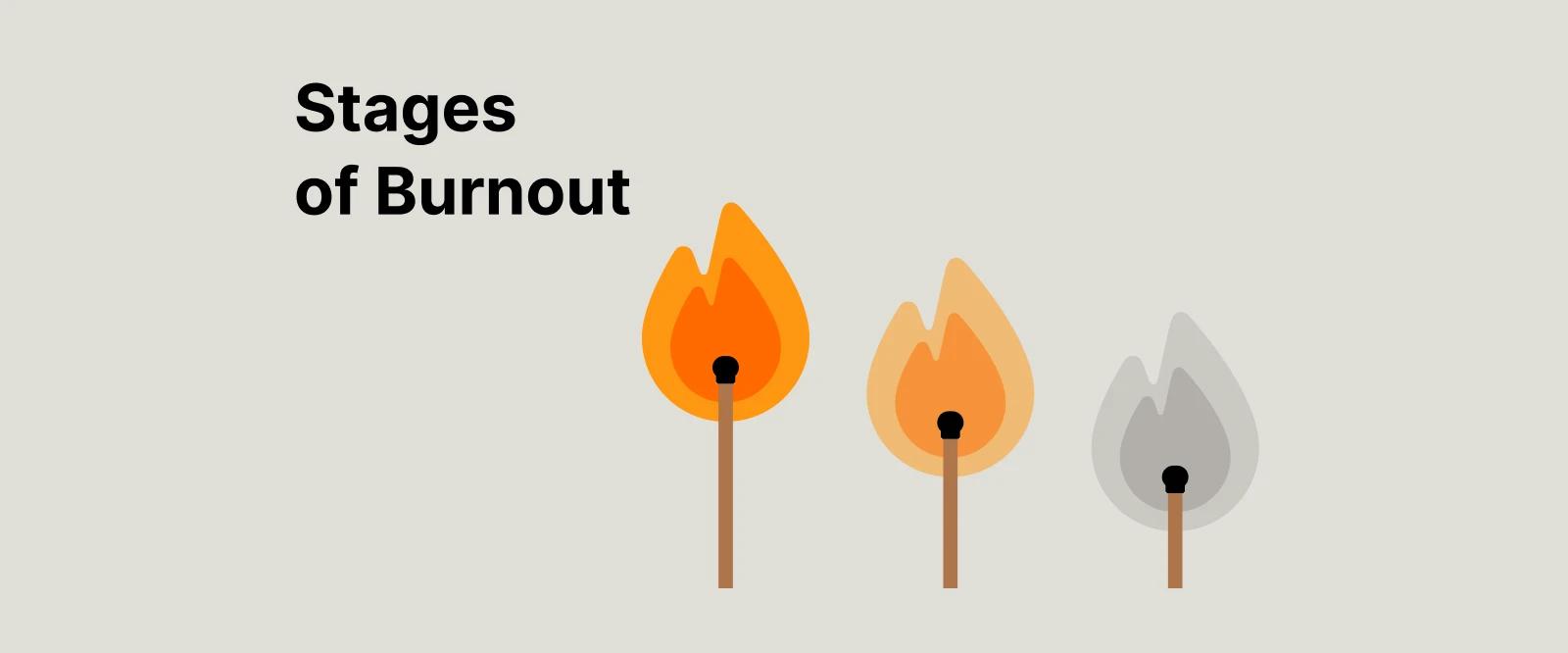

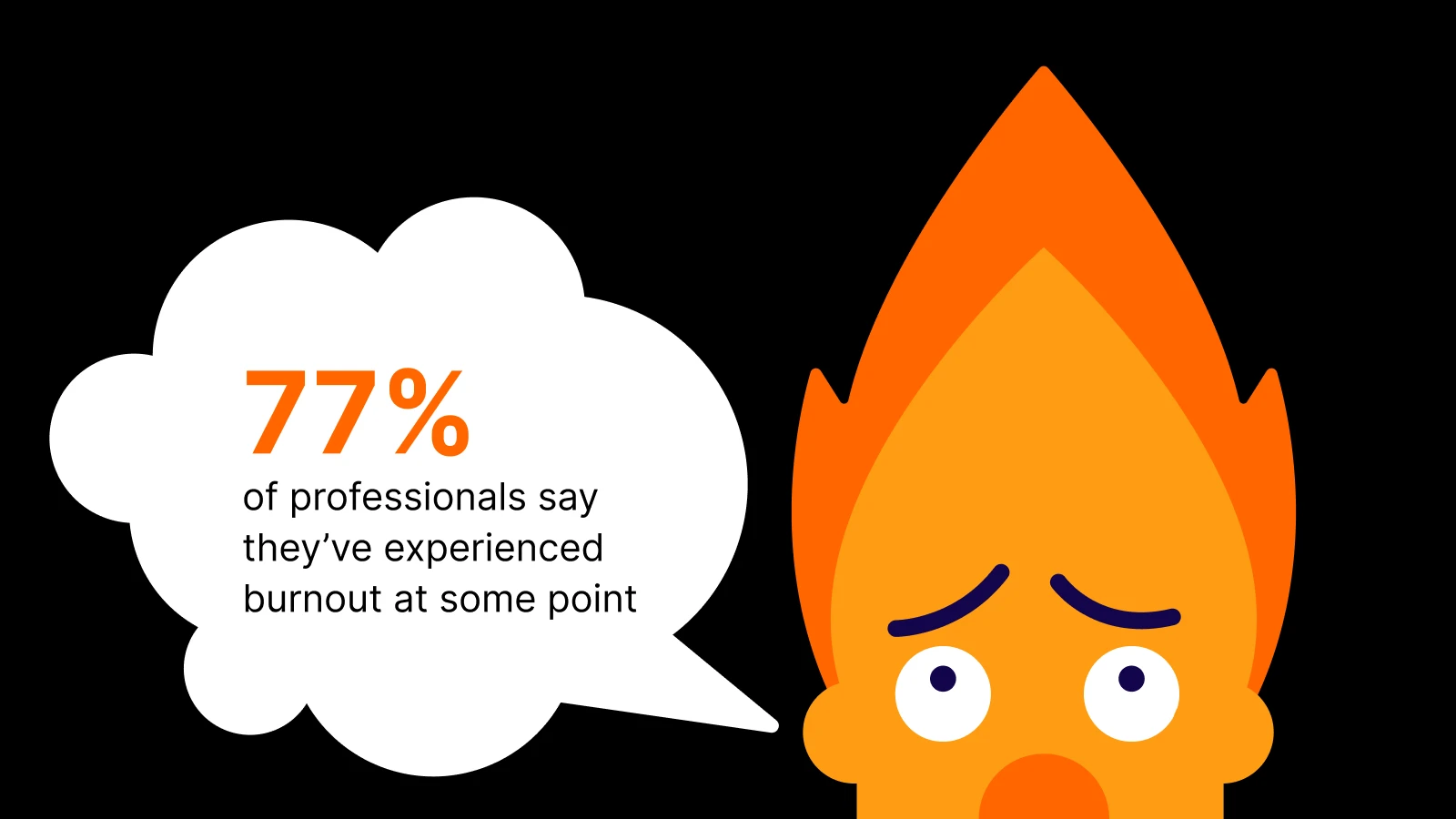
Over the years, I've worked with countless individuals who came to me feeling lost, exhausted, and disconnected. What they were experiencing was burnout — a slow unraveling through distinct stages of burnout that turns motivation into dread and passion into numbness. Research shows 77% of professionals have experienced burnout, yet most don't recognize the warning signs until it's too late.
As a Trauma Educator and Somatic Practitioner, I've guided people through the stages of burnout back to balance and resilience. In this guide, you'll discover how to identify where you are in the burnout cycle, understand what's happening to your body and mind, and most importantly, how to break free before it takes hold.
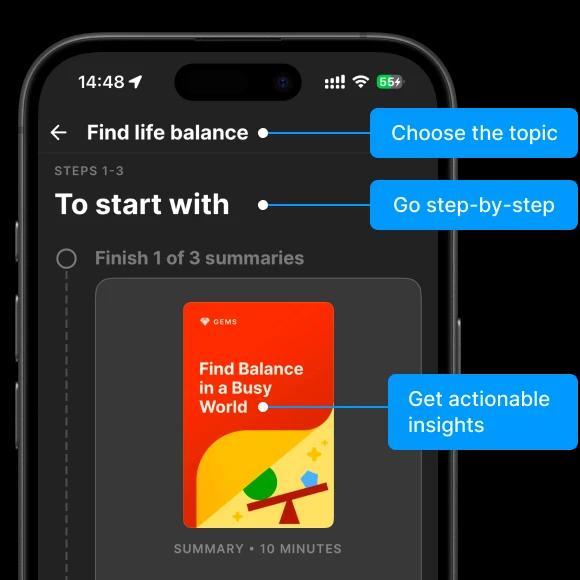
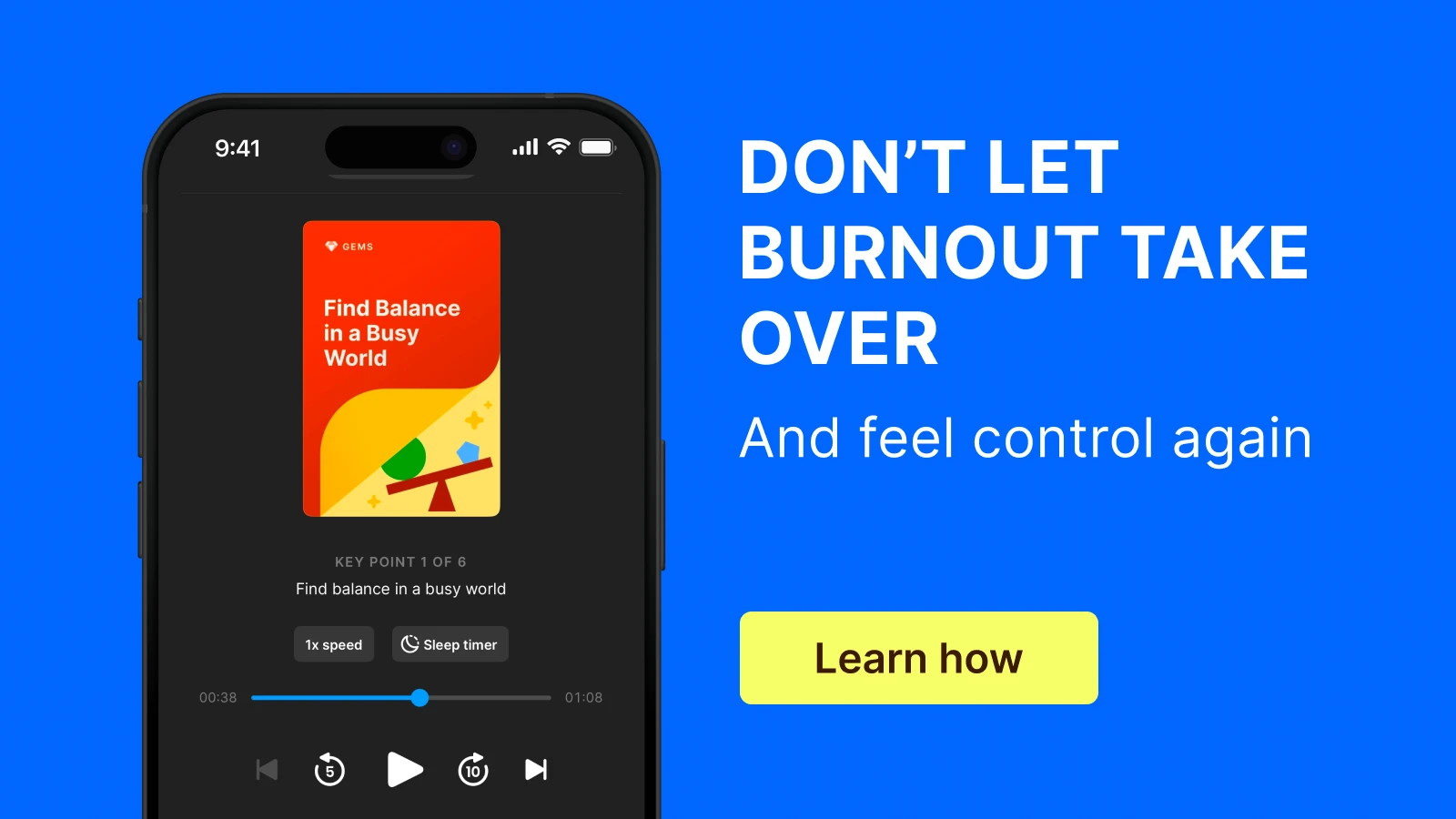
I'll also share insights from leading books ( 'Burnout' by Nagoski sisters, ‘The Power of Now’ by Eckhart Tolle, and more) that explore burnout in depth — because sometimes, the right words at the right time can be the first step toward healing. Their detailed summaries are gathered on the Headway app — a daily growth tool with key insights from nonfiction bestsellers.
Download Headway today and learn to recognize (and beat!) burnout with top expert tips!
Quick overview of the stages of burnout and recovery:
Recognize the 12 stages — from proving yourself to complete collapse
Learn how stress gets trapped in your body and why rest alone isn't enough
Set boundaries to protect your energy
Regulate your nervous system through mindfulness
Simplify your life to prevent falling back into the cycle
Ready to reverse the cycle? Keep reading for the complete breakdown.
Stop burnout before it starts
Learn how to reset, recharge, and protect your mental well-being.
Get startedWhat are the 12 stages of burnout? Fatigue, frustration, and more
Burnout is not a single event — it develops gradually, passing through identifiable stages. Psychologist Herbert Freudenberger and researcher Gail North outlined the 12 stages of burnout, showing how early stressors can build up into habitual burnout if left unchecked.
Recognizing these stages early can help you regain work-life balance, maintain your social life, and prevent serious emotional exhaustion or physical symptoms that may require medical attention.
1. The need to prove yourself
Constantly trying to prove your worth comes from a place of self-doubt and the belief that you are not good enough.
Many professionals, especially in healthcare and high-pressure careers, enter this stage driven by external validation and internal expectations.
At this stage, people often ignore early stressors. They work harder to demonstrate their competence, frequently sacrificing personal needs for the sake of achievement.
2. Working harder
Taking on too much without resting leads to emotional exhaustion and reduced energy levels. This is where people begin to overwork, believing that success requires continuous effort without breaks.
A good question to ask a workaholic is: "What is it you are running from?" This stage often masks deeper issues, such as avoiding personal struggles or dissatisfaction in other areas of life.
3. Neglecting your needs
Ignoring sleep, healthy meals, or social connection deprives the body and mind of essential recovery time. In demanding work environments, especially for healthcare workers, this neglect becomes routine, leading to an increased risk of burnout.
Physical fatigue starts to appear, and the body struggles to regulate stress. Skipping meals, lack of exercise, and reduced downtime become the norm.
4. Avoiding conflict
Stress builds up, but you pretend everything is fine. However, suppressing workplace issues leads to depersonalization, making you feel detached from colleagues and work responsibilities.
Healthy conflict is extremely important for well-being. It allows for authentic relationships and the release of tension that naturally arises in any work-related setting.
Avoiding necessary conversations results in unresolved resentment and increasing behavioral changes such as withdrawal or passive-aggressiveness.
5. Shift in values
Work becomes your only focus, often at the expense of your personal life and well-being. Many begin neglecting hobbies, family, and personal fulfillment at this stage, prioritizing professional success over all else.
A key reflection here is: What is it you don’t want to face in the other areas of your life? The more your work dominates your identity, the harder it becomes to step away, even when exhaustion sets in.
6. Frustration and irritability
Frustration and irritability increase when you are in denial about your exhaustion.
Resentfulness toward work, colleagues, and even loved ones grows. These feelings can only be channeled into work for so long before they affect your relationships and social life.
This stage is particularly common in high-stress fields like psychiatry, where professionals feel responsible for others’ well-being but struggle to manage their own symptoms of burnout.

7. Withdrawing
You isolate yourself from others, no longer maintaining social connections as you used to. This is a sign of increasing emotional exhaustion, where interaction with co-workers or even friends begins to feel overwhelming.
At this point, individuals may start missing social events, disconnecting from their work environment, and avoiding any situation that requires emotional engagement.
8. Strange behavior
Acting impulsively or seeking distractions such as overeating, binge-watching TV, or excessive shopping helps regulate stress hormones temporarily but does not address the underlying burnout.
This stage often leads to behavioral changes, where individuals display uncharacteristic actions, such as arriving late to work, being unproductive, or making reckless decisions.
9. Feeling disconnected
Life starts feeling flat and meaningless. This depersonalization creates a sense of numbness, where nothing seems to matter, and joy feels distant.
Many people in this stage report feeling like they are "going through the motions," unable to engage in their work or personal life fully.
10. Inner emptiness
You crave escape — whether by quitting your job, traveling, or making drastic life changes.
At this point, there is an overwhelming sense that work-related stress has consumed everything, leaving little room for genuine fulfillment.
Individuals may turn to excessive stimulation, such as thrill-seeking behaviors, just to feel something again.
11. Depression
Sadness and hopelessness set in, making everyday tasks feel impossible.
At this stage, symptoms of burnout closely resemble clinical depression, with persistent exhaustion, lack of motivation, and difficulty concentrating.
Seeking medical attention or professional help becomes crucial here, as burnout is no longer just an emotional state but a systemic issue affecting both mind and body.
12. Collapse
Your body and mind shut down, forcing you to rest. This is your nervous system’s last resort — a protective response that demands recovery, whether you want it or not.
At this point, physical symptoms such as migraines, muscle pain, digestive issues, and immune system breakdowns are common.
Habitual burnout becomes the norm without intervention, requiring long-term lifestyle changes to reverse its effects.
Understanding how burnout develops is crucial for preventing its long-term consequences. As these stages progress, the effects compound, impacting both mental and physical health.
If left unchecked, burnout can escalate from occasional exhaustion to a state of complete shutdown. Now, let’s explore what happens when burnout goes untreated and why early intervention is essential.
What is burnout and what causes it?
Unlike most people's ideas about burnout, it is much more than just feeling tired. Burnout is a deep state of mental fatigue, emotional tiredness, and physical exhaustion. It happens when you face too much stress for too long without enough recovery.
You will notice how you’ll begin constantly feeling drained, detached, and unable to function at your best or even at your usual.
Burnout isn’t just in your mind — it shows up in your body. You might feel tense, have trouble sleeping, or feel stuck in survival mode; your body can't relax or reset.
In ‘Burnout,’ Emily and Amelia Nagoski explain that stress builds up in the body, and unless you release it through movement or rest, it gets trapped and leaves you feeling worse.
As Eckhart Tolle says in ‘The Power of Now,’ burnout pulls you out of the present moment and makes you feel disconnected from yourself.
So, if you find it hard to concentrate, feel constantly tired, or feel emotionally distant, you could be showing signs of burnout.
Top five burnout syndrome triggers
Burnout happens when the demands in your life outweigh your ability to manage. Some key causes are:
Chronic stress from work or personal responsibilities
Ignoring your body's signals and pushing through without rest
Perfectionism, where you feel you must always be "on" or perform at your best at all times
Lack of emotional support and feeling disconnected from your loved ones
Overgiving — helping others while forgetting your own needs
John Mark Comer’s book ‘The Ruthless Elimination of Hurry’ explains how many of us live in a rush, trying to do too much at once.
This constant movement leaves little time for self-care and proper rest, making burnout even worse. It is, I believe, a systemic issue in the modern Western world, yet it affects us all on an individual level.



What happens if burnout is left untreated?
If you don’t address burnout, it can lead to serious mental health and physical health problems, such as:
Chronic fatigue and insomnia
Anxiety and depression
Frequent illness and chronic pain
Feeling emotionally numb or "checked out"
Trouble focusing or remembering things
Isolation and strained relationships
Untreated burnout keeps your body stuck in a stress response, which weakens your immune system and affects your digestion, sleep, and hormone balance.
As Sonja Lyubomirsky explains in ‘The Myths of Happiness,’ many people push too hard, thinking more success will make them happy, but they end up feeling worse. Because this success loop can be a trap, a burnout "catch-22."
How to recover from burnout: Seven practical steps that work
Burnout recovery requires more than just taking a vacation. It's about changing how you live and taking care of your body and mind holistically. Here are practical steps:

1. Reconnect with your body
Your body often shows stress before your mind realizes it. Notice your breath, energy, and areas of tension.
Gentle, mindful movement, breathing with awareness, and grounding exercises can help release that tension. In ‘Mindsight,’ Daniel Siegel explains how tuning into physical sensations can help you break free from stress.
2. Regulate your nervous system
Activities like focused breathing exercises, spending time in nature, and practicing mindfulness can calm your body and mind.
Jon Kabat-Zinn’s ‘Wherever You Go, There You Are’ teaches how to use mindfulness to reduce stress and bring clarity. It's important to understand how mindfulness is not a temporary relief; it should become part of your daily routine.
3. Prioritize rest and self-care
Rest isn’t a luxury — it’s essential. Most of us struggle to rest as if it is something we must earn. That mindset will certainly lead to burnout.
As Celeste Headlee writes in ‘Do Nothing,’ slowing down helps restore energy and reset your nervous system. Build consistent sleep routines and take small breaks during the day. It's a habit to implement as a burnout prevention.
4. Set boundaries
Damon Zahariades’ ‘The Art of Saying No’ shows how setting boundaries protects your energy. Learning to say no is a key part of stress management. You can’t be everything to everyone. And the sooner you accept this fact, the more burnout-proof you will be.
5. Seek support
Share your feelings with trusted friends, family, or a therapist. In ‘Maybe You Should Talk to Someone,’ Lori Gottlieb shows how therapy can be life-changing.
6. Find joy and pleasure
Burnout recovery isn't just about stopping stress — it's about finding joy again. Brené Brown’s ‘The Gifts of Imperfection’ encourages us to embrace joy and creativity as healing tools.
Listen to music, dance, or spend time with people who make you laugh. Inviting spontaneity in your life can help you break free from an exhausting routine.
7. Simplify your life
Cal Newport’s ‘Digital Minimalism’ teaches how to focus on what truly matters and cut out distractions. This practice helps you create balance and avoid falling back into the burnout cycle.
Burnout recovery takes time and intention. The main message of burnout, I believe, is not about working harder to fix yourself — it's about listening to what your body and mind need.
Practicing self-care, setting boundaries, and staying connected to the present will eventually let you move from burnout to balance and regain your energy and well-being.
Break free from burnout with Headway book summaries
Understanding stages of burnout is the first step, but taking action is what truly makes a difference. If you’re ready to regain balance, the Headway app offers concise summaries of top books on burnout, stress management, and sustainable well-being.
Instead of feeling overwhelmed by lengthy reads, you can absorb key insights in minutes and start making meaningful changes.
Some must-read titles include: ‘Burnout: The Secret to Unlocking the Stress Cycle’ by Emily and Amelia Nagoski, which explains how to complete the stress cycle and prevent habitual burnout; ‘The Ruthless Elimination of Hurry’ by John Mark Comer, which explores slowing down and reclaiming your work-life balance; and 'The Art of Saying No' by Damon Zahariades, which teaches boundary-setting to protect your mental health. These books provide evidence-based strategies to manage stressors, reset your energy levels, and restore wellness.
Get Headway today and join millions of users who know how to reduce stress and take control of their well-being. After all, real change begins with the proper knowledge!
Frequently asked questions about stages of burnout
What are the early warning signs of burnout?
Early warning signs include constant fatigue despite rest, difficulty concentrating, increased cynicism, withdrawing from social connections, and physical symptoms like headaches or stomach issues. You might also notice perfectionism intensifying or feeling the need to constantly prove yourself at work.
What is work burnout and how does it develop through the burnout stages?
Work burnout is a state of chronic exhaustion caused by prolonged workplace stress that hasn't been adequately managed. It's the most common form of burnout and develops gradually through the 12 burnout stages — starting with overcommitment and the need to prove yourself, escalating through neglected self-care, conflict avoidance, and emotional withdrawal, until the body and mind reach complete collapse. Unlike regular tiredness, work burnout doesn't resolve with a weekend off. It requires deliberate recovery and often structural changes to how you work.
What to do about burnout, and what are the treatment options?
Knowing what to do about burnout starts with accepting that rest alone isn't enough — treatment for burnout needs to address both the symptoms and the root causes. Practically, this means: reducing your workload and setting firm boundaries, prioritizing sleep and physical movement to release trapped stress, reconnecting with people and activities that bring genuine joy, and seeking professional support from a therapist or doctor if symptoms are severe. For deep burnout, treatment may include therapy (CBT or somatic approaches), medical evaluation for related conditions, and longer-term lifestyle redesign. The earlier you act, the shorter the recovery.
What happens if you ignore signs of burnout?
Ignoring burnout can lead to serious consequences, including chronic depression, anxiety disorders, a weakened immune system, cardiovascular problems, and complete physical or mental collapse. Relationships suffer, work performance declines, and recovery becomes much longer and more difficult the further you progress through the stages.
What is autistic burnout, and is it different from regular burnout?
Autistic burnout is a distinct experience that affects autistic individuals after prolonged periods of masking, sensory overload, or social demands that exceed their capacity. Unlike work burnout, which is primarily driven by external pressure, autistic burnout often results from the sustained effort of navigating a neurotypical world — suppressing natural behaviors, processing sensory input, and managing social expectations continuously.
Symptoms include extreme exhaustion, loss of previously held skills, increased sensory sensitivity, and emotional shutdown. Recovery typically requires more deliberate reduction of social and sensory demands, and longer rest periods than standard burnout recovery approaches suggest.
What is the final stage of burnout?
The final stage is complete collapse, where your body and mind shut down as a protective mechanism. This includes severe physical symptoms like immune system failure, chronic pain, and inability to perform basic daily tasks. Professional medical intervention is typically required at this stage.
What are the 3 R's of burnout?
The 3 R's of burnout recovery are Recognize, Reverse, and Resilience — and they map directly onto the burnout recovery stages most experts recommend. First, you Recognize where you are in the burnout cycle by identifying your symptoms. Then you Reverse the damage by reducing stressors, resting, and seeking support. Finally, you build Resilience through sustainable habits, boundaries, and lifestyle changes that prevent relapse. Moving through these recovery stages takes time — most people need weeks to months depending on how far burnout has progressed.
What exercise is best for burnout?
Gentle, mindful movement works best for burnout recovery — think yoga, walking in nature, swimming, or tai chi. These activities help complete the stress cycle without adding performance pressure. High-intensity exercise can sometimes worsen burnout, so start slowly and listen to your body's signals.
What does severe burnout feel like?
Severe burnout feels like complete emotional numbness combined with crushing physical exhaustion. You may experience depersonalization (feeling disconnected from yourself), inability to experience joy or motivation, constant physical pain, sleep disturbances, and overwhelming hopelessness. Even simple tasks feel impossible, and you may feel trapped with no way out.