Trust is the unseen backbone of every human connection in your life. A survey conducted by YouGov found that trust, honesty, and respect are considered important by over 90% of adults in the US in relationships. At the same time, many of us struggle with building and maintaining it. If previous betrayals have made you defensive or if you are trying to repair a fractured relationship, trust will help to encourage those journeys.
Books on trust, such as Brené Brown's 'Daring Greatly' and Stephen M.R. Covey's 'The Speed of Trust,' provide actionable strategies for rebuilding confidence in yourself and others. These books explore how vulnerability creates stronger connections and why small and consistent actions matter more than grand gestures. If you want to improve your personal or professional relationships, reading books about trust will definitely change the way you interact with the world and the people around you.
Books on trust in relationships
Books that deal with trust reveal the curious truth that betrayal does not always end a relationship. In 'The State of Affairs,' therapist Esther Perel takes on a modern meaning of infidelity and what this means to our conception of traditional thinking. She examines what affairs reveal about our emotional and biological need for attachment, connection, and even excitement. Perel does not justify betrayal, necessarily, but she does wonder why people seem to risk everything for it.
Trust issues often stem from unspoken expectations. Perel shows couples how to have difficult conversations they've avoided for years. Her approach focuses on understanding the story you tell yourself about trust. When you expect your partner to know what you need without asking, disappointment becomes inevitable.
The book provides frameworks for rebuilding after betrayal. Perel explains that honest communication following infidelity can create deeper intimacy than existed before. Spouses learn to communicate their desires, which they previously kept hidden. And it becomes clear that trust isn't about never being hurt, but about believing you can survive hurt together.
Books on trust issues at work
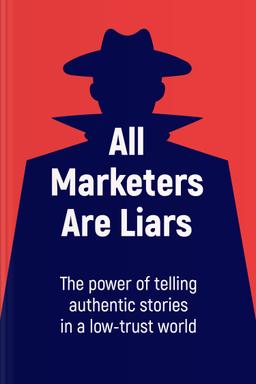
Books on trust expose how professional relationships depend on the stories we believe about each other. 'All Marketers Are Liars' by Seth Godin isn't actually about lying — it's about how people trust narratives that align with their worldview. This approach applies directly to workplace dynamics, where colleagues decide whether to trust you based on the story your actions tell.
You build professional trust through consistency between what you promise and what you deliver. Godin shows that people don't trust coworkers because of credentials or features. They trust the story those things tell about reliability and shared values.
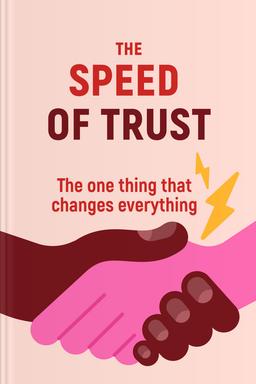
In 'The Speed of Trust,' Stephen M.R. Covey shows that trust is not just a "nice-to-have" but a key business asset that directly impacts productivity and profits. When a team has trust, decisions are made faster, control is reduced, and conflict and bureaucracy disappear.
Covey explains that low trust slows down everything – communication, innovation, even employee enthusiasm. But it can be developed through transparency, consistency, and keeping promises. Covey provides real-life examples of companies that have increased efficiency simply by rebuilding trust between leaders and teams.
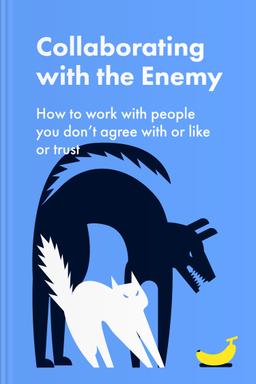
Adam Kahane's 'Collaborating with the Enemy' addresses trust in high-stakes situations where people have opposing interests. He worked with conflicting groups in South Africa during the apartheid era. Kahane discovered that trust doesn't require agreement or even liking each other. You can collaborate productively by establishing shared processes and honoring boundaries. His methods apply to any workplace with high tension where results still matter.
These books share a common thread: trust isn't something you either have or don't have, but a skill you build through deliberate practice and honest communication.

 Self-growth
 Apps & Digital Tools
 Business & Career
 Success
 Growth Tools
 Psychology
 Communication
 Relationships