Self-growth
 Business & Career
 Success
 Communication
 Healing
 Relationships
 Psychology
 Happiness
All the best books on topic
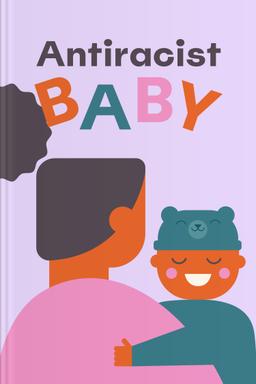
What is Antiracist Baby about?
This engaging children's book introduces the concept of antiracism in a simple and accessible way. Through colorful illustrations and straightforward language, it encourages young readers to recognize and challenge racism, promoting the idea that being an antiracist is an active choice. The book provides actionable steps for children to embrace diversity and stand against prejudice, fostering a sense of empowerment and responsibility in shaping a more inclusive world.
Who should read Antiracist Baby
- Parents looking to raise antiracist children.
- Educators seeking resources on diversity and inclusion.
- Anyone wanting to understand racial justice from childhood.
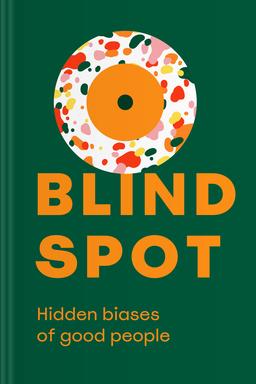
What is Blindspot about?
This insightful exploration delves into the hidden biases that affect our thoughts and actions, often without our awareness. Through compelling research and engaging anecdotes, the authors reveal how these biases influence judgements, decisions, and interactions in various facets of life. By uncovering these unconscious influences, readers can gain awareness and actively work towards overcoming prejudices, fostering a more equitable society.
Who should read Blindspot
- Psychology enthusiasts seeking to understand biases.
- Educators looking to promote inclusivity in schools.
- Corporate leaders aiming to improve workplace diversity.
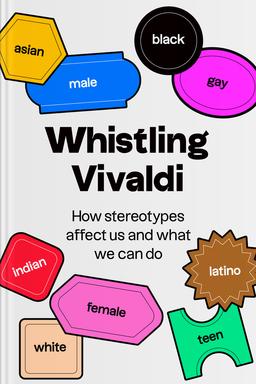
What is Whistling Vivaldi about?
This insightful exploration delves into the impact of stereotypes on individual behavior and identity. By examining social psychology experiments and real-world examples, the author reveals how stereotypes shape perceptions and outcomes in various contexts, particularly in education and performance. The book offers practical strategies to combat stereotype threat and foster a more inclusive environment, emphasizing the power of belief in overcoming societal barriers.
Who should read Whistling Vivaldi
- Students interested in social psychology and identity.
- Educators seeking to understand stereotype impacts.
- Professionals addressing diversity and inclusion issues.
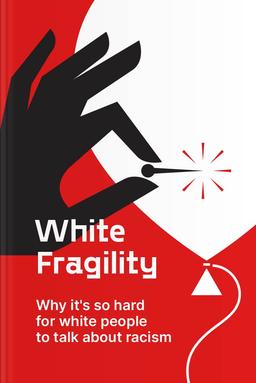
What is White Fragility about?
This book explores the concept of white fragility, examining how white individuals often react defensively when confronted with discussions about race and racism. It delves into the social dynamics that perpetuate racism and encourages self-reflection among white readers. Through personal anecdotes and research, the author invites a deeper understanding of racial tensions and offers insights on how to engage in more meaningful conversations about race.
Who should read White Fragility
- White individuals seeking to understand racial dynamics.
- Educators aiming to address racism in their classrooms.
- Activists working towards racial equality and justice.