russia has launched a full-scale war in Ukraine. Donate to support Ukraine and protect the world’s peace.

5 Best Investing Books for Beginners Who Want Real Results

You're tired of watching your savings lose value to inflation. You know you should invest, but where do you even start? The stock market can feel like a foreign language, and financial advisors often seem to speak in code. 

Here's the truth: the best investing books for beginners don't overwhelm you with jargon. They show you what actually works. Authors like Benjamin Graham and Jill Schlesinger cut through the confusion with practical advice you can use today. These five investing books will teach you to invest with confidence, not fear.

Why the best investing books for beginners focus on behavior, not just numbers

The best investing books for beginners teach you something surprising: your biggest obstacle isn't a lack of knowledge. It's your own brain working against you.

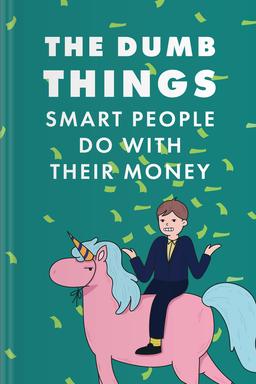
'The Dumb Things Smart People Do with Their Money' by Jill Schlesinger exposes how educated people still make terrible financial decisions. You might have a college degree and a decent job, but you're probably making at least one of the 13 mistakes she outlines. Maybe you're paying too much in fees because you didn't ask questions. Perhaps you're keeping too much cash "just in case" while inflation eats away at your purchasing power.

Benjamin Graham's 'The Intelligent Investor' goes deeper into investor psychology. Graham explains why people panic and sell during market crashes, then buy at the peak when everyone's excited. That behavior destroys wealth. His concept of "Mr. Market" — treating the stock market like an emotional neighbor who offers to buy or sell your shares daily — helps you ignore short-term noise.

The real lesson: successful investing isn't about picking the next Amazon. It's about controlling your emotions when your portfolio drops 20% in a month. These investing books teach you to stay calm, stick to your plan, and avoid the mistakes that cost most beginners thousands of dollars.

What are the best investing books that beginners should read

The best investing books beginners pick up should answer one question: how do I start investing without losing my shirt?

Paul Mladjenovic's 'Stock Investing for Dummies' is a great start for newbies to the world of stocks. It simply explains the basics: what stocks are, how to value companies based on their financial statements, how to build a diversified portfolio, and how to manage risk. Mladjenovic also covers modern topics: investing in ETFs, tax considerations, and promising market segments. This book doesn’t promise “golden stocks,” but it teaches you how to think like an investor: set goals, do your homework, and keep your emotions in check.

Andrew Aziz's 'How to Day Trade for a Living' is a practical guide for those who want to day trade. He explains that trading stocks in one day is not a lottery, but a business with strict risk management.

Aziz draws attention to three key skill sets: choosing the right stocks (the so-called “stocks in play” with high relative volume and catalyst), strict risk management (no more than 2% of capital per trade, a win-to-loss ratio of at least 2:1), and emotional discipline — not letting fear or greed drive your decisions.

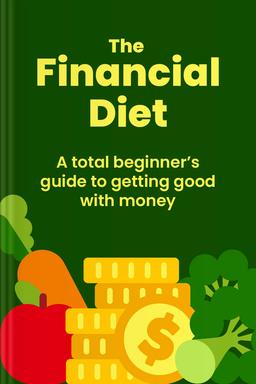
Then there's 'The Financial Diet' by Chelsea Fagan and Lauren Ver Hage. This book resonates with people in their 20s and 30s who struggle with student debt and live from paycheck to paycheck. Fagan doesn't sugarcoat it: your daily coffee habit isn't the problem. Your lack of a system is. The book provides a framework for gradually building wealth, even when starting from scratch.

These investing books for beginners share a common thread. They respect your intelligence while acknowledging you're new to this. They answer the questions you're too embarrassed to ask a financial advisor.

The Dumb Things Smart People Do with Their Money

by Jill Schlesinger

What is The Dumb Things Smart People Do with Their Money about?

This insightful guide delves into the common financial mistakes intelligent individuals often make. It offers practical strategies to recognize and correct these errors, empowering readers to make smarter money decisions. Through relatable anecdotes and expert advice, it highlights thirteen specific pitfalls, encouraging a proactive approach to personal finance. Readers will learn how to transform their financial habits for long-term success and stability.

Who should read The Dumb Things Smart People Do with Their Money

Young professionals seeking financial literacy
Recent graduates navigating student debt
Anyone needing to improve financial decision-making skills

Stock Investing for Dummies

by Paul Mladjenovic

What is Stock Investing for Dummies about?

This comprehensive guide demystifies the stock market, offering practical strategies for beginners to build wealth through investing. It covers essential concepts such as stock analysis, market trends, and portfolio diversification, empowering readers with the confidence to make informed investment decisions. With clear explanations and actionable tips, it serves as an essential resource for anyone looking to navigate the complexities of stock investing.

Who should read Stock Investing for Dummies

Beginner investors seeking foundational stock knowledge.
Individuals wanting to enhance their personal finance skills.
Anyone interested in understanding stock market strategies.

How to Day Trade for a Living

by Andrew Aziz, PhD

What is How to Day Trade for a Living about?

This practical guide offers essential strategies for beginners looking to thrive in day trading. It covers key topics such as trading tools, effective tactics, and crucial money management techniques. Emphasizing the importance of discipline and trading psychology, it helps readers build a solid foundation for making informed trading decisions. With actionable insights and expert advice, this book aims to equip aspiring traders with the skills needed for success.

Who should read How to Day Trade for a Living

Aspiring traders seeking practical trading skills.
Individuals interested in financial independence through day trading.
Students of the stock market looking for expert strategies.

The Intelligent Investor

by Benjamin Graham, Jason Zweig

What is The Intelligent Investor about?

This classic finance book presents timeless principles of value investing, emphasizing the importance of fundamental analysis and the psychological aspects of investing. It guides readers on how to minimize risk while maximizing returns, advocating for a disciplined and rational approach. With insights from market fluctuations and practical advice, it serves as a comprehensive resource for both novice and seasoned investors aiming to cultivate a profitable investment portfolio.

Who should read The Intelligent Investor

Aspiring investors seeking long-term wealth strategies.
Finance students studying investment principles and analysis.
Experienced investors looking to refine value investing techniques.

The Financial Diet

by Chelsea Fagan, Lauren Ver Hage

What is The Financial Diet about?

This practical guide helps beginners navigate the complexities of personal finance with relatable advice and actionable steps. It covers budgeting, saving, investing, and financial planning, all designed to empower readers to take control of their money. Utilizing real-life examples, the authors encourage building sustainable financial habits while debunking common money myths, aiming to foster a healthy and informed relationship with finances.

Who should read The Financial Diet

Young adults starting their financial journey
College students seeking budgeting advice
Individuals wanting to improve their financial literacy

Frequently asked questions on investing books for beginners

What is the best investing book for beginners?

Benjamin Graham's 'The Intelligent Investor' is the best book for beginners because it teaches you to think like an investor, not a gambler. It explains the principle of "margin of safety" — buy below real value, and shows you how to avoid emotional decisions. It is a foundation of financial wisdom that even Warren Buffett values.

What is the 7% rule in investing?

The 7% rule of investing is based on the documented average returns of the stock market, particularly the S&P 500. It means that over the long term, you can expect about 7% annual returns after inflation. This helps you plan your investments: the earlier you begin and the more consistently you invest, the greater the effect of compound interest.

Which book is best for beginners in stock market?

For newbies, an easy introduction to the stock market is 'Stock Investing For Dummies' by Paul Mladjenovich. The author explains how stocks work, as well as exchanges, dividends, risks, portfolios, and much of the practical information needed to select stocks and best develop a portfolio and avoid common mistakes. Overall, the author simplifies the complexity of investing, making it understandable and easy to navigate. 

How to make $1000 a month by investing?

You'd need roughly $300,000 invested at a 4% annual dividend yield to generate $1,000 monthly in passive income. This assumes you reinvest some earnings and choose dividend-paying stocks or funds. Most beginners won't reach this immediately. Start by investing consistently, even if it's $100 monthly, and let compound interest work over the years.

Which book is best for learning about investment?

Benjamin Graham's ‘The Intelligent Investor’ is useful for investing because it teaches you to think strategically, not emotionally. It introduces the principle of "margin of safety" – buying assets below their real value, explains the difference between an investor and a speculator, and also provides a systematic approach to risk assessment and long-term strategies.