Self-growth
 Apps & Digital Tools
 Business & Career
 Success
 Growth Tools
 Psychology
 Communication
 Relationships
All the best books on topic
What is 21 Lessons for the 21st Century about?
This thought-provoking exploration examines the pressing issues of the modern world, such as technology, politics, and climate change. Through a series of insightful essays, it encourages readers to confront the complexities of the current era, from the impact of artificial intelligence on society to the rise of nationalism. By blending history and philosophy, it invites critical reflection on how we can navigate the future effectively.
Who should read 21 Lessons for the 21st Century
- Curious minds seeking insights on modern challenges.
- Students studying contemporary history and society.
- Professionals navigating the complexities of a globalized world.
What is A Brief History of Everything about?
This book offers a comprehensive overview of the evolution of consciousness, weaving together insights from science, philosophy, and spirituality. It explores the interconnectedness of all aspects of existence, tracing the development of human understanding from primitive beliefs to modern theories. Wilber presents a holistic perspective that encourages readers to consider how various elements of existence, including culture and biology, shape our reality and inner lives.
Who should read A Brief History of Everything
- Philosophy enthusiasts seeking a comprehensive worldview.
- Spiritual seekers interested in integral theory and consciousness.
- Students of science exploring the connection between disciplines.
What is Andy Warhol Was A Hoarder about?
This fascinating exploration delves into the lives of renowned historical figures, using the unique lens of their personal habits and quirks. Through engaging narratives and vivid anecdotes, the book reveals how obsessive behaviors and unconventional lifestyles shaped the creativity and legacies of these personalities. It offers insights into the complexities of genius, blending psychology and biography to illustrate the fine line between brilliance and eccentricity.
Who should read Andy Warhol Was A Hoarder
- Art enthusiasts interested in Warhol's eccentricities.
- Psychology fans exploring historical personality traits.
- Readers keen on unique biography perspectives.
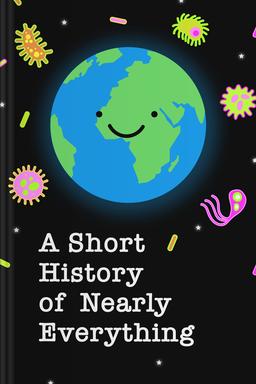
What is A Short History of Nearly Everything about?
This engaging exploration of science takes readers on a journey through the history of the universe, from the Big Bang to modern times. With wit and humor, it simplifies complex concepts in physics, chemistry, biology, and geology, revealing the intriguing stories behind groundbreaking discoveries and the scientists behind them. The narrative highlights the wonders and absurdities of life, making science accessible and entertaining for all.
Who should read A Short History of Nearly Everything
- Curious minds seeking scientific knowledge and humor.
- Lifelong learners interested in earth and universe history.
- Science enthusiasts who enjoy engaging narrative styles.
What is Between the World and Me about?
This powerful letter from a father to his son explores the realities of being Black in America. Through personal anecdotes and historical context, it examines issues of race, identity, and the struggle for justice. Coates delves into the deep-seated racism that permeates American society, while offering insights into the resilience and strength found within the Black community, urging his son to navigate a world filled with systemic oppression.
Who should read Between the World and Me
- Parents seeking to understand race impacts on children.
- Young adults exploring identity in contemporary society.
- Readers interested in racial justice and personal narratives.