Protect the world’s peace. Donate to support Ukraine

30 Eye-Opening Reads About Power and Political Systems

You want to understand how governments actually work — not the textbook version, but the real mechanics of power, control, and influence. Books from our list strip away the polished surface of political systems and show you what's happening behind closed doors. From whistleblowers who risked everything to journalists who exposed corruption, these authors reveal truths that some would prefer stayed hidden.

Mark R. Levin's 'Unfreedom of the Press' exposes media manipulation — Edward Snowden's 'Permanent Record' details mass surveillance. Michael Lewis's 'The Fifth Risk' shows government dysfunction. These aren't abstract theories — they're documented realities that affect your daily life, even when you don't realize it.

Books about government that reveal how power really rules

Books about government discuss the structures of authority, the ways in which decisions are made, and the gap between the rhetoric of governance, control of the state, and real-life consequences.

Your understanding of politics influences how you vote, the policies you support, and your level of trust in institutions. Without this knowledge, you're making decisions based on incomplete information. Books about government provide context that news headlines can't deliver.

'Spy the Lie' by Phil Houston, Michael Floyd, and Susan Carnicero teaches interrogation techniques used by CIA officers. You'll learn to detect deception in political statements. Nicole Perlroth's 'This Is How They Tell Me the World Ends' exposes the cyber weapons market. Governments buy software vulnerabilities instead of fixing them, leaving everyone vulnerable.

'The Power of Russian Propaganda' compiles analysis from Vox, BBC, The New York Times, The Guardian, Vice, Politico, and Radio Liberty. It demonstrates how information warfare operates across borders. You'll recognize tactics being used in your social media feed right now.

These reads don't offer simple answers. They reveal the machinery of modern governance — surveillance systems, propaganda networks, bureaucratic failures, and the individuals who have tried to fix or expose them. Some authors paid serious prices for sharing what they knew.

Books on government and the people who tried to make a difference

Government theory books explain different political systems, but books on government show you specific examples of power in action. They document real cases where officials made choices that affected millions of lives.

Michael Lewis followed federal employees managing nuclear weapons, weather forecasting, and food safety programs. His book 'The Fifth Risk' reveals what happens when experienced civil servants are replaced by political appointees who lack a thorough understanding of their jobs. These aren't abstract concerns — they're about whether your food is safe and your weather forecasts are accurate.

Edward Snowden served as an insider in the NSA's surveillance apparatus. He witnessed the government collecting information about everyday citizens, generally without a warrant or outside monitoring. His autobiography, 'Permanent Record,' describes the systems surveilling your cellular telephone calls, emails, and internet usage in great detail and you will become acquainted with the term 'metadata' in reference to nuclear issues.

Mark R. Levin in 'Unfreedom of the Press' argues that major news organizations coordinate with political interests to shape public opinion. Levin provides specific examples of stories that were buried, promoted, or distorted. Whether you agree with his conclusions or not, his evidence makes you question what you're being told and what's being left out.

Reading these books won't make you cynical — it'll make you informed. You will notice the tactics of manipulation, understand the weaknesses of institutions, and see when politicians are evading questions. This knowledge will allow you to better engage in democracy, hold leaders accountable, and make more informed decisions about who to trust.

Find your next read with a short quiz

All the best books on topic

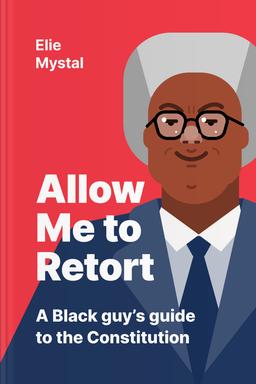
What is Allow Me to Retort about?

This engaging and provocative work explores the U.S. Constitution from a unique perspective, highlighting its historical biases and implications for marginalized communities. The author combines personal anecdotes, legal insights, and humor to challenge conventional interpretations, making a case for understanding the Constitution's impact on race and justice. This guide aims to empower readers to critically engage with America's foundational legal document.

Who should read Allow Me to Retort

  • Readers interested in civil rights and social justice.
  • Fans of constitutional law and legal commentary.
  • Those seeking diverse perspectives on American history.
book

What is A Promised Land about?

This memoir details the early political career and presidency of its author, reflecting on his personal journey, pivotal moments, and the challenges of governing. It offers insights into the complexities of leadership, the intricacies of political life, and the impact of pivotal decisions, infused with personal anecdotes and reflections on race and identity in America. A compelling narrative that captures the essence of hope and change.

Who should read A Promised Land

  • History buffs interested in modern American politics.
  • Fans of inspirational leadership and personal growth stories.
  • Readers exploring the complexities of political identities.
book

Bag Man

by Rachel Maddow, Michael Yarvitz

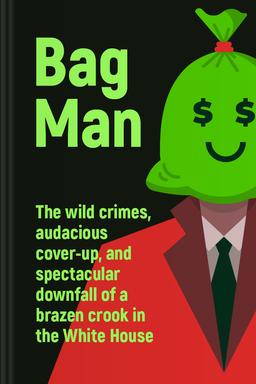
What is Bag Man about?

This gripping narrative uncovers the high-profile scandal involving a corrupt figure in the White House, exploring the audacious crimes, intricate cover-ups, and the eventual unraveling of a political career. Through meticulous research and compelling storytelling, the authors reveal the intricate web of deception and power, illustrating how greed can lead to monumental consequences, while shedding light on broader themes of accountability and justice in the political arena.

Who should read Bag Man

  • Political enthusiasts eager for insider stories.
  • True crime fans fascinated by high-profile scandals.
  • Readers interested in contemporary American politics.
book

What is Between the World and Me about?

This powerful letter from a father to his son explores the realities of being Black in America. Through personal anecdotes and historical context, it examines issues of race, identity, and the struggle for justice. Coates delves into the deep-seated racism that permeates American society, while offering insights into the resilience and strength found within the Black community, urging his son to navigate a world filled with systemic oppression.

Who should read Between the World and Me

  • Parents seeking to understand race impacts on children.
  • Young adults exploring identity in contemporary society.
  • Readers interested in racial justice and personal narratives.
book

Frequently asked questions on books about government

Which book is best for a government job?

'The Fifth Discipline' by Peter Senge is recommended for those working on reforms or changes within the system. Senge teaches how to transform a company or government structure into a "learning organization" — one where people don't just follow orders, but think systematically.

What are the 5 types of government?

There are five main types of government: democracy, where the people elect the government; republic, where representatives make decisions; monarchy, where a king or queen rules; oligarchy, where power is concentrated in the hands of a few; and totalitarianism, where the state controls everything, even the thoughts of its citizens.

What are the best books on political science?

Political science should start with the classics: 'The Republic' by Plato discusses the ideal state, 'The Prince' by Machiavelli focuses on real politics and power, and 'On Liberty' by John Stuart Mill emphasises individual freedom. In the modern context, it is appropriate to include Acemoglu and Robinson's 'Why Nations Fail' and Arendt's 'The Origins of Totalitarianism', which both address power, society, and the constraints of freedom.

What is the best book about the US Constitution?

The most famous book about the American Constitution is 'The Federalist Papers' (18th century) by Alexander Hamilton, James Madison, and John Jay. The authors explain the principles of the US Constitution, reveal the system of checks and balances, and argue why the new form of government would ensure stability and freedom.

What are 5 books everyone should read?

Everyone should read books that help them understand themselves and the world: George Orwell's '1984' about power and control, 'Animal Farm' about political allegory, Covey's 'The 7 Habits of Highly Effective People' about personal effectiveness, Kahneman's 'Thinking, Fast and Slow' about thinking, and Yuval Noah Harari's 'Sapiens' about human history.