Self-growth
 Apps & Digital Tools
 Business & Career
 Success
 Growth Tools
 Psychology
 Communication
 Relationships
All the best books on topic
What is A Short History of Nearly Everything about?
This engaging exploration of science takes readers on a journey through the history of the universe, from the Big Bang to modern times. With wit and humor, it simplifies complex concepts in physics, chemistry, biology, and geology, revealing the intriguing stories behind groundbreaking discoveries and the scientists behind them. The narrative highlights the wonders and absurdities of life, making science accessible and entertaining for all.
Who should read A Short History of Nearly Everything
- Curious minds seeking scientific knowledge and humor.
- Lifelong learners interested in earth and universe history.
- Science enthusiasts who enjoy engaging narrative styles.
What is Four Hundred Souls about?
This collective narrative spans 400 years of African American history, presenting the experiences of both notable figures and everyday individuals. Structured as a series of essays, it explores themes of resilience, resistance, and community. Contributors from various backgrounds reflect on pivotal moments and movements, revealing the complex tapestry of African American life, culture, and identity while emphasizing the ongoing struggle for justice and equality.
Who should read Four Hundred Souls
- History enthusiasts seeking diverse perspectives
- Students studying African American history
- Readers interested in social justice and equity
What is Guns, Germs, and Steel about?
This acclaimed work explores the factors that shaped the modern world, examining how geographic and environmental variables influenced the development of civilizations. Through a multidisciplinary lens, it addresses the rise of technology, the spread of diseases, and the impact of agriculture. By uncovering the roots of inequality among societies, it challenges traditional narratives about race and culture, offering a profound understanding of human history and its complexities.
Who should read Guns, Germs, and Steel
- History enthusiasts seeking insights into societal development.
- Students studying geography and anthropology in academia.
- Readers interested in the impact of environment on civilizations.
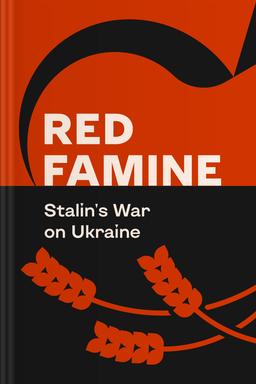
What is Red Famine about?
This gripping historical account explores the devastating man-made famine in Ukraine during the early 1930s, orchestrated by the Soviet regime under Stalin. It examines the political motives behind the famine, the suffering endured by millions, and the long-term impacts on Ukrainian society and identity. Through meticulous research and personal narratives, the book reveals a dark chapter of history marked by oppression, resilience, and the struggle for survival.
Who should read Red Famine
- History enthusiasts seeking to understand Soviet policies.
- Students studying 20th-century Eastern European history.
- Readers interested in human rights and governmental oppression.
What is Soccernomics (2022 World Cup Edition) about?
This insightful analysis delves into the economics and sociology of soccer, exploring why European men and American women excel in the sport while billionaire owners often falter. Through data-driven arguments and rich anecdotes, the authors challenge conventional wisdom about success in soccer, uncovering the hidden factors that shape outcomes in the game. Ideal for fans and analysts alike, it provides a fresh perspective on the world of soccer ahead of the 2022 World Cup.
Who should read Soccernomics (2022 World Cup Edition)
- Soccer enthusiasts seeking deeper economic insights.
- Sports economists analyzing gender differences in sports success.
- Investors interested in the business of soccer.