Self-growth
 Apps & Digital Tools
 Business & Career
 Success
 Growth Tools
 Psychology
 Communication
 Relationships
All the best books on topic
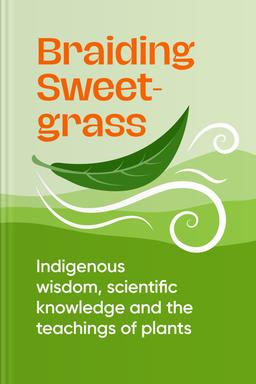
What is Braiding Sweetgrass about?
This book intertwines Indigenous wisdom with scientific knowledge, exploring the relationship between humans and the natural world. Through personal anecdotes and cultural teachings, it emphasizes the importance of plants and nature in our lives. The author, a botanist and member of the Citizen Potawatomi Nation, advocates for a reciprocal relationship with the environment, highlighting lessons that can be learned from plants and their roles in our ecosystem.
Who should read Braiding Sweetgrass
- Nature enthusiasts seeking deeper connections with plants.
- Environmentalists interested in Indigenous knowledge and practices.
- Readers curious about the intersection of science and spirituality.
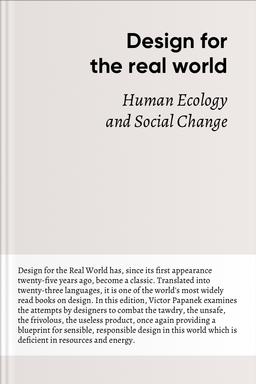
What is Design for the Real World about?
This influential work examines the relationship between design, social responsibility, and environmental sustainability. It critiques consumerism and advocates for design that prioritizes human needs and ecological health. Through various case studies, the author challenges designers to create products that are both functional and socially beneficial, urging them to consider the broader impact of their work on society and the planet.
Who should read Design for the Real World
- Design students seeking sustainable solutions.
- Activists focused on environmental and social justice.
- Professionals in product design and development.
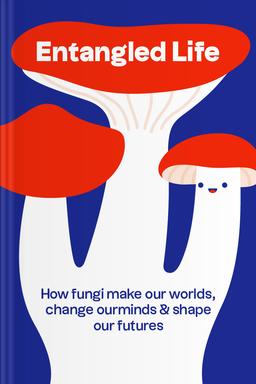
What is Entangled Life about?
This enlightening exploration delves into the intricate world of fungi, revealing their vital role in ecosystems and human life. The work combines science, history, and personal anecdotes to illustrate how fungi influence our environment, health, and perception. Through compelling narratives, it challenges readers to reconsider their relationship with the natural world and emphasizes the interconnectedness of all life forms, showcasing fungi as essential architects of life.
Who should read Entangled Life
- Nature enthusiasts exploring the secret lives of fungi.
- Science lovers interested in interconnected ecosystems.
- Readers seeking inspiration from nature's hidden networks.
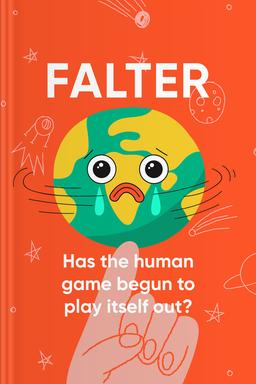
What is Falter about?
This thought-provoking book explores the dire consequences of climate change and human activity on the planet. It examines the interplay between technology, economics, and the environment, questioning whether humanity is steering its own course towards disaster. McKibben challenges readers to confront the impending crisis and consider the choices that lie ahead, urging a reevaluation of our relationship with nature before it's too late.
Who should read Falter
- Environmental activists concerned about climate change
- Philosophers exploring human existence and futures
- General readers interested in sustainability and ecology
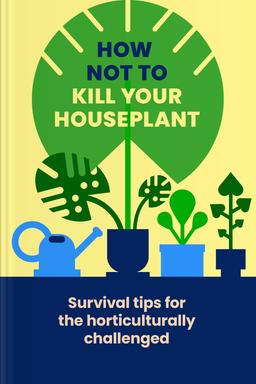
What is How Not to Kill Your Houseplant about?
This practical guide offers essential tips for nurturing your houseplants, targeting those who struggle with plant care. It covers common pitfalls and provides solutions to help even the most horticulturally challenged individuals keep their greenery thriving. With straightforward advice, troubleshooting guidance, and easy-to-follow instructions, this book empowers readers to transform their homes into vibrant plant-filled spaces without the fear of killing their leafy companions.
Who should read How Not to Kill Your Houseplant
- Beginner plant owners seeking green thumb advice.
- Busy individuals wanting low-maintenance houseplant solutions.
- Anyone struggling with houseplants and seeking easy tips.