russia has launched a full-scale war in Ukraine. Donate to support Ukraine and protect the world’s peace.

13 Best Crisis Management Books for Leaders Under Pressure

When disaster strikes, you don't get time to think. Your team looks to you for answers, and guessing won't cut it. The best crisis management books teach you what actually works when everything's falling apart — not theory from consultants who've never faced real pressure. 

Michael Lewis and Gen. Stanley McChrystal writes from experience: government failures, pandemic responses, battlefield decisions. These 13 books show you how leaders stayed calm, made tough calls, and brought their organizations through the worst moments intact.

Crisis management books that prepare you for the unexpected

Crisis management books give you a playbook before you need one. Andrew S. Grove's 'Only the Paranoid Survive' explains why companies that survive disruption see threats coming before their competitors do. Grove ran Intel through technology shifts that killed other firms. He didn't have a crystal ball — he had a system for detecting change early.

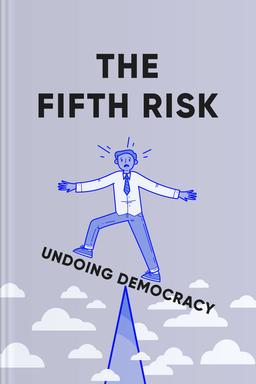
Michael Lewis's 'The Fifth Risk' reveals what happens when governments ignore warnings. Lewis profiles civil servants who track hurricanes, nuclear materials, and food safety. When new administrations dismiss these experts, disasters follow. The book shows that preparation matters more than crisis response. You can't fix problems you refused to see coming.

W. Edwards Deming's 'Out of the Crisis' applies this thinking to business. This book shows that crisis management is not about "putting out fires," but about building a system in which fires occur less often. Deming puts it simply, but he hits the nail on the head: most crises are not accidents, but the result of poor processes. He emphasizes that leaders need to blame people less and work more on the system.

These books share a common theme: successful crisis management begins long before the emergency. You need warning systems, clear decision-making processes, and teams that trust each other. When chaos hits, there's no time to figure out who's in charge.

Books on crisis management that transform how you lead under pressure

Books on crisis management reveal how leaders think when there's no good option. Gen. Stanley McChrystal's 'Team of Teams' describes how the US military adapted to fighting Al Qaeda in Iraq. Traditional command structures moved too slowly — by the time orders reached soldiers, the situation had changed. McChrystal flattened his organization, shared information widely, and let teams make decisions without waiting for approval.

Nicholas A. Christakis's 'Apollo's Arrow' analyzes the COVID-19 pandemic through the lens of epidemic history. Christakis, an epidemiologist, explains why societies repeat the same mistakes during outbreaks: panic buying, scapegoating, and early relaxation of restrictions. He documents what worked in 1918 and what failed in 2020. The patterns are predictable if you know where to look.

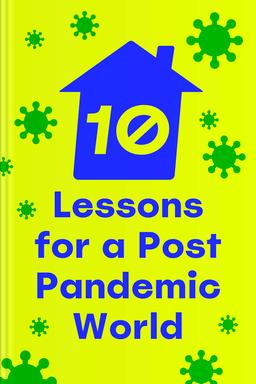
Fareed Zakaria's 'Ten Lessons for a Post-Pandemic World' connects pandemic response to broader trends in politics and economics. Zakaria examines why some countries contained the virus while others struggled. The difference wasn't resources — it was trust. Citizens who believed their governments would help them followed public health guidance. Where trust had eroded, compliance collapsed.

Doris Kearns Goodwin's 'Leadership' profiles four US presidents during their worst moments: Lincoln during the Civil War, Theodore Roosevelt after a deadly mine disaster, Franklin Roosevelt during the Depression, and Lyndon Johnson after Kennedy's assassination. Goodwin identifies common traits: they acknowledged the severity of problems, communicated directly with the public, and took responsibility for outcomes. No spinning, no blame-shifting.

These books teach you to see crises differently. They're not interruptions to normal operations — they're tests of whether your organization can adapt faster than the problem evolves.

The Fifth Risk

by Michael Lewis

What is The Fifth Risk about?

This insightful exploration delves into the critical risks that arise from neglecting government functions and the impact on democracy. It reveals how the transition of power can lead to a lack of understanding and management of crucial governmental roles, such as disaster response, nuclear security, and data management. Through compelling narratives, it emphasizes the importance of informed leadership and the perilous consequences of ignorance in governance.

Who should read The Fifth Risk

Political enthusiasts looking to understand governance challenges.
Readers interested in democratic accountability and transparency issues.
Citizens concerned about the impact of leadership on society.

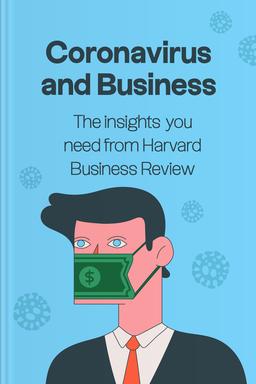
Coronavirus and Business

by Harvard Business Review

What is Coronavirus and Business about?

This book offers essential insights on navigating the challenges posed by the Coronavirus pandemic for businesses. It compiles expert analyses and practical strategies from Harvard Business Review to help leaders adapt to rapid changes, manage workforce dynamics, and rethink customer engagement during crises. Filled with case studies and actionable guidance, it serves as a vital resource for organizations aiming to sustain success in an uncertain economic landscape.

Who should read Coronavirus and Business

Business leaders seeking pandemic strategies.
Entrepreneurs navigating post-COVID challenges.
Professionals interested in economic recovery insights.

Ten Lessons for a Post-Pandemic World

by Fareed Zakaria, PhD

What is Ten Lessons for a Post-Pandemic World about?

This book explores how the COVID-19 pandemic has reshaped societies, economies, and politics, offering crucial insights for a changing world. The author discusses ten key lessons learned, emphasizing the importance of resilience, global cooperation, and the re-evaluation of priorities in various fields including health, technology, and governance. Through historical context and contemporary analysis, it provides a framework for navigating the challenges and opportunities that lie ahead.

Who should read Ten Lessons for a Post-Pandemic World

Curious minds seeking insights post-COVID-19.
Policy makers looking for future guidance.
Readers interested in global trends and shifts.

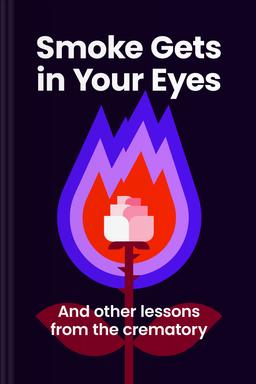
Smoke Gets in Your Eyes

by Caitlin Doughty

What is Smoke Gets in Your Eyes about?

This candid memoir explores the author's experiences working in a crematory, shedding light on death and the funeral industry with wit and honesty. It blends personal anecdotes with historical insights about cremation and societal attitudes towards death, encouraging readers to confront their own fears while challenging taboos. The book serves as both an education on death practices and a call to embrace the fragility of life.

Who should read Smoke Gets in Your Eyes

Readers interested in death and the afterlife.
Fans of dark humor and memoirs
Those contemplating mortality and funeral practices.

Out of the Crisis

by W. Edwards Deming

What is Out of the Crisis about?

This book presents a revolutionary management philosophy based on quality improvement and statistical analysis, advocating for a systemic approach to organizational challenges. It emphasizes the importance of understanding processes and focusing on long-term results rather than short-term profits. Through practical insights and real-world examples, it offers strategies for transforming businesses and achieving excellence while fostering a culture of continuous improvement.

Who should read Out of the Crisis

Business leaders seeking operational excellence.
Quality management professionals aiming for process improvement.
Students studying management principles and practices.

Leadership

by Doris Kearns Goodwin, PhD

What is Leadership about?

This insightful work explores the qualities and decisions of four U.S. presidents during periods of crisis. Through detailed historical analysis and vivid storytelling, the author examines how each leader navigated challenges, showcasing the importance of resilience, empathy, and vision. Readers will gain a deeper understanding of leadership dynamics and the enduring impact of personal character in shaping history during turbulent moments.

Who should read Leadership

Aspiring leaders seeking historical insights.
Students of history studying leadership under pressure.
Professionals navigating change in their organizations.

The Future We Choose

by Christiana Figueres, Tom Rivett-Carnac

What is The Future We Choose about?

This compelling read outlines the urgent need for action against climate change, presenting a blueprint for a sustainable future. The authors, key figures in global climate negotiations, explore the choices we face and advocate for collective responsibility in combating environmental degradation. Through engaging insights and practical strategies, the book emphasizes hope and resilience, urging readers to envision and work towards a livable planet for future generations.

Who should read The Future We Choose

Environmental activists seeking practical solutions.
Students studying climate change and sustainability.
Policy makers interested in climate action strategies.

Only the Paranoid Survive

by Andrew S. Grove

What is Only the Paranoid Survive about?

This insightful guide explores the critical moments every company faces and how leaders can transform crises into opportunities. Drawing on personal experiences and industry knowledge, the author emphasizes the importance of vigilance in navigating competitive markets. With practical strategies and real-world examples, the book teaches executives how to anticipate challenges, adapt quickly, and maintain a proactive mindset to ensure long-term success in a rapidly changing business landscape.

Who should read Only the Paranoid Survive

Business leaders navigating challenging market dynamics.
Entrepreneurs seeking strategies for crisis management.
Students studying business resilience and leadership tactics.

The Rome Plague Diaries

by Matthew Kneale

What is The Rome Plague Diaries about?

Set against the backdrop of the COVID-19 pandemic, this compelling narrative reveals life in Rome during lockdown. Through personal anecdotes and vivid descriptions, it captures the profound challenges, cultural shifts, and moments of resilience faced by residents. The author intertwines historical reflection with contemporary experiences, offering a unique insight into how an ancient city coped with modern adversity, blending humor, sorrow, and humanity in extraordinary times.

Who should read The Rome Plague Diaries

History enthusiasts interested in pandemic impact
Travel lovers longing for Rome's cultural insights
Readers seeking personal stories of resilience during crises

Apollo's Arrow

by Nicholas A. Christakis, PhD

What is Apollo's Arrow about?

This insightful exploration delves into the far-reaching effects of the coronavirus pandemic on society, culture, and human behavior. Drawing on history, sociology, and epidemiology, it examines how the virus reshapes social interactions, governance, and our collective psyche. Through compelling analysis, it reveals the enduring changes that may redefine our lives long after the pandemic subsides, urging readers to reconsider the future of human connection and community.

Who should read Apollo's Arrow

Public health professionals seeking deeper insights.
Students of sociology and public health.
General readers interested in pandemic effects.

Frequently asked questions on crisis management books

What are the 5 C's of crisis management?

The 5 C's are command, communication, coordination, control, and care. Command sets who makes decisions. Communication keeps everyone informed. Coordination prevents teams from working against each other. Control maintains order without rigidity. Care addresses the human impact of the crisis on your team and stakeholders.

What is the 15 20 60 90 rule?

The 15 20 60 90 rule breaks crisis response into time blocks: 15 minutes to assess and secure immediate safety, 20 minutes to notify key stakeholders, 60 minutes to implement initial response actions, and 90 minutes to brief leadership on status and next steps. This framework prevents paralysis during the critical first hours.

What are the 5 P's of crisis management?

The 5 P's stand for predict, prevent, prepare, perform, and post-crisis review. Predict identifies potential threats. Prevention reduces their likelihood. Prepare builds response capacity. Execute your plan during the crisis. Post-crisis review captures lessons to improve future responses.

What are the 4 C's of crisis management?

The 4 C's are concern, commitment, competency, and credibility. Demonstrate concern for those affected. Demonstrate commitment to solving the problem. Prove competency through effective action. Maintain credibility by being honest about what you know and don't know.