russia has launched a full-scale war in Ukraine. Donate to support Ukraine and protect the world’s peace.

16 Best Biology Reads for Enriching Your Knowledge

Biology, the study of living organisms and their interactions, is crucial for understanding the world around us and the processes that govern life. Our curated list of the top biology books provides valuable insights into various aspects of this fascinating field, from genetics to ecology.

Explore this carefully chosen collection to expand your knowledge, gain fresh perspectives, and stay informed on the latest advancements in biology. Enhance your expertise and impact your academic or professional pursuits by delving into these recommended reads. Start your journey towards a deeper understanding of biology today with our comprehensive book list.

Immunity

by Dr. Jenna Macciochi

What is Immunity about?

This comprehensive guide explores the intricate workings of the immune system and offers practical advice on how to enhance its functioning. Combining the latest scientific research with accessible insights, it covers nutrition, lifestyle choices, and mental well-being, empowering readers to take control of their health. With a focus on preventative measures and holistic approaches, it aims to educate and inspire readers to prioritize their immune health.

Who should read Immunity

Health-conscious individuals seeking to boost immunity.
Parents looking for ways to support their children's health.
Those interested in the science behind immune function.
Outlive

by Peter Attia, MD

What is Outlive about?

Exploring the intricacies of aging, this insightful guide combines science and personal anecdotes to offer strategies for extending lifespan and enhancing health. It delves into nutrition, exercise, and mental wellbeing, empowering readers to take control of their longevity journey. Attia emphasizes a proactive approach to living longer and better, blending medical expertise with practical advice to challenge conventional views on aging.

Who should read Outlive

Health enthusiasts seeking longevity insights.
Fitness professionals wanting to improve client wellness.
Anyone curious about living a longer, healthier life.
Immune

by Philipp Dettmer

What is Immune about?

This enlightening exploration delves into the human immune system, revealing its complexities in a relatable way. Through engaging storytelling, the author breaks down intricate biological processes and the immune response, illustrating how our bodies fend off diseases. With a blend of science and narrative, the book encourages readers to appreciate the extraordinary defense mechanisms keeping us alive, empowering them with knowledge about health and well-being.

Who should read Immune

Health enthusiasts seeking to understand immunity
Students eager to learn about the immune system
Curious readers interested in biology and science
Entangled Life

by Merlin Sheldrake

What is Entangled Life about?

This enlightening exploration delves into the intricate world of fungi, revealing their vital role in ecosystems and human life. The work combines science, history, and personal anecdotes to illustrate how fungi influence our environment, health, and perception. Through compelling narratives, it challenges readers to reconsider their relationship with the natural world and emphasizes the interconnectedness of all life forms, showcasing fungi as essential architects of life.

Who should read Entangled Life

Nature enthusiasts exploring the secret lives of fungi.
Science lovers interested in interconnected ecosystems.
Readers seeking inspiration from nature's hidden networks.
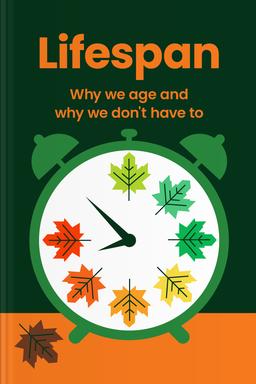
Lifespan

by David A. Sinclair, PhD

What is Lifespan about?

This groundbreaking work explores the science of aging and presents compelling arguments and research on how we can extend our lifespan. The author delves into genetic, nutritional, and lifestyle factors that influence aging, offering practical insights on how to enhance health and vitality. With a blend of scientific rigor and accessible writing, the book challenges conventional beliefs about aging and presents a hopeful vision for the future of human longevity.

Who should read Lifespan

Health enthusiasts seeking to extend their lifespan.
Scientists exploring aging and longevity research.
General readers interested in health and wellness advancements.
The Gene

by Siddhartha Mukherjee

What is The Gene about?

This book explores the history and significance of the gene, weaving together science, personal narrative, and historical anecdotes. The author delves into genetics' complex role in defining who we are, tracing its development from early theories to modern advancements. Through engaging stories, it discusses the ethical implications and future of genetic research, making it a profound reflection on heredity, identity, and the ongoing quest to understand life itself.

Who should read The Gene

Genetics enthusiasts seeking a deeper understanding.
History lovers interested in the evolution of science.
Medical professionals wanting insights into genetic research.

Deadliest Enemy

by Michael T. Osterholm, Mark Olshaker

What is Deadliest Enemy about?

This gripping exploration delves into the threat of infectious diseases and their potential to unleash pandemics. Through compelling narratives and scientific insights, it underscores the vulnerabilities of modern society to killer germs. The authors examine historical outbreaks and the urgent need for preparedness, urging readers to understand the risks posed by emerging pathogens in a globalized world. A call to action for better public health responses against unseen enemies.

Who should read Deadliest Enemy

Public health professionals seeking pathogen insight.
Health enthusiasts interested in infectious disease prevention.
Readers curious about global health threats and response.

The Body

by Bill Bryson

What is The Body about?

This engaging exploration delves into the intricacies of the human body, blending rich scientific insight with Bryson's trademark humor. It reveals the fascinating functions of our organs and systems, interspersed with historical anecdotes and intriguing facts. From the brain's complexities to the body's resilience, this book invites readers on a captivating journey through anatomy and physiology, making science accessible and entertaining.

Who should read The Body

Health enthusiasts seeking engaging medical insights.
Curious readers interested in human anatomy explanations.
Fans of humorous writing and science exploration.

The Hidden Life of Trees

by Peter Wohlleben

What is The Hidden Life of Trees about?

This enlightening exploration reveals the complex social networks of trees and their ability to communicate, share resources, and support one another in the forest ecosystem. Drawing on scientific research and rich anecdotes, it unveils the hidden interactions and emotional life of trees, challenging our understanding of nature. Readers will gain insight into how forests function as interconnected communities, ultimately changing the way we perceive and value these vital organisms.

Who should read The Hidden Life of Trees

Nature enthusiasts seeking deeper ecological understanding.
Students studying environmental science or forestry discipline.
Readers interested in plant communication and emotional intelligence.

A Short History of Nearly Everything

by Bill Bryson

What is A Short History of Nearly Everything about?

This engaging exploration of science takes readers on a journey through the history of the universe, from the Big Bang to modern times. With wit and humor, it simplifies complex concepts in physics, chemistry, biology, and geology, revealing the intriguing stories behind groundbreaking discoveries and the scientists behind them. The narrative highlights the wonders and absurdities of life, making science accessible and entertaining for all.

Who should read A Short History of Nearly Everything

Curious minds seeking scientific knowledge and humor.
Lifelong learners interested in earth and universe history.
Science enthusiasts who enjoy engaging narrative styles.

Why Zebras Don't Get Ulcers

by Robert M. Sapolsky, PhD

What is Why Zebras Don't Get Ulcers about?

This insightful book explores the link between stress and health, specifically the impact chronic stress can have on both physical and mental well-being. Drawing on scientific research and engaging anecdotes, it explains why animals, like zebras, do not suffer from stress-related illnesses and contrasts this with human experiences. The author offers practical advice for managing stress and highlights the importance of understanding our body's response to it.

Who should read Why Zebras Don't Get Ulcers

Stress management enthusiasts seeking scientific insights.
Health professionals interested in stress-related behaviors.
General readers curious about human and animal psychology.

Behave

by Robert M. Sapolsky, PhD

What is Behave about?

This insightful exploration delves into the biological and environmental influences on human behavior, examining the intricacies of how we react at our best and worst. Drawing on neuroscience, psychology, and sociology, the text reveals the interplay of genes, hormones, and culture in shaping actions and decisions. Through engaging narratives, the author challenges readers to understand the complexities of morality, aggression, and compassion in the human experience.

Who should read Behave

Psychology enthusiasts seeking to understand human behavior.
Students studying biology and neuroscience concepts.
Readers interested in the nature of morality.

Silent Spring

by Rachel Carson

What is Silent Spring about?

This groundbreaking work exposes the dangers of pesticides and their devastating impact on the environment, particularly on birds and ecosystems. Through meticulous research and compelling narratives, the author argues for the protection of nature and advocates for ecological awareness. It highlights the interconnectedness of life and the consequences of human actions on the planet, ultimately igniting a movement for environmental conservation and awareness.

Who should read Silent Spring

Environmental activists seeking inspiration and knowledge.
Students studying environmental science and ecology.
Nature enthusiasts passionate about conservation and wildlife.

The Sixth Extinction

by Elizabeth Kolbert

What is The Sixth Extinction about?

This gripping work explores the ongoing mass extinction caused by human activity, detailing how our species impacts biodiversity and the fragile ecosystems around the globe. Through a blend of scientific research and compelling storytelling, it examines various species facing extinction, the historical context of past extinction events, and the urgency of addressing environmental issues. A profound reflection on humanity's role in altering the planet's natural course.

Who should read The Sixth Extinction

Environmentalists seeking to understand biodiversity loss.
Students studying climate change and its effects.
General readers interested in science and nature.

The Immortal Life of Henrietta Lacks

by Rebecca Skloot

What is The Immortal Life of Henrietta Lacks about?

This narrative intertwines the life of Henrietta Lacks, an African American woman whose cancer cells were taken without her consent, with the ethical implications of medical research. It explores the profound impact her cells, known as HeLa, had on science and the human lives intertwined in her story, raising important questions about race, ethics, and the intersection of medical advancements with social justice.

Who should read The Immortal Life of Henrietta Lacks

Bioethics students and professionals
Readers interested in scientific history
Fans of compelling personal narratives

The Selfish Gene

by Richard Dawkins

What is The Selfish Gene about?

This thought-provoking work explores the concept of evolution from the perspective of genes, proposing that they are the fundamental units of natural selection. Through compelling arguments and engaging examples, it examines how genes influence behavior and social structures, challenging traditional views of altruism and competition. Dawkins introduces the idea of the 'selfish gene' as a driving force behind evolutionary change, reshaping our understanding of biology and human nature.

Who should read The Selfish Gene

Biology students eager to understand evolution.
Readers interested in genetics and natural selection.
Philosophers contemplating the implications of evolution.